Discovering Kaiseki: Japan’s Most Refined Culinary Art
Few dining experiences capture the soul of Japanese culture quite like kaiseki, the multi-course tasting menu tradition that transforms a meal into a meditation on seasonality, balance, and artistry. In Tokyo, a city boasting more Michelin stars than any other in the world, kaiseki reaches its most exquisite expression. Whether you’re a first-time visitor or a seasoned Japan traveler, understanding kaiseki and knowing where to experience it at Michelin-starred restaurants will elevate your trip into something unforgettable.
What Exactly Is Kaiseki?
Kaiseki is a traditional multi-course Japanese dinner that evolved from the tea ceremony’s simple meal accompaniment into an elaborate culinary performance. Unlike a la carte dining, kaiseki follows a prescribed sequence of small, beautifully plated dishes, each highlighting a specific cooking technique: simmering, grilling, steaming, frying, and serving raw. The philosophy centers on five key elements: five colors, five tastes, five cooking methods, and a deep reverence for the season’s freshest ingredients.
A typical kaiseki course might include an appetizer (sakizuke), a clear soup (suimono), sashimi (otsukuri), a grilled dish (yakimono), a simmered dish (nimono), a steamed course (mushimono), a vinegared dish (sunomono), rice with pickles (shokuji), and a seasonal dessert (mizumono). The order and presentation are as important as the flavors themselves, with each dish served on carefully chosen tableware that reflects the time of year.
Why Tokyo Is the Epicenter of Michelin-Starred Kaiseki
Tokyo consistently ranks as one of the most awarded cities in the Michelin Guide, with dozens of restaurants earning one, two, or three stars for their kaiseki offerings. This concentration of excellence stems from several factors: access to Japan’s finest seasonal ingredients from Tsukiji and Toyosu markets, generations of culinary training passed down through apprenticeships, and an uncompromising dedication to craftsmanship that defines Japanese hospitality, or omotenashi.
Dining at a Michelin-starred kaiseki restaurant in Tokyo is not simply about eating; it’s about witnessing decades of mastery condensed into a few hours. Chefs often spend years perfecting a single technique, such as the precise temperature for dashi broth or the ideal knife angle for slicing fish.
What to Expect at a Michelin Kaiseki Restaurant
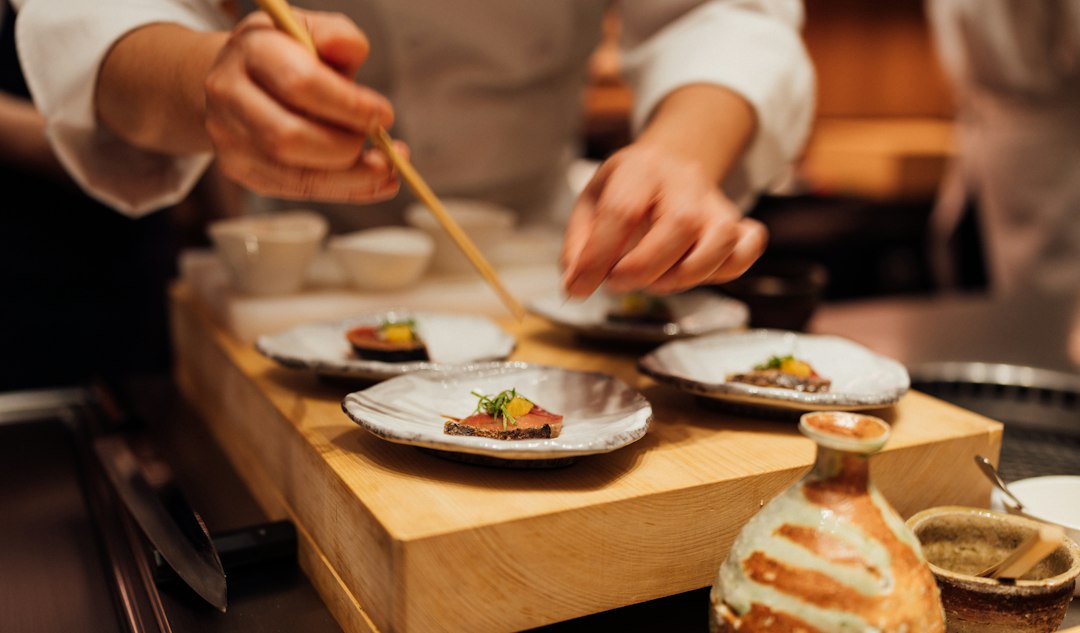
- Intimate seating, often limited to counter seats facing the chef, allowing diners to watch the preparation up close
- A fixed, seasonal tasting menu with little to no customization, reflecting the chef’s vision for that particular day
- Exceptional attention to tableware, with ceramics, lacquerware, and glass chosen to complement each dish and season
- A slower pace of dining, typically spanning two to three hours, encouraging mindfulness and conversation
- Premium pricing, often reflecting rare ingredients, meticulous sourcing, and the chef’s reputation
How to Choose the Right Kaiseki Restaurant for You
With so many Michelin-starred options scattered across Tokyo’s neighborhoods, from Ginza to Roppongi to Nihonbashi, choosing the right restaurant can feel overwhelming. Consider the following factors when making your decision.
Budget and Course Structure
Kaiseki dinners can range from moderately priced lunch tasting menus to extraordinarily exclusive dinner courses reserved months in advance. Lunch kaiseki is often a more accessible way to experience a renowned chef’s cooking without the premium dinner price tag, making it a smart choice for travelers wanting a taste of luxury dining on a reasonable budget.
Specialization
Some Michelin-starred kaiseki restaurants specialize in particular ingredients or techniques, such as charcoal grilling, tempura-style frying incorporated into a kaiseki format, or an emphasis on vegetables and tofu for a more delicate, plant-forward experience. Research the chef’s background and signature dishes to find a restaurant that aligns with your personal taste preferences.
Atmosphere and Setting
Traditional kaiseki restaurants often occupy machiya-style townhouses or minimalist modern spaces with tatami rooms, private dining areas, or intimate counters. Decide whether you prefer a more formal, ceremonial atmosphere or a casual counter experience where you can chat directly with the chef.
Booking Tips for Michelin-Starred Kaiseki in Tokyo
Securing a reservation at a top-tier kaiseki restaurant requires planning and patience. Many of Tokyo’s most celebrated establishments accept reservations only a few months in advance, and some require introductions from existing guests or hotel concierges.
- Book as early as possible, ideally two to three months before your trip, especially for dinner service
- Consider using a concierge service or your hotel’s front desk, as some restaurants are more responsive to local inquiries
- Be prepared to provide dietary restrictions well in advance, since kaiseki menus are highly structured and difficult to modify last minute
- Arrive on time, as punctuality is deeply respected in Japanese dining culture
- Dress neatly; while not always formal, smart casual attire is appropriate for most upscale establishments
Etiquette Tips for Enjoying Your Kaiseki Experience
To fully appreciate your meal and show respect for the chef’s craft, keep a few etiquette points in mind. Avoid wearing strong perfume, which can interfere with the delicate aromas of the dishes. Try to eat each course relatively soon after it’s served, as temperature and timing are integral to the dish’s design. It’s also customary to express appreciation to the chef, especially at counter-style restaurants where you can speak directly with them throughout the meal.
Photography is often welcomed, but it’s polite to ask before taking pictures, particularly in smaller, more traditional establishments where other guests may value privacy and tranquility.
Beyond the Stars: Appreciating the Experience
While Michelin stars offer a helpful guide to quality and consistency, the true magic of kaiseki lies in its ability to tell a story through food. Each course reflects the season, the region, and the chef’s personal philosophy. A spring kaiseki might showcase delicate bamboo shoots and cherry blossom motifs, while an autumn menu highlights matsutake mushrooms and vibrant maple-leaf garnishes. This ever-changing nature means that even repeat visits to the same restaurant offer entirely new experiences throughout the year.
For travelers seeking a deeper understanding of Japanese culture, a Michelin-starred kaiseki dinner in Tokyo is far more than a meal: it’s an immersive cultural experience that engages all the senses. From the visual artistry of the plating to the subtle complexity of dashi-based broths, every element is designed to create a lasting impression.
Final Thoughts
Tokyo’s wealth of Michelin-starred kaiseki restaurants offers an unparalleled opportunity to experience Japan’s culinary heritage at its finest. By understanding the structure and philosophy behind kaiseki, planning your reservations well in advance, and approaching the meal with curiosity and respect, you’ll unlock one of the most memorable aspects of travel in Japan. Whether you choose a legendary three-star institution or a quieter single-star gem, a kaiseki tasting menu in Tokyo promises an evening of beauty, precision, and unforgettable flavor.
Photo by Lucas Law on Unsplash