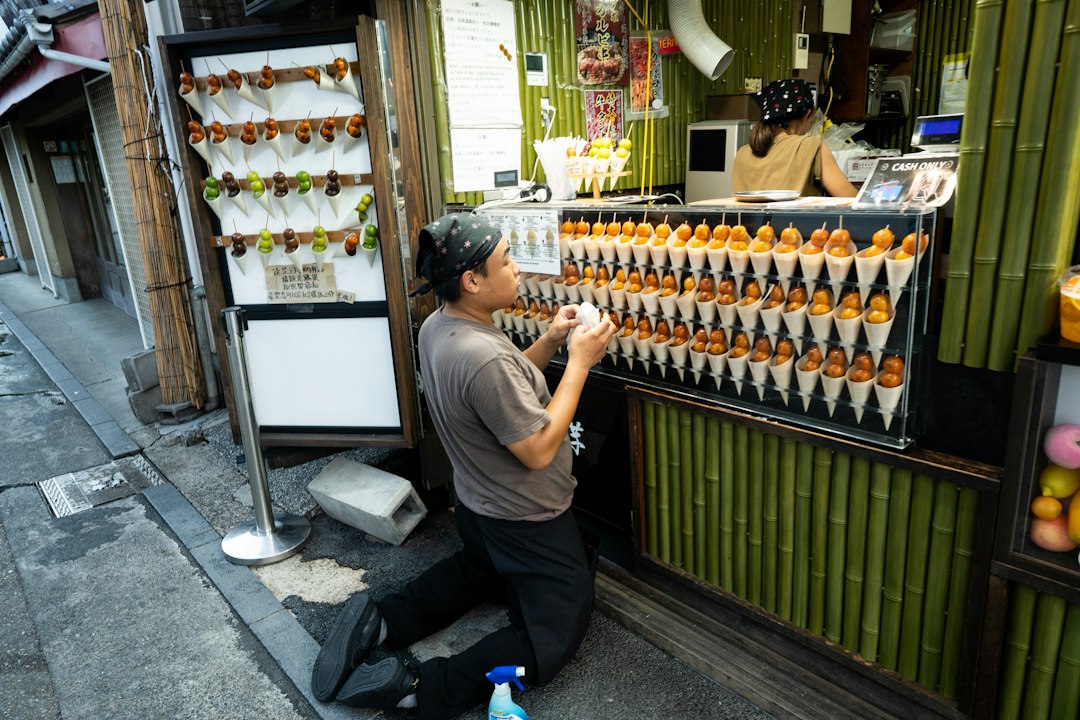
Arashiyama, with its famous bamboo groves, the gently flowing Katsura River, and centuries-old temples, is one of Kyoto’s most beloved districts. But beyond the scenery, Arashiyama holds a quieter treasure for travelers with a sweet tooth: a collection of traditional mochi shops that have been handcrafting Japan’s most beloved rice cake for generations. If you are planning a visit to this picturesque corner of Kyoto, exploring its mochi culture is an essential (and delicious) way to experience authentic Japanese craftsmanship.
Why Arashiyama Is a Haven for Mochi Lovers
Arashiyama has long been a retreat for Kyoto’s aristocracy, poets, and monks, who valued the area’s natural beauty and tranquil atmosphere. Alongside temples and gardens, small confectionery shops developed to serve travelers, pilgrims, and local residents with portable, energy-rich snacks. Mochi, made from steamed and pounded glutinous rice, became a natural fit: it was filling, easy to carry, and could be flavored with seasonal ingredients found in the surrounding hills.
Today, strolling along the main street leading from Togetsukyo Bridge toward the bamboo grove, visitors will notice the sweet aroma of roasted soybean flour and the rhythmic thump of wooden mallets pounding rice in stone mortars. These sounds and smells are a direct link to a culinary tradition that predates modern Kyoto tourism by centuries.
A Brief History of Mochi as a Japanese Sweet
Mochi has been part of Japanese culinary and spiritual life for over a thousand years. Originally associated with Shinto rituals and New Year celebrations, rice was considered sacred, and pounding it into mochi was believed to concentrate its life-giving energy. Over time, mochi evolved from a purely ceremonial food into an everyday treat, enjoyed with sweet fillings, dusted with soybean flour, or wrapped in fragrant leaves.
In Kyoto, mochi-making developed alongside the city’s refined tea culture. Confectioners began creating delicate wagashi (traditional Japanese sweets) designed to complement the bitterness of matcha, leading to the elegant, seasonally inspired mochi varieties still sold in Arashiyama today.
Types of Mochi You Must Try in Arashiyama
One of the joys of visiting Arashiyama’s mochi shops is discovering the sheer variety of textures and flavors. Here are the varieties you should not miss:
- Yatsuhashi: A Kyoto specialty made from thin, cinnamon-scented mochi dough, often folded into triangles and filled with sweet red bean paste. Some shops also sell the crisp, unfolded version as a crunchy snack.
- Warabi Mochi: A jelly-like, delicately wobbly mochi made from bracken starch, generously coated in roasted soybean flour (kinako) and drizzled with brown sugar syrup (kuromitsu). It is especially refreshing in warmer months.
- Sakura Mochi: Pink-hued mochi wrapped in a pickled cherry blossom leaf, offering a delicate floral aroma and a subtly salty-sweet flavor.
- Kinako Mochi: Soft pounded mochi rolled in toasted soybean flour and sugar, a simple yet deeply satisfying classic.
- Dango: Small mochi dumplings skewered on sticks, often grilled and glazed with sweet soy sauce (mitarashi) or coated in sweet bean paste.
Top Traditional Mochi Shops to Visit in Arashiyama
While Arashiyama is home to many confectioners, a handful of shops stand out for their dedication to traditional methods and quality ingredients.
Shops Specializing in Hand-Pounded Mochi
Look for small storefronts where you can see mochi being pounded in large wooden mortars using heavy mallets, a method known as tsukitate. These shops often sell their mochi warm, straight from the pounding table, resulting in an incomparably soft and chewy texture that pre-packaged versions simply cannot replicate.
Family-Run Confectioneries Near the Bamboo Grove
Several multi-generational family shops line the streets near the entrance to the bamboo grove. These establishments typically rotate their offerings with the seasons, featuring cherry blossom mochi in spring, chilled warabi mochi in summer, chestnut-flavored sweets in autumn, and citrus-infused mochi in winter.
Shops Offering Mochi and Matcha Tea Sets
For a more leisurely experience, seek out shops with seating areas where you can enjoy a mochi sweet alongside a bowl of freshly whisked matcha. This pairing is a quintessential Kyoto experience, allowing you to appreciate the contrast between the sweetness of the mochi and the gentle bitterness of the tea.
Watching the Mochi-Making Process
Many visitors are delighted to discover that some shops allow you to watch, or even participate in, the traditional mochi-pounding process. Steamed glutinous rice is placed into a large stone or wooden mortar called an usu, and an artisan rhythmically strikes it with a wooden mallet called a kine, while another person quickly turns and moistens the rice between strikes. This teamwork requires precise timing and years of practice, and watching it in person offers a wonderful appreciation for the craftsmanship behind each piece of mochi.
Best Time to Visit and Practical Tips
Arashiyama’s mochi shops are generally busiest in the late morning and early afternoon, particularly on weekends, so arriving earlier in the day can help you avoid long lines and enjoy a calmer shopping experience. Since many traditional mochi varieties contain no preservatives, they are best enjoyed fresh on the day of purchase. If you plan to bring mochi home as a souvenir, ask the shop staff about the recommended consumption timeframe, as freshness can vary from a few hours to a couple of days depending on the type.
- Visit in the morning for the freshest, warmest mochi straight from the pounding table.
- Carry a small reusable bag or box, as many shops offer minimal packaging for eco-conscious shopping.
- Try a few varieties in small portions rather than committing to a large box, since flavors and textures vary widely between shops.
- Ask whether the shop offers seasonal limited-edition flavors, a hallmark of traditional Japanese confectionery culture.
Pairing Mochi with Traditional Tea
No mochi experience in Arashiyama is complete without pairing it with tea. Matcha, with its rich umami and slight bitterness, is the classic companion, balancing the sweetness of red bean paste or brown sugar syrup. For a lighter option, hojicha (roasted green tea) offers a toasty, mellow flavor that complements kinako-dusted mochi beautifully. Many shops and nearby tea houses offer set menus combining a seasonal mochi sweet with a freshly prepared cup of tea, making for a relaxing midday break during your sightseeing.
Combining Mochi Shopping with Arashiyama Sightseeing
Arashiyama’s mochi shops are conveniently located near many of the district’s top attractions, making it easy to combine sweet treats with sightseeing. After wandering through the iconic bamboo grove, visiting Tenryu-ji Temple’s beautiful garden, or crossing the Togetsukyo Bridge, treat yourself to a cooling warabi mochi or a warm, freshly pounded rice cake. The combination of cultural exploration and culinary indulgence captures the essence of a perfect Kyoto day trip.
Final Thoughts
The traditional mochi shops of Arashiyama offer far more than a quick snack; they provide a window into centuries of Japanese culinary heritage, craftsmanship, and seasonal appreciation. Whether you savor a warm piece of hand-pounded mochi beside the river, sip matcha paired with a delicate wagashi, or simply watch artisans at work, these humble shops are an unmissable part of any visit to this historic district. Next time you find yourself wandering the streets of Arashiyama, follow the sweet aroma of roasted soybean flour, and let it lead you to an unforgettable taste of traditional Kyoto.
Photo by EMANUELE Ricciardi on Unsplash