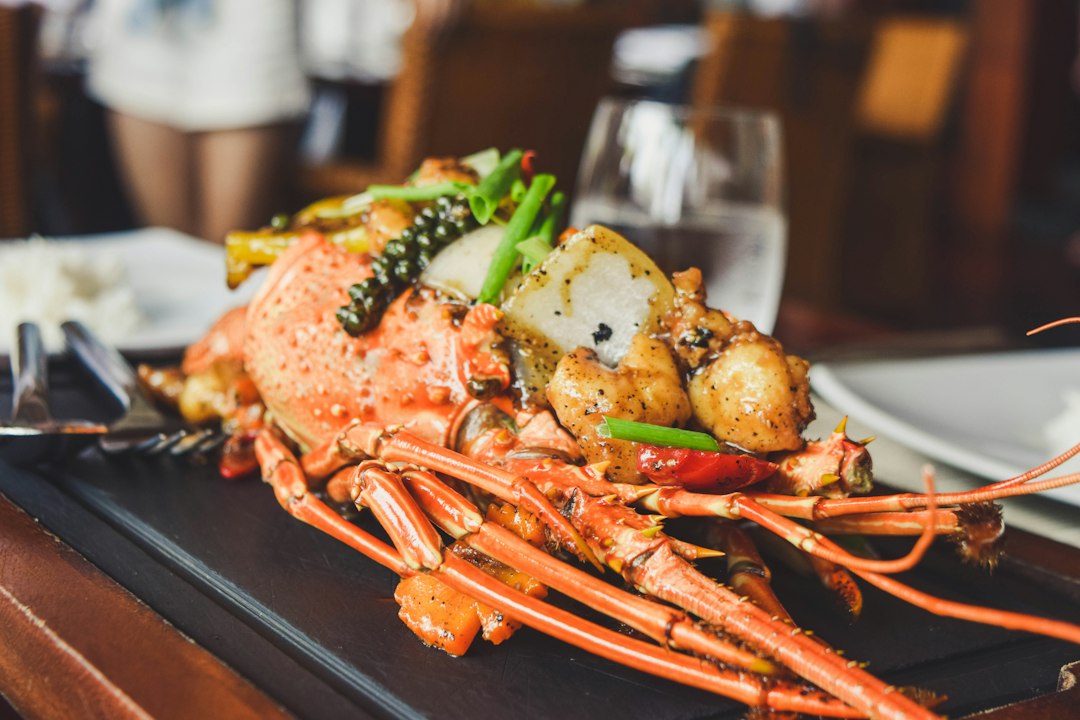
Discovering Ise Ebi: Japan’s Prized Spiny Lobster
Along the rugged coastline of Mie Prefecture, where the Pacific Ocean crashes against dramatic cliffs and sheltered bays teem with marine life, a culinary treasure has been harvested for centuries. Ise ebi, or Japanese spiny lobster, is one of the most celebrated seafood delicacies in all of Japan, and nowhere is it more deeply woven into local culture and cuisine than in Mie itself. This is the region that gave the lobster its name, and visiting here offers an unmatched opportunity to taste it at the absolute source.
Unlike the clawed lobsters familiar to Western diners, Ise ebi belongs to the spiny lobster family, distinguished by its long antennae, vivid reddish-orange shell, and remarkably sweet, firm flesh. The texture is often described as a cross between lobster and shrimp, with a clean oceanic sweetness that intensifies when the lobster is impeccably fresh. Because Mie’s waters along the Shima Peninsula and Ise-Shima coastline are particularly rich in nutrients, the lobsters caught here are renowned for their superior flavor and quality, making them a prized ingredient not just locally but across Japan’s finest restaurants.
Why Mie Prefecture Is the Heart of Ise Lobster Culture
Mie Prefecture’s connection to Ise ebi runs deeper than geography. The lobster takes its name directly from the old Ise Province, and the region remains one of Japan’s top producers of this seafood. The Shima Peninsula, with its complex coastline of inlets and reefs, provides ideal habitat for spiny lobsters to thrive, and local fishing communities have refined their harvesting techniques over generations to ensure sustainability alongside quality.
Historically, Ise ebi has also held ceremonial and symbolic significance in Japanese culture. Its vivid red color and long whisker-like antennae are associated with longevity and good fortune, which is why it frequently appears on New Year’s tables and during celebratory occasions throughout the country. Tasting it in Mie, however, connects visitors to something more authentic than a festive garnish; here, it is a staple of everyday coastal cuisine and a source of regional pride.
How Ise Lobster Is Traditionally Prepared
One of the joys of a seafood tasting experience in Mie is discovering just how versatile Ise ebi can be. Local chefs and fishing families have developed numerous preparations that highlight different aspects of the lobster’s flavor and texture.
- Sashimi style: Thinly sliced raw Ise ebi served chilled, allowing the natural sweetness and delicate texture to shine without any seasoning overpowering it.
- Grilled whole (sugatayaki): The lobster is split and grilled over charcoal in its shell, intensifying the umami flavor while keeping the meat tender and juicy.
- Miso soup (ise ebi no miso shiru): The shell and head are simmered to create a deeply flavorful broth, often enjoyed as the finale of a multi-course meal.
- Tempura: Lightly battered and fried, offering a crispy contrast to the lobster’s naturally soft, sweet flesh.
- Nabe (hot pot): Particularly popular in cooler months, where the lobster is cooked alongside vegetables and other seafood in a communal pot.
Many restaurants and ryokan in Mie offer multi-course Ise ebi tasting sets that allow diners to experience several of these preparations in a single sitting, providing a comprehensive introduction to the ingredient’s versatility.
Where to Experience Ise Lobster Tasting in Mie
Several areas within Mie Prefecture stand out as destinations for an authentic Ise ebi tasting experience. The Shima Peninsula, home to the famous Ise Grand Shrine region, boasts numerous seafood restaurants and ryokan that specialize in local catches. Coastal towns along this peninsula often host seasonal seafood markets where visitors can watch lobsters being selected directly from tanks before preparation.
Toba, a charming port city known for its pearl cultivation history, also offers excellent dining options featuring Ise ebi, often paired with other local specialties such as abalone and oysters. Many traditional ryokan in this area include Ise ebi courses as part of their kaiseki dinner offerings, transforming an overnight stay into a culinary journey.
For travelers seeking a more interactive experience, some coastal communities in Mie offer fishing and cooking experiences where visitors can learn about traditional lobster trapping methods before enjoying their catch prepared by local experts. These hands-on experiences provide valuable insight into the sustainable fishing practices that have allowed Ise ebi populations to remain healthy for generations.
Best Time to Enjoy Ise Lobster
While Ise ebi can often be found in restaurants throughout much of the year due to careful fishery management and seasonal regulations, the autumn and winter months are traditionally considered peak season in Mie. During this period, the lobsters are typically at their plumpest and most flavorful, having fed well during the warmer months. Many local establishments adjust their menus seasonally, so travelers interested in a true Ise ebi feast should consider planning visits during the cooler months, though quality offerings can generally be found year-round thanks to Mie’s well-regulated fishing practices.
Pairing Ise Lobster with Local Mie Specialties
A visit to Mie for seafood tasting rarely stops at lobster alone. The prefecture’s coastal bounty includes exceptional abalone, oysters, and Matsusaka beef, one of Japan’s most famous wagyu brands. Many tasting courses combine Ise ebi with these other regional treasures, creating a comprehensive showcase of Mie’s culinary identity. Local sake, often brewed using pristine regional water sources, pairs beautifully with the delicate sweetness of the lobster, enhancing the overall dining experience.
Tips for Travelers Planning an Ise Lobster Tasting Trip
- Reserve ahead at popular restaurants and ryokan, especially during peak travel seasons, as fresh Ise ebi courses often require advance preparation.
- Consider staying overnight at a seaside ryokan to enjoy a full kaiseki dinner featuring Ise ebi alongside other regional delicacies.
- Visit local fish markets early in the day for the freshest selections and to observe the vibrant local seafood culture firsthand.
- Ask staff about the specific preparation methods available, as menus can vary significantly between sashimi-focused and grilled or hot pot-style establishments.
- Combine your seafood tasting with a visit to the Ise Grand Shrine or Toba’s pearl museums for a well-rounded Mie itinerary.
Final Thoughts
An Ise lobster tasting experience in Mie Prefecture offers far more than a simple meal; it is an immersion into a centuries-old coastal culture defined by respect for the sea and its bounty. Whether enjoyed as delicate sashimi, smoky grilled sugatayaki, or a comforting bowl of miso soup, Ise ebi embodies the refined simplicity and deep flavor that define Japanese coastal cuisine. For travelers seeking an authentic and memorable culinary adventure, Mie’s shores remain one of the finest places in Japan to savor this legendary spiny lobster.
Photo by Katie Musial on Unsplash