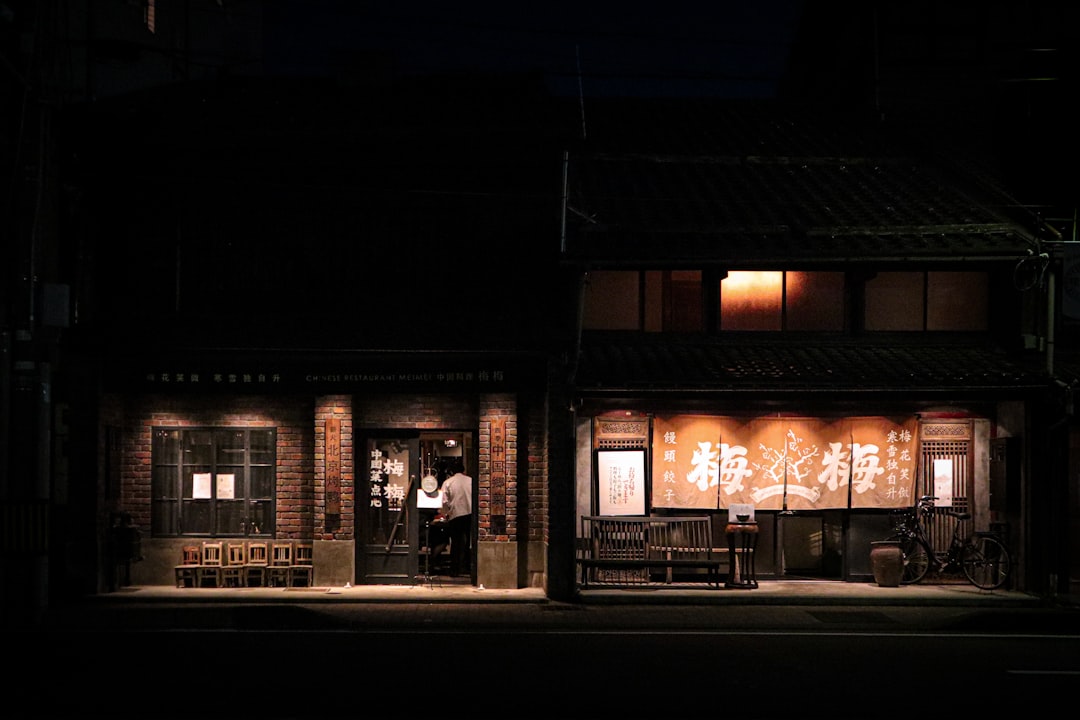
## Why Kanazawa Is Japan’s Best City for a Traditional Guesthouse Stay
Kanazawa is one of the few Japanese cities where samurai districts, geisha quarters, and Edo-period townhouses survive largely intact. This makes it an ideal place to experience a traditional guesthouse stay — a style of accommodation that blends the atmosphere of an old machiya (townhouse) or minka (traditional home) with the flexibility and affordability of modern guesthouse living. But is a traditional guesthouse really the best choice for your trip, or would a ryokan, business hotel, or capsule hotel suit you better? This guide breaks down every option so you can decide with confidence.\n\n## What Makes a \“Traditional Guesthouse\” Different in Kanazawa\n\nUnlike generic hostels, many guesthouses in Kanazawa are renovated machiya townhouses located in atmospheric neighborhoods such as Higashi Chaya, Nagamachi, or near Kazuemachi. They typically offer:\n\n- Tatami-mat rooms with futon bedding instead of Western beds\n- Shared common areas such as an irori (sunken hearth) lounge or engawa veranda\n- A mix of private rooms and shared dormitories\n- Shared or semi-private bathrooms (some now offer en-suite options)\n- A homely, low-key atmosphere run by local hosts who can share neighborhood tips\n\nThis format sits between a full-service ryokan and a standard hostel, offering cultural texture without ryokan-level pricing.\n\n## Traditional Guesthouse vs Ryokan vs Business Hotel vs Capsule Hotel\n\nTo understand where a traditional guesthouse fits, it helps to compare it against the three other most common accommodation types travelers consider in Kanazawa.\n\n### Traditional Guesthouse\n\n**Best for:**\n- [x] Travelers who want an authentic, low-cost taste of old Kanazawa architecture\n- [x] Solo travelers and small groups who enjoy socializing in common areas\n- [x] Budget-conscious visitors who still want more character than a hostel\n- [ ] Not ideal for those who need total privacy or luxury service\n- [ ] Not ideal for large families needing multiple beds and full en-suite bathrooms\n\n### Ryokan (Traditional Inn)\n\n**Best for:**\n- [x] Couples or families celebrating a special occasion\n- [x] Travelers who want kaiseki dinner, private onsen, and full omotenashi service\n- [x] Those prioritizing comfort and privacy over budget\n- [ ] Not ideal for solo backpackers on a tight budget\n- [ ] Not ideal for late-night arrivals, as many ryokan have set check-in/dinner times\n\n### Business Hotel\n\n**Best for:**\n- [x] Travelers who want a compact, efficient Western-style room\n- [x] Business trips or short stays near Kanazawa Station\n- [x] Anyone prioritizing consistent amenities (Wi-Fi, private bath, desk)\n- [ ] Not ideal for travelers seeking cultural atmosphere or local interaction\n\n### Capsule Hotel\n\n**Best for:**\n- [x] Ultra-budget solo travelers or late-night/early-morning transit stays\n- [x] Travelers comfortable with minimal privacy and shared facilities\n- [ ] Not ideal for families, couples, or anyone needing storage space for luggage\n- [ ] Not ideal for longer stays due to limited comfort\n\n## Side-by-Side Comparison Table\n\n| Criteria | Traditional Guesthouse | Ryokan | Business Hotel | Capsule Hotel |\n|—|—|—|—|—|\n| Price range (per person/night) | ¥3,000–¥8,000 | ¥12,000–¥40,000+ | ¥6,000–¥12,000 | ¥2,500–¥5,000 |\n| Privacy | Low–Medium (shared bath common) | High (often private bath/onsen) | High (private room) | Very Low |\n| Cultural atmosphere | Very High (machiya architecture, tatami) | Very High (full omotenashi service) | Low | Low |\n| Meals included | Rarely (self-catering kitchen common) | Often (kaiseki dinner/breakfast) | Rarely | Never |\n| Location convenience | Good (historic districts) | Varies (often central or onsen areas) | Excellent (near station) | Excellent (near station) |\n| Best for | Budget travelers wanting authenticity | Special occasions, luxury seekers | Efficiency-focused travelers | Solo/budget/transit stays |\n| Family suitability | Limited | High (with advance arrangement) | Medium | Low |\n\n**Ready to compare real options?** Check current availability and rates for traditional guesthouses, ryokan, and hotels in Kanazawa before your travel dates fill up — prices for machiya-style rooms in Higashi Chaya and Nagamachi can rise quickly during peak seasons, so booking early is the safest way to secure the atmosphere you want.\n\n## What to Expect During a Traditional Guesthouse Stay\n\nIf you decide a traditional guesthouse is right for you, here’s what a typical stay involves:\n\n- [x] Removing shoes at the entrance (genkan) — always required\n- [x] Sleeping on a futon laid out on tatami flooring, usually set up by staff or yourself\n- [x] Sharing a lounge, kitchen, or bathhouse with other guests\n- [x] Interacting with hosts who often speak some English and can recommend local izakaya or day trips\n- [ ] Don’t expect daily room cleaning or turn-down service like a hotel\n- [ ] Don’t expect 24-hour front desk staffing at smaller guesthouses — confirm check-in hours in advance\n\n## Choosing the Right Neighborhood for Your Guesthouse\n\nWhere you stay matters as much as the style of accommodation:\n\n- **Higashi Chaya District** — best for guests who want to wake up steps from lantern-lined streets and traditional teahouses; guesthouses here tend to be the most atmospheric but slightly pricier.\n- **Nagamachi Samurai District** — quieter, residential feel with easy access to Kenrokuen Garden and the 21st Century Museum.\n- **Near Kanazawa Station** — convenient for travelers arriving late or catching early trains, though less traditional in character.\n- **Kazuemachi** — a smaller, less touristy geisha district with a handful of intimate guesthouses along the river.\n\n## Tips for a Smooth Traditional Guesthouse Experience\n\n- [x] Book directly or through a reputable platform and read recent reviews about bathroom sharing arrangements\n- [x] Pack a light robe or loungewear, as many guesthouses provide yukata but not all\n- [x] Bring earplugs if you’re a light sleeper, since walls in old machiya buildings can be thin\n- [x] Ask your host about seasonal events — some guesthouses can arrange tea ceremony or kimono experiences\n- [ ] Don’t assume in-room Wi-Fi is guaranteed everywhere; older buildings sometimes have weaker signal in tatami rooms\n\n## Frequently Asked Questions\n\n**Is a traditional guesthouse suitable for families with children?**\nSmall families can manage in guesthouses with private tatami rooms, but those needing cribs, multiple beds, or full privacy may find a ryokan or family-friendly hotel more comfortable.\n\n**Are traditional guesthouses in Kanazawa good for solo travelers?**\nYes — many solo travelers specifically choose guesthouses in Kanazawa for the communal lounges, shared kitchens, and opportunities to meet other travelers, all at a lower price than a ryokan.\n\n**Do guesthouses in Kanazawa include breakfast?**\nIt varies. Some offer a simple Japanese-style breakfast for an extra fee, while others provide a shared kitchen for self-catering. Always check the listing details before booking.\n\n**How far in advance should I book a traditional guesthouse in Kanazawa?**\nBecause many machiya guesthouses have only a handful of rooms, booking at least a few weeks ahead — and even earlier during peak travel seasons — is strongly recommended.\n\n## Final Thoughts\n\nA traditional guesthouse stay in Kanazawa offers a rare middle ground: the architectural charm and cultural depth of a ryokan, combined with the affordability and social atmosphere of a hostel. Whether you ultimately choose a guesthouse, ryokan, business hotel, or capsule hotel, understanding these trade-offs in privacy, price, and atmosphere will help you match your stay to your travel style — and make the most of everything Kanazawa’s historic streets have to offer.
Photo by Yuya Yoshioka on Unsplash