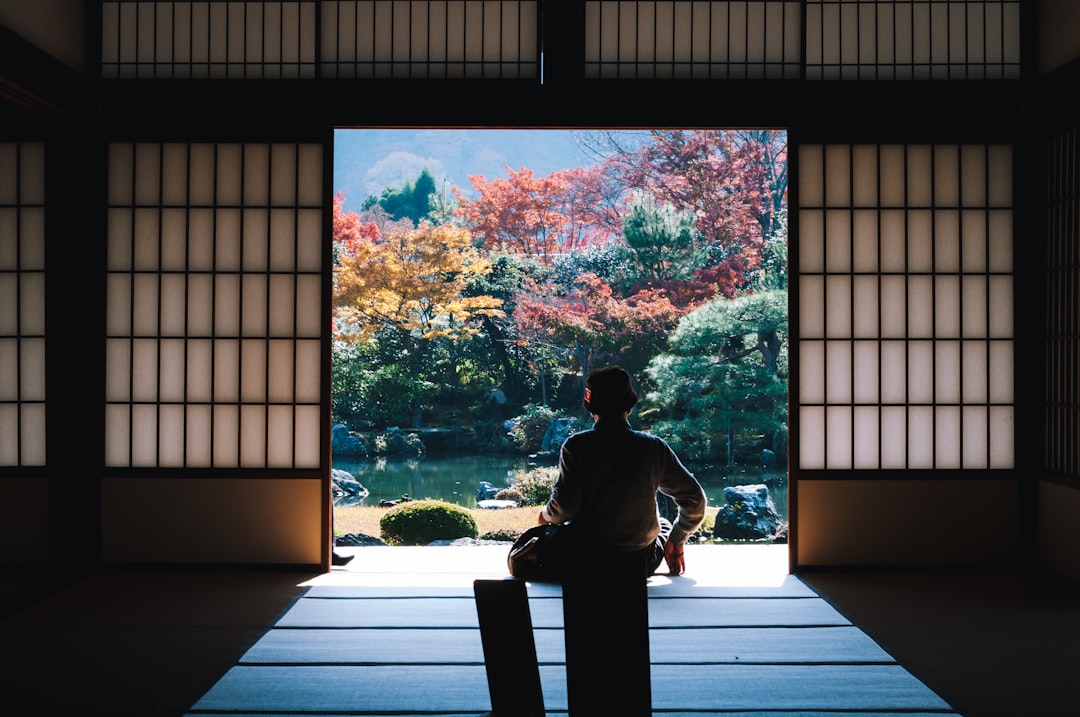
What Is a Shukubo? Understanding Japan’s Temple Lodging Tradition
A shukubo (宿坊) is a traditional temple lodging that originally existed to house pilgrims traveling to sacred sites across Japan. Today, many of these temples have opened their doors to travelers seeking something deeper than a typical hotel stay. Choosing a shukubo temple stay with morning meditation in Kyoto allows visitors to sleep within the quiet wooden halls of a working Buddhist temple, eat simple vegetarian meals, and wake before dawn to sit in zazen meditation alongside resident monks. It’s an experience that blends cultural immersion with genuine spiritual practice, making it one of the most memorable ways to spend a night in Japan’s ancient capital.
Why Choose a Shukubo Temple Stay in Kyoto
Kyoto is home to over a thousand temples, many of which belong to sects such as Zen (Rinzai and Soto), Jodo, and Shingon Buddhism. Unlike a standard ryokan or hotel, a shukubo offers structure and purpose: guests are invited to participate in the same rhythms that monks have followed for centuries. Morning meditation, chanting, and mindful meals encourage guests to slow down and disconnect from daily distractions. For travelers curious about Japanese Buddhism, Zen philosophy, or simply looking for a peaceful alternative to busy tourist accommodations, a temple stay provides an authentic window into a living tradition rather than a museum piece.
Top Temples in Kyoto Offering Shukubo with Morning Meditation
Shunkoin Temple (Myoshin-ji Complex)
Shunkoin is one of the most popular choices for international visitors, largely because the resident vice-abbot speaks fluent English and leads meditation sessions specifically designed for foreign guests. Located within the expansive Myoshin-ji temple complex in northwest Kyoto, Shunkoin offers evening and morning zazen sessions, along with talks on Zen Buddhism that make the philosophy accessible to beginners.
Chion-in Temple
As the head temple of the Jodo sect, Chion-in occasionally offers overnight stays and early morning services in its Wajun Kaikan guesthouse. Guests can witness or join sutra chanting in the temple’s grand halls, surrounded by centuries-old architecture and gardens.
Myoshin-ji Sub-Temples
Beyond Shunkoin, several smaller sub-temples within the Myoshin-ji grounds occasionally accept guests through special arrangements or seasonal programs, offering a quieter, more intimate alternative for those wanting fewer crowds.
Temples Near Kodai-ji and Higashiyama
Some temples in the Higashiyama district, close to Kiyomizu-dera and Kodai-ji, provide short-term lodging with morning sutra copying or seated meditation, allowing guests to combine spiritual practice with easy access to Kyoto’s most iconic sightseeing areas.
What to Expect During Your Stay
Morning Zazen Meditation Session
The centerpiece of any shukubo temple stay is the morning zazen session, typically held between 6:00 and 7:00 AM. Guests sit cross-legged (or on a chair, if needed) facing a wall or the center of the room, focusing on breath and posture while a monk occasionally offers gentle guidance. Sessions usually last 20 to 40 minutes and may be preceded or followed by short sutra chanting. The stillness of the temple at dawn, combined with the scent of incense and the sound of a wooden bell, creates an atmosphere unlike anything found in ordinary tourism.
Shojin Ryori: Buddhist Vegetarian Cuisine
Meals at a shukubo follow the principles of shojin ryori, a vegetarian cuisine developed by Buddhist monks that avoids meat, fish, and pungent vegetables like garlic and onion. Dishes typically include seasonal vegetables, tofu, rice, miso soup, and pickles, all prepared with careful attention to balance and presentation. Eating shojin ryori is considered part of the spiritual practice itself, encouraging mindfulness and gratitude with every bite.
Sutra Copying and Other Activities
Many temples offer shakyo (sutra copying), where guests use a brush to trace Buddhist scripture characters onto paper. This meditative calligraphy practice is often available in the evening and requires no prior experience with Japanese writing. Some temples also offer short dharma talks, garden walks, or tea ceremony demonstrations as part of the overnight program.
Accommodation Style and Facilities
Rooms in a shukubo are typically traditional tatami-mat spaces with futon bedding laid out for sleeping. Shared bathrooms are common, though some larger temples offer private facilities. Amenities are usually simple and minimal, in keeping with the temple’s philosophy of modest living, so travelers should not expect the luxuries of a high-end hotel.
Etiquette and Tips for a Respectful Stay
- Speak quietly and avoid loud conversations, especially near prayer halls and during meditation times.
- Follow the temple’s schedule closely; meals and meditation sessions often start punctually.
- Dress modestly, covering shoulders and knees, particularly if visiting halls open to the public.
- Remove shoes before entering tatami rooms and halls, as is standard throughout Japan.
- Avoid photography during meditation or religious ceremonies unless explicitly permitted.
- Be open-minded: the goal is spiritual reflection, not entertainment.
How to Book a Shukubo in Kyoto
Reservations can usually be made directly through a temple’s official website, especially for temples like Shunkoin that regularly host international guests. Some shukubo also list availability on major travel booking platforms, though options are more limited than standard hotels. Booking in advance is strongly recommended, particularly during spring cherry blossom season and autumn foliage season, when demand for unique Kyoto accommodations rises sharply. It’s also worth confirming language support, meal options (in case of dietary restrictions), and whether morning meditation is included or requires an additional fee.
What to Pack for a Temple Stay
- Comfortable, loose-fitting clothing suitable for sitting cross-legged
- Layers, as temple halls can be cool, especially in early morning
- Slip-on shoes for easy removal at entrances
- A small notebook if you’d like to reflect on the experience afterward
- An open, respectful mindset rather than a checklist of “things to see”
A Sample Shukubo Itinerary
A typical overnight stay might begin with check-in in the late afternoon, followed by a simple vegetarian dinner around 6:00 PM. After dinner, guests may join an optional sutra copying session or a short talk on Zen practice. Lights out is usually early, around 9:00 or 10:00 PM, to prepare for the pre-dawn wake-up call. Morning zazen meditation typically takes place between 6:00 and 7:00 AM, followed by a light breakfast and checkout by mid-morning, leaving the rest of the day free to explore Kyoto’s temples, gardens, and markets.
Final Thoughts
A shukubo temple stay with morning meditation in Kyoto offers far more than a place to sleep; it offers a rare chance to step into the daily rhythm of Buddhist monastic life, even if only for one night. Between the silence of dawn meditation, the simplicity of shojin ryori meals, and the timeless architecture of Kyoto’s temples, this experience leaves many travelers with a deeper appreciation for mindfulness and Japanese spiritual culture long after they’ve returned home.
Photo by Masaaki Komori on Unsplash