Discover Tono: Japan’s Living Folklore Landscape
Tucked away in the mountains of Iwate Prefecture, Tono is a rural basin where rice paddies, thatched-roof farmhouses, and mist-covered hills have inspired generations of storytellers. Often called the birthplace of Japanese folklore studies, Tono owes its fame to Kunio Yanagita’s early twentieth-century book Tono Monogatari (The Legends of Tono), a collection of local tales about kappa water spirits, mountain gods, and mysterious happenings passed down by villagers. Today, Tono remains one of Japan’s most atmospheric countryside destinations, offering travelers a rare chance to step into a landscape that feels frozen in a folktale.
Unlike Japan’s bustling cities, Tono moves at the pace of the seasons. Visitors come here not for flashy attractions but for a slow, immersive experience of rural Japanese life, complete with kappa-hunting ponds, magariya farmhouses, shrines dedicated to household deities, and some of the friendliest countryside hospitality in the country.
Why Tono Is Called the Home of Japanese Folklore
Tono’s folklore reputation stems from its isolation. Surrounded by mountains, the Tono Basin developed a distinct oral tradition where farmers shared stories about yokai (supernatural creatures), nature spirits, and ancestral guardians to explain everyday mysteries and to teach moral lessons. These stories were compiled into a now-famous literary work that sparked Japan’s academic interest in folklore studies.
The most beloved figure in Tono folklore is the kappa, a mischievous river-dwelling creature said to pull unsuspecting children and horses into the water. Kappa Fuchi, a small stream on the outskirts of town, is the legendary home of these creatures and remains a popular stop for visitors hoping to try their luck at kappa fishing using cucumber-baited rods, a lighthearted nod to local legend.
Other Iconic Folklore Spots
- Denshoen Village: A folk village recreating traditional Tono life, with storytellers who share legends in the local dialect.
- Tono Furusato Village: A cluster of relocated magariya farmhouses where you can experience traditional crafts, silk cultivation, and seasonal festivals.
- Fukusenji Temple and its five-story pagoda: A tranquil site linked to numerous local ghost stories.
- Oshirasama shrines: Small shrines housing wooden dolls representing a guardian deity connected to a tragic and enduring local legend about a girl and her horse.
Exploring Tono’s Countryside Villages
Tono is less a single town and more a patchwork of small hamlets scattered across a scenic basin. Renting a bicycle or car is the best way to explore, as many of the folklore sites and traditional farmhouses are spread across the countryside rather than concentrated in one walkable area.
Magariya Farmhouses
One of Tono’s most distinctive architectural features is the magariya, an L-shaped farmhouse where the family’s living quarters connect directly to a stable for horses. This design reflects the deep historical bond between Tono’s farmers and their horses, which were treated almost as family members. Several preserved magariya are open to the public, offering an authentic glimpse into rural Japanese life from centuries past.
Rice Paddies and Seasonal Scenery
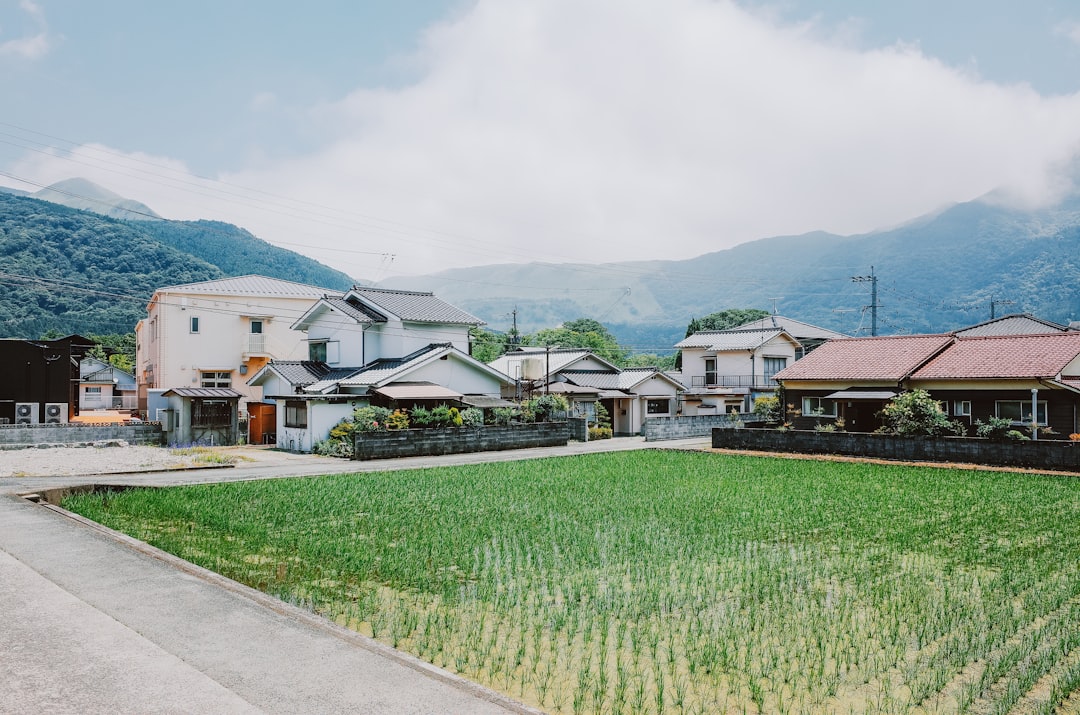
Tono’s basin is blanketed with rice paddies that shift dramatically with the seasons. Spring brings vibrant green shoots, summer offers lush emerald fields, autumn turns the landscape golden before harvest, and winter dusts the thatched roofs and mountains with snow. Because the scenery transforms so completely throughout the year, Tono rewards repeat visits no matter the season.
Local Shrines and Sacred Sites
Small wayside shrines dot the countryside, many dedicated to protective deities tied to specific folklore. Visiting these unassuming sites, often no larger than a garden shed, offers a quiet, contemplative way to connect with the beliefs that shaped rural Japanese communities for generations.
Best Ways to Experience Tono’s Folklore
- Guided storytelling sessions: Several folk villages and museums host local storytellers who share Tono’s legends, sometimes with English translation available for visitors.
- Cycling tours: Renting a bicycle allows you to move between scattered sites at your own pace while soaking in the countryside atmosphere.
- The Tono Municipal Museum: A well-curated introduction to the region’s folklore, history, and the story of Yanagita’s famous book.
- Seasonal festivals: Local festivals throughout the year often showcase traditional dances, horse-related rituals, and folklore reenactments.
Practical Travel Tips for Visiting Tono
Getting There
Tono is accessible by train from Morioka or Hanamaki via limited express services, followed by a local line into the Tono Basin. The journey itself passes through scenic mountain landscapes, making the trip part of the experience. Travelers coming from Tokyo typically connect via Shinkansen to Iwate before transferring to local rail lines.
Getting Around
Because Tono’s attractions are spread across the countryside, having your own transportation, whether a rental car or bicycle, is highly recommended. Local bus services exist but run infrequently, especially outside peak tourist times.
Where to Stay
Tono offers a range of accommodations, from simple business hotels near the train station to traditional guesthouses and farmstays that let you experience rural life firsthand. Staying in a farmstay is particularly rewarding for travelers who want to interact with locals and enjoy home-cooked countryside meals.
Best Time to Visit
Tono is a year-round destination, with each season offering a distinct atmosphere. Spring and autumn are especially popular for comfortable weather and beautiful scenery, while summer brings lush greenery and local festivals. Winter visits reward travelers with quiet, snow-dusted landscapes and a cozy countryside charm.
Why Tono Deserves a Spot on Your Japan Itinerary
While Tono may not have the star power of Kyoto’s temples or Tokyo’s neon skyline, it offers something increasingly rare in modern travel: an unhurried, authentic window into rural Japanese culture and imagination. Wandering past thatched farmhouses, hearing tales of kappa and mountain spirits, and watching mist roll over rice paddies at dawn creates a travel experience that lingers in memory long after the trip ends.
For travelers seeking a countryside escape steeped in legend, history, and genuine local hospitality, Tono stands out as one of Japan’s most enchanting and underrated destinations. Whether you’re a folklore enthusiast, a photography lover, or simply someone craving a slower pace of travel, Tono’s villages offer a rewarding journey into the heart of rural Japan.
Photo by PJH on Unsplash