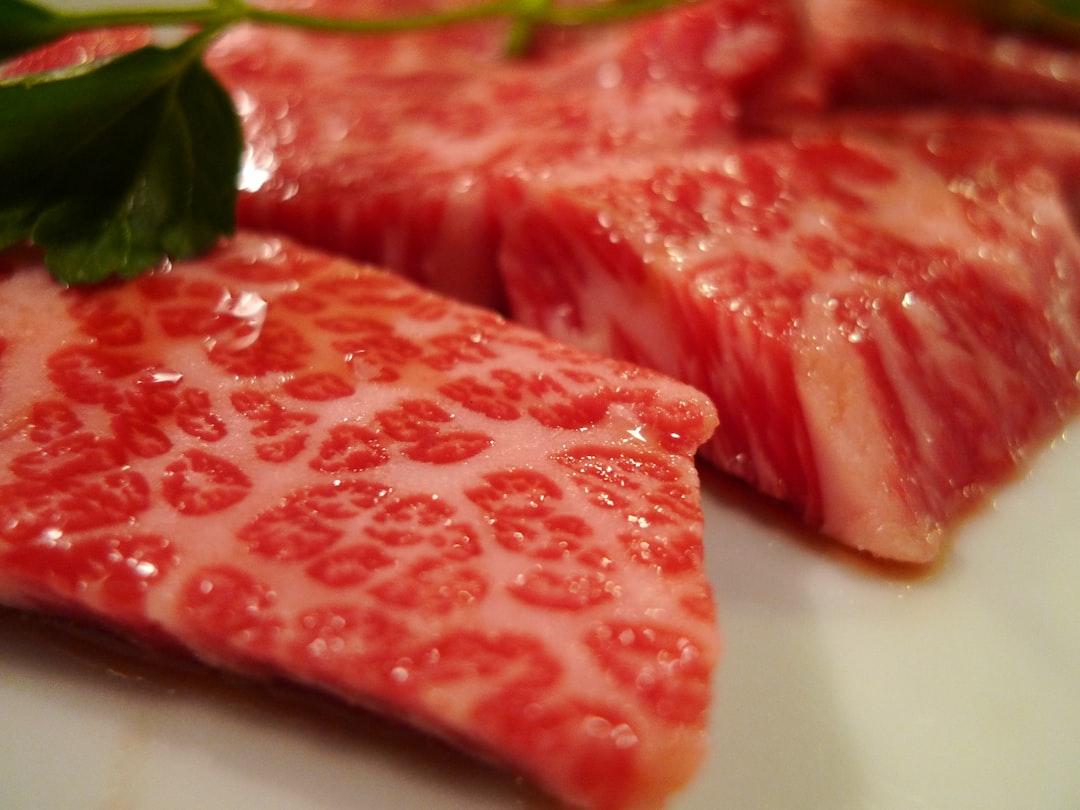

Photo by Mike Choi on Unsplash
What Makes Kobe Beef So Special?
Few culinary experiences capture the imagination of travelers quite like a Kobe beef teppanyaki dinner. Renowned worldwide for its intense marbling, buttery texture, and rich umami flavor, Kobe beef comes from Tajima cattle raised under strict standards in Hyogo Prefecture, Japan. Not every piece of wagyu can legally be called Kobe beef – the meat must meet rigorous criteria for marbling ratio (BMS), meat quality score, and lineage certification issued by the Kobe Beef Marketing and Distribution Promotion Association. Understanding this背景 helps diners appreciate why an authentic Kobe beef teppanyaki dinner is considered a once-in-a-lifetime culinary event rather than just another steak dinner.
What Is Teppanyaki, Exactly?
Teppanyaki refers to the cooking style where food is grilled on a flat iron griddle (teppan) in front of guests. While teppanyaki restaurants outside Japan often serve flashy onion-volcano tricks and shrimp-flipping theatrics, authentic Japanese teppanyaki – especially when featuring Kobe beef – is a far more refined, quiet, and reverent affair. The chef, standing behind the teppan, methodically prepares each course with minimal seasoning (usually just salt, pepper, and a splash of sake or garlic), allowing the natural sweetness and fat of the beef to shine.
The Origins of Teppanyaki
Teppanyaki as a dining concept emerged in Japan in the mid-20th century, popularized by restaurants that wanted to showcase premium wagyu in an interactive, intimate setting. Today it remains one of the most sought-after ways to enjoy Kobe beef, alongside shabu-shabu and sukiyaki, though teppanyaki is generally considered the best method for tasting the meat’s inherent flavor without dilution from broth or sauce.
What to Expect During a Kobe Beef Teppanyaki Meal
A typical Kobe beef teppanyaki dinner unfolds as a multi-course experience lasting one to two hours. While menus vary by restaurant, most follow a similar structure:
- Amuse-bouche or appetizer: A small seasonal dish to prepare the palate, often including sashimi or a light salad.
- Vegetables and garlic chips: Grilled seasonal vegetables and thin garlic slices are cooked first, both to cleanse the palate and to season the teppan surface.
- Soup course: A light miso or consomme soup often precedes the main event.
- The main event – Kobe beef: The chef presents the raw cut, explains its grade and cut (commonly sirloin, fillet, or ribeye), then sears it to your preferred doneness, usually medium-rare to preserve tenderness.
- Rice or garlic fried rice: Often cooked using the residual beef fat for extra flavor.
- Dessert: A light, palate-cleansing sweet finishes the meal.
Throughout the meal, the chef typically engages diners in conversation, answering questions about the beef’s origin, grading, and cooking technique. This interactive element is part of what makes teppanyaki such a memorable dining format compared to standard steakhouse service.
Understanding Kobe Beef Grades and Cuts
When booking a teppanyaki experience, you will often see menus listing grades such as A4 or A5. The letter refers to the yield grade (A being the highest), while the number refers to the meat quality score based on marbling, color, texture, and fat quality, with 5 being the highest possible score. True Kobe beef is almost always A4 or A5 grade, and each cut offers a slightly different experience:
- Sirloin (Rosu): Well-marbled with a rich, fatty flavor; a classic teppanyaki choice.
- Fillet (Hire): Leaner and more tender, ideal for those who prefer less fat.
- Ribeye: Extremely marbled and flavorful, often reserved for special tasting courses.
Portion sizes for Kobe beef are typically smaller than a Western steak – often 100 to 150 grams per person – because the high fat content means a little goes a long way. Do not expect an oversized cut; the experience is about quality, not quantity.
Where to Enjoy Authentic Kobe Beef Teppanyaki
Kobe City, Hyogo Prefecture
Naturally, the city of Kobe itself offers the most authentic setting, with numerous long-established teppanyaki restaurants near Sannomiya and Kitano areas. Dining here means you are close to the source, often with direct relationships between restaurants and local Tajima cattle farms.
Osaka and Tokyo
Many acclaimed teppanyaki restaurants in Osaka and Tokyo also serve certified Kobe beef, often with the same quality and ceremony as in Kobe itself. These cities may offer more availability and English-friendly service for international visitors, making them convenient alternatives if your itinerary does not include Kobe.
How Much Does a Kobe Beef Teppanyaki Dinner Cost?
Pricing varies significantly depending on the restaurant’s reputation, cut, and grade of beef, as well as course inclusions. As a general guideline:
- Lunch courses tend to be more affordable, often featuring smaller portions at a fraction of dinner prices.
- Dinner courses with premium A5 Kobe beef command significantly higher prices, reflecting the rarity and certification process behind the meat.
- Add-ons such as foie gras, uni (sea urchin), or wine pairings will increase the total bill considerably.
Booking a lunch course is a smart strategy for travelers wanting to experience genuine Kobe beef teppanyaki without the premium dinner pricing.
Booking Tips for the Best Experience
- Reserve in advance: Popular teppanyaki counters have limited seating, often fewer than 10 seats, and reservations fill quickly, especially during peak travel seasons.
- Check for certification: Ask whether the restaurant serves certified Kobe beef with an official certificate, as some establishments use the term loosely for other wagyu varieties.
- Choose counter seating: Sitting directly at the teppan counter allows you to watch the chef’s technique and engage in conversation, enhancing the overall experience.
- Come hungry, but not starving: Portions are rich and filling despite their modest size due to the high fat content.
- Consider dietary needs in advance: Inform the restaurant of allergies or preferences when booking, as courses are often fixed-menu style.
Dining Etiquette for Teppanyaki Restaurants
Teppanyaki dining is more relaxed than kaiseki but still calls for a few courtesies. Avoid using strong perfumes that might interfere with the aroma of the beef. It is polite to thank the chef directly at the end of the meal, and tipping is not customary in Japan – excellent service is simply part of the experience. Photography is usually welcomed, but always ask before using flash, as it can be distracting for the chef during delicate searing work.
Pairing Kobe Beef with Drinks
While water and green tea are always suitable, many diners enjoy pairing Kobe beef with a crisp Japanese sake, which complements the umami richness without overpowering it. Some restaurants also offer curated wine lists featuring bold reds that stand up to the beef’s fat content, or lighter whites for those who prefer a more delicate pairing.
Final Thoughts
A Kobe beef teppanyaki dinner is more than a meal – it is a sensory event that combines culinary artistry, cultural tradition, and one of the finest beef products in the world. Whether enjoyed in Kobe itself or at a celebrated restaurant in Osaka or Tokyo, taking the time to understand grading, etiquette, and booking strategy will ensure your experience is as memorable as the beef itself. For any traveler serious about Japanese cuisine, this dining experience deserves a top spot on the itinerary.