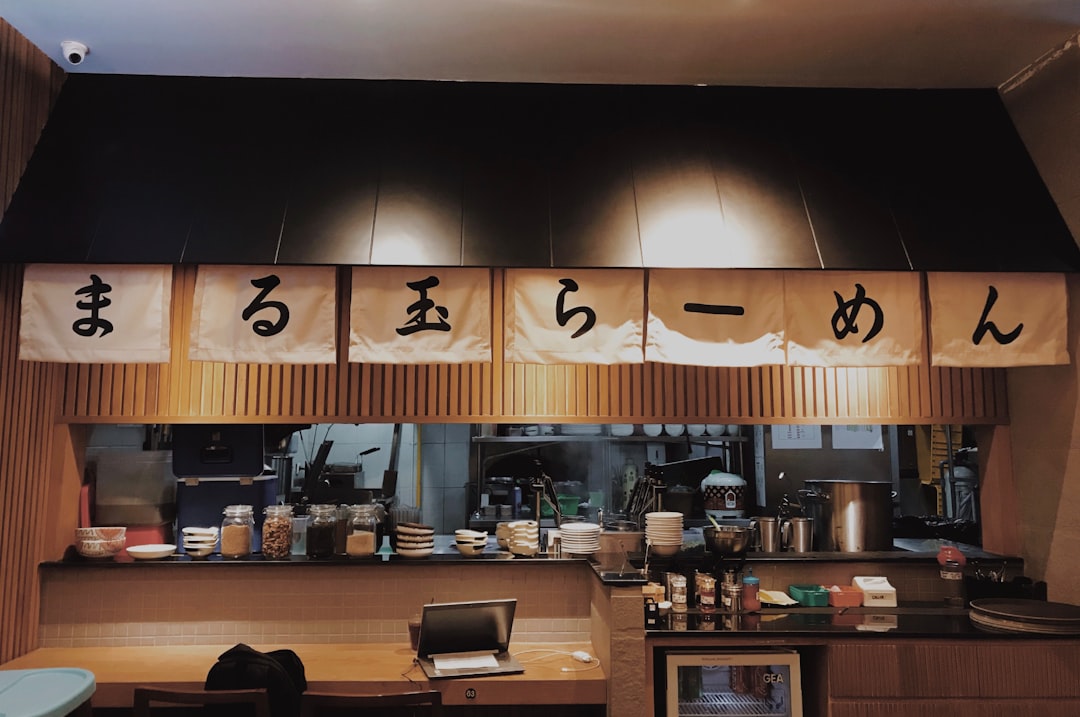

Photo by Baiq Daling on Unsplash
What Is an Izakaya?
An izakaya (居酒屋) is a casual Japanese pub where locals gather after work to eat, drink, and unwind. Think of it as Japan’s answer to a tapas bar crossed with a neighborhood pub. The name literally combines ‘i’ (to stay) and ‘sakaya’ (sake shop), reflecting its origins as a sake shop where customers would linger to drink. Today, izakayas range from tiny six-seat counters run by a single elderly owner to massive chain restaurants spanning multiple floors, but the spirit remains the same: affordable food, flowing drinks, and relaxed conversation.
For travelers, an izakaya visit offers one of the most authentic slices of Japanese social culture. However, the unwritten rules of ordering and dining etiquette can feel mysterious to newcomers. This guide will walk you through everything you need to know, from the moment you sit down to the final toast.
Step 1: Getting Seated
Most izakayas don’t require reservations for walk-ins, though popular spots in cities like Tokyo or Osaka may have a wait during peak hours (typically 6-9 PM). When you enter, a staff member will usually ask how many people are in your group and either seat you at the counter, a table, or a private tatami room. Don’t be surprised if you’re asked to remove your shoes at tatami-style seating; there’s usually a small shelf or locker for shoes near the entrance.
Step 2: The Otoshi (Seating Charge)
One of the biggest surprises for first-time visitors is the otoshi, a small appetizer automatically served to your table shortly after you sit down. This isn’t something you ordered, and you cannot refuse it. It functions as a mandatory seating charge, typically costing 300-500 yen per person. Think of it as similar to a bread basket charge in Western restaurants. It’s a long-standing custom, so simply enjoy the small dish as a starter while you browse the menu.
Step 3: Ordering Your First Drink
In izakaya culture, it’s customary to order a drink first before diving into food. The classic opening phrase is ‘toriaezu biiru’ (とりあえずビール), meaning ‘for now, beer’ – a phrase so common it’s practically a ritual among coworkers and friends settling in for the evening. Of course, you’re not obligated to order beer. Common izakaya drink options include:
- Nama biiru (draft beer) – the most popular starter drink
- Sake (nihonshu) – available hot (atsukan) or cold (reishu)
- Shochu – a distilled spirit often mixed with water, soda, or oolong tea
- Highball (whisky and soda) – increasingly popular, especially in warmer months
- Chuhai – a shochu-based cocktail with fruit flavors, similar to a hard seltzer
- Oolong hai or non-alcoholic options – great for designated drivers or those avoiding alcohol
When your group’s drinks arrive, it’s customary to wait until everyone has been served before taking the first sip. This leads to the essential ritual of ‘kanpai’ (乾杯), the Japanese equivalent of ‘cheers.’ Raise your glass, make eye contact, and say kanpai together before drinking.
Step 4: Understanding the Menu
Izakaya menus can be overwhelming, often featuring dozens of items divided into categories. Here’s a breakdown of common sections you’ll encounter:
Otsumami (Small Bites)
Light snacks perfect for pairing with drinks, such as edamame, pickled vegetables (tsukemono), or cheese with dried fish (chizu ika).
Yakitori (Grilled Skewers)
Skewered and grilled chicken parts are an izakaya staple. Popular options include negima (chicken and scallion), tsukune (chicken meatballs), kawa (crispy skin), and momo (thigh meat). Skewers are usually ordered individually or in sets of several pieces.
Sashimi and Sushi
Many izakayas offer a selection of fresh raw fish, often as a moriawase (assorted platter) that’s perfect for sharing among the table.
Agemono (Fried Foods)
This category includes karaage (Japanese fried chicken), tempura, and korokke (croquettes) – all excellent drinking companions.
Nabemono (Hot Pot)
Especially popular in colder months, communal hot pots like motsu nabe (offal hot pot) or yosenabe (mixed hot pot) are meant to be shared and cooked at the table.
Rice and Noodle Dishes
Typically ordered toward the end of the meal to fill up, options include ochazuke (rice in tea broth), yakisoba, or onigiri.
Step 5: How to Order Efficiently
Izakaya dining is fundamentally about sharing. Rather than ordering individual entrees, groups typically order a variety of small dishes for the table, similar to Spanish tapas. A good rule of thumb is to order 2-3 dishes per person across the course of the meal, ordering in waves rather than all at once. This keeps the food arriving steadily and allows you to gauge how hungry everyone still is.
To get a server’s attention, it’s perfectly acceptable to call out ‘sumimasen’ (excuse me) rather than waiting to make eye contact, which can take forever in a busy, noisy izakaya. Many modern establishments also feature call buttons on the table or QR code ordering systems via smartphone, especially in larger chains.
Step 6: Pacing Your Meal
Unlike Western dining where courses arrive in a fixed sequence, izakaya food arrives whenever it’s ready, often creating a delightfully unpredictable flow. It’s common and expected to keep ordering drinks and small plates throughout the evening rather than finishing your meal in one sitting. A typical izakaya visit lasts one to two hours, though some groups linger much longer.
Dining Etiquette Essentials
- Pouring drinks for others: It’s considered polite to pour drinks for your companions rather than yourself, and they’ll return the favor. Keep an eye on others’ glasses and offer a refill when they’re running low.
- Sharing dishes: Use the serving chopsticks (toribashi) if provided, or flip your own chopsticks to use the opposite end when taking food from a shared plate.
- Don’t stick chopsticks upright in rice: This resembles a funeral ritual and is considered bad luck.
- Slurping noodles is fine: Unlike Western etiquette, slurping noodles is not rude in Japan and is even seen as a sign of enjoyment.
- Keep noise reasonable: Izakayas are lively, but avoid being disruptive to neighboring tables.
Paying the Bill
When you’re ready to leave, say ‘okaikei onegaishimasu’ (check, please) or simply make an X shape with your index fingers to signal for the bill. Izakayas typically don’t split bills item by item; instead, the total is usually divided evenly among the group (warikan) or one person pays and is reimbursed later. Payment is usually made at the register near the entrance rather than at the table, and tipping is not customary in Japan.
Final Tips for a Great Izakaya Experience
Don’t be afraid to point at the menu if you’re unsure how to pronounce a dish name, most menus feature photos to help. Many izakayas also have English menus available upon request, especially in tourist-heavy areas. Above all, relax and embrace the communal, unhurried nature of izakaya dining. It’s less about perfect etiquette and more about enjoying good food, good drinks, and good company, exactly as generations of Japanese diners have done before you.