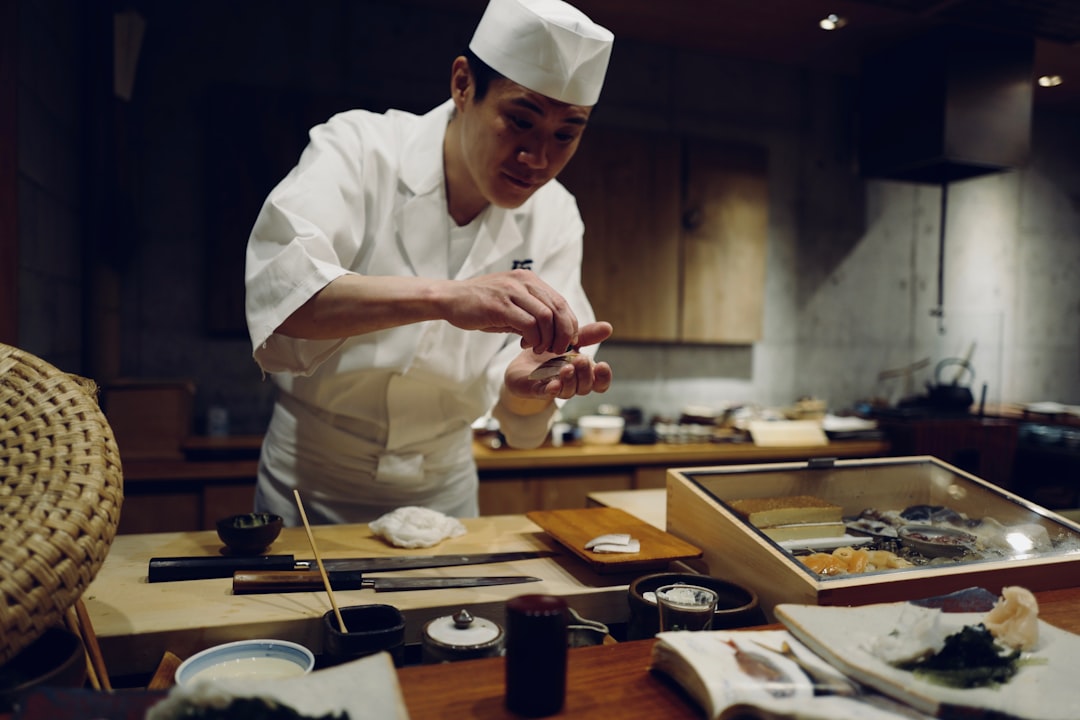

Photo by Thomas Marban on Unsplash
Why Tokyo Is the World Capital of Authentic Sushi
Few culinary experiences on earth rival sitting before a skilled itamae (sushi chef) in Tokyo, watching masterful hands transform the freshest fish into edible art. Tokyo is home to more Michelin-starred restaurants than any other city in the world, and sushi sits at the very heart of that achievement. Whether you are a first-time visitor or a seasoned Japan traveler, pursuing an authentic sushi experience in Tokyo is an absolute must — and this guide will walk you through everything you need to know to make it unforgettable.
Understanding the Types of Sushi Restaurants in Tokyo
Before you book a seat or walk through a noren curtain, it helps to understand the landscape of sushi dining in Tokyo. Not all sushi restaurants are created equal, and knowing the difference will shape your entire experience.
Omakase Sushi Restaurants
Omakase — meaning “I leave it up to you” — is the pinnacle of the authentic sushi experience. You sit at a small counter, often with just eight to twelve seats, and the chef curates every piece based on the day’s best ingredients and the season. The chef reads your pace, your preferences, and your reactions. There is no menu; there is only trust. These establishments range from eye-wateringly expensive temple-like spaces in Ginza to more affordable but equally skilled neighborhood counters in Shinjuku or Koenji.
Kaiten-Zushi (Conveyor Belt Sushi)
Do not dismiss conveyor belt sushi as a lesser experience. High-end kaiten-zushi chains in Tokyo source their fish with remarkable care, and the format is perfect for solo travelers or those on a budget. You can order specific items via tablet or simply grab plates as they glide past. It is casual, fun, and genuinely delicious.
Tachinomi Sushi Bars
Standing sushi bars, or tachinomi spots, are a beloved Tokyo tradition. Found near fish markets, train stations, and in older shitamachi neighborhoods, these compact counters serve fresh nigiri at incredible value. You stand, you eat, you leave — and you carry the memory for a lifetime.
Department Store and Market Sushi
Basement food halls (depachika) in Tokyo’s grand department stores like Isetan in Shinjuku or Mitsukoshi in Ginza offer outstanding takeaway sushi. For an ultra-fresh market experience, the outer market at Toyosu — Tokyo’s main fish market — is lined with sushi restaurants that serve some of the city’s most pristine seafood.
The Anatomy of Authentic Tokyo Sushi
Authentic Tokyo-style sushi is specifically called Edomae sushi, named after Edo (the historical name for Tokyo) and the Tokyo Bay (mae means “in front of”). This tradition, developed during the Edo period, is characterized by several distinctive elements that set it apart from sushi styles found elsewhere in Japan and the world.
Shari: The Sacred Rice
The rice — called shari — is arguably more important than the fish. Edomae sushi rice is seasoned with red vinegar (akazu), traditionally derived from sake lees, giving it a subtle reddish hue and a deeper, more complex flavor than white rice vinegar. A master chef obsesses over the temperature, texture, and vinegar ratio of the shari. It should be served at body temperature, feel light in the hand, and dissolve gently in the mouth.
Neta: Seasonal and Local Toppings
The fish and toppings, called neta, follow the seasons strictly. Spring brings hamaguri (clam) and sakura ebi (cherry blossom shrimp). Summer is the season for anago (sea eel) and ika (squid). Autumn delivers sanma (Pacific saury) and rich fatty tuna. Winter is celebrated with buri (yellowtail) and shirako (fish milt). A genuine omakase follows this seasonal rhythm without compromise.
The Aging and Preparation Techniques
Authentic Edomae sushi chefs apply traditional preservation and preparation techniques that transform raw ingredients into something deeply nuanced. Fish may be cured in kombu (kobujime), marinated in soy sauce (zuke), lightly seared, or carefully aged for days. These techniques are not shortcuts — they are centuries-old methods for enhancing flavor and honoring the ingredient.
Sushi Etiquette: How to Behave Like a Respectful Guest
Part of what makes an authentic sushi experience in Tokyo so special is the ritual surrounding it. Understanding and respecting the etiquette will deepen your experience and earn the warmth of your chef.
- Hands or chopsticks are both acceptable: Traditionally, nigiri sushi was eaten by hand. Many chefs still prefer this, as it preserves the shape of the rice. At a proper omakase counter, follow the chef’s lead.
- Eat each piece immediately: Nigiri is crafted to be eaten the moment it is placed before you. Letting it sit diminishes both texture and flavor.
- Dip fish-side down: When using soy sauce, dip the fish (neta) into the sauce, not the rice. The chef has already seasoned most pieces perfectly, so ask before adding soy sauce to any piece.
- Ginger is a palate cleanser: The pickled ginger (gari) served alongside sushi is meant to be eaten between different pieces to reset your palate, not piled onto your sushi.
- Refrain from strong perfume: A counter sushi restaurant is a space of subtle aromas. Strong perfume or cologne interferes with the sensory experience for you and other diners.
- Speak softly and be present: Put your phone away except for discreet photos. Engage with the chef. Ask questions. This interaction is part of the experience.
- Making reservations: For any omakase restaurant, reservations are essential and often required weeks or months in advance. Use a hotel concierge, a reservation service like Tableall or Omakase, or contact the restaurant directly.
The Best Neighborhoods for Authentic Sushi in Tokyo
Ginza
Ginza is Tokyo’s most glamorous district and home to some of the world’s most celebrated sushi counters. This is where you will find legendary masters with decades of experience and, accordingly, some of the highest price points. A meal here is a special occasion, and it deserves to be treated as one.
Tsukiji and Toyosu
The area around the old Tsukiji market and the newer Toyosu market remains Tokyo’s epicenter of fresh seafood culture. The outer market at Tsukiji still buzzes with activity and is lined with excellent, unpretentious sushi restaurants that have been serving market workers and food lovers for generations. This is an ideal place for an early morning sushi breakfast — a uniquely Tokyo ritual.
Shinjuku and Shibuya
These major commercial hubs offer a wide spectrum of sushi options, from stylish modern counters to affordable standing bars tucked under train tracks. The density and competition in these neighborhoods keeps quality high and prices accessible.
Koenji and Shimokitazawa
If you want to eat like a local away from tourist crowds, these bohemian west-side neighborhoods harbor small, family-run sushi restaurants where the chef is often the owner, the menu is handwritten, and the fish comes from the same market every morning. These hidden gems reward adventurous travelers.
What to Expect: A Typical Omakase Experience Step by Step
Arriving at your reservation, you will be greeted and shown to a counter seat. A warm towel (oshibori) and tea will be offered. The chef will introduce themselves and may briefly explain the day’s highlights. The meal typically begins with lighter items — perhaps a delicate hirame (flounder) or suzuki (sea bass) — gradually progressing to richer, more complex pieces like otoro (fatty bluefin tuna belly) and uni (sea urchin). A traditional miso soup with clams (asari) often marks the meal’s conclusion, followed by a simple dessert of fruit or house-made sweets. Sake, beer, or whisky highballs pair beautifully throughout.
Budget Guide: How Much Does Authentic Sushi Cost in Tokyo?
Authentic sushi in Tokyo spans a wide financial range. A standing sushi bar breakfast near Tsukiji can cost as little as 1,000–2,000 yen. Mid-range omakase counters in local neighborhoods typically run 8,000–20,000 yen per person. The elite Ginza counters and Michelin-starred establishments can reach 30,000–80,000 yen or more per person, sometimes including beverages. Value and authenticity are not synonymous with price — some of the most memorable sushi meals happen at humble counters where the chef has been perfecting their craft for thirty years and charges accordingly little.
Practical Tips for Planning Your Authentic Sushi Experience
- Book early: Top omakase restaurants fill up months in advance. Begin planning before you arrive in Japan.
- Communicate dietary restrictions: Do so at the time of booking, not on the day of. Shellfish and roe allergies in particular need to be communicated clearly.
- Learn a few Japanese words: Saying oishii (delicious) or arigatou gozaimasu (thank you very much) goes a long way in building rapport with your chef.
- Go hungry: An omakase course can include anywhere from twelve to twenty-five pieces plus appetizers. Arrive with a proper appetite.
- Explore beyond tuna: Bluefin tuna is magnificent, but the breadth of Edomae sushi — clams, shrimp, eel, mackerel, squid — is where true education and joy are found.
Final Thoughts: Sushi as a Living Cultural Art
An authentic sushi experience in Tokyo is not simply a meal. It is an encounter with a living culinary tradition refined over centuries, expressed through seasonal ingredients, extraordinary technique, and a deeply human connection between chef and guest. Whether you spend a fortune at a Ginza counter or a handful of coins at a Tsukiji standing bar, you are participating in something genuinely irreplaceable. Tokyo’s sushi culture is one of humanity’s great gifts to the table — and it is waiting for you, one perfect piece at a time.