Chasing the Spirit World: Where Does the Spirited Away Bathhouse Really Exist?
Few animated films have captured hearts quite like Studio Ghibli’s Spirited Away. At the center of this beloved story sits Aburaya, the sprawling, lantern-lit bathhouse where spirits come to soak away their worries. Ever since the film’s release, fans across the globe have asked one burning question: is there a real bathhouse in Japan that inspired this magical setting? The answer is wonderfully complicated. Hayao Miyazaki has never confirmed a single definitive source, explaining instead that the design was a collage of impressions gathered from various historic buildings, hot spring towns, and architectural styles found throughout Japan. That hasn’t stopped devoted fans from tracking down the places that most closely echo Aburaya’s spirit, and in this guide, we’ll explore the top real-life candidates you can actually visit.
Dogo Onsen Honkan: The Most Famous Contender
If you ask most Japan travel enthusiasts where the Spirited Away bathhouse is located, the answer they’ll give is Dogo Onsen Honkan in Matsuyama, Ehime Prefecture. This is arguably the most iconic bathhouse in all of Japan, with a history stretching back over a thousand years. Its multi-tiered wooden exterior, ornate rooftop details, and labyrinthine wooden corridors bear an uncanny resemblance to Aburaya’s grand facade.
- The building’s tower-like central structure mirrors the layered rooftops seen in the film.
- Dogo Onsen’s history as a bathing destination for legends, emperors, and even mythological creatures adds to its otherworldly aura.
- Visitors can still bathe in its mineral-rich waters today, making it one of the few candidate locations where you can experience an actual onsen soak.
While Studio Ghibli has never officially credited Dogo Onsen as the sole inspiration, the parallels are striking enough that it remains the top pilgrimage site for anime fans visiting Shikoku.
Jinbocho and Ginza: The Retro Shopping Arcade Connection
Beyond Dogo Onsen, some researchers point to the historic shopping streets of Tokyo, particularly around Jinbocho and Ginza, as inspiration for the film’s nostalgic Taisho and early Showa-era aesthetics. The wooden shopfronts, glass lanterns, and old-fashioned signage found in these districts strongly resemble the abandoned amusement park that Chihiro’s family stumbles into at the beginning of the movie.
Walking through these preserved retro streets in Tokyo gives visitors a tangible sense of the eerie, nostalgic atmosphere Miyazaki was channeling, even if the towering bathhouse itself isn’t physically present here.
Nikko Kanaya Hotel: Western Elegance Meets Japanese Tradition
Another frequently cited location is the historic Nikko Kanaya Hotel in Tochigi Prefecture, one of Japan’s oldest Western-style hotels. Its blend of Japanese craftsmanship with Western architectural touches, ornate wooden staircases, and old-world charm has led many fans to draw comparisons to the interior scenes of Aburaya, especially the grand staircases and richly decorated hallways where Chihiro navigates her new life as a bathhouse worker.
The hotel remains operational, allowing guests to stay overnight and soak in the same atmospheric halls that may have influenced the film’s interior design.
Yunotsu Onsen: A Sleepy Hot Spring Town with Ghibli Vibes
For travelers seeking a quieter, more authentic hot spring town experience reminiscent of the film’s setting, Yunotsu Onsen in Shimane Prefecture is a hidden gem. This small, traditional onsen town retains a look and feel largely unchanged for decades, with narrow streets, traditional ryokan inns, and a communal bathing culture reminiscent of the world Chihiro enters.
Unlike more commercialized hot spring resorts, Yunotsu offers a slower, more nostalgic experience, ideal for fans wanting to walk through streets that feel plucked straight from Miyazaki’s imagination.
Bukeyashiki Street in Kanazawa: Samurai District Charm
Kanazawa’s Bukeyashiki samurai district is another location fans often mention when discussing the film’s visual inspirations. While it doesn’t directly resemble the bathhouse itself, the preserved Edo-period streets, stone walls, and traditional wooden buildings evoke the same sense of stepping back in time that permeates the opening scenes of Spirited Away.
Debunking the Taiwan Myth
It’s worth addressing a popular misconception here: many travel articles and social media posts claim that Jiufen, a mountain town in Taiwan, was the direct inspiration for the bathhouse. This idea gained massive popularity online, largely due to the town’s lantern-lit streets and tea houses. However, Studio Ghibli has repeatedly stated this connection is unfounded. Miyazaki drew from Japanese, not Taiwanese, architectural traditions, and the resemblance is largely coincidental. While Jiufen is a beautiful destination in its own right, it should be appreciated as a unique Taiwanese cultural site rather than a literal recreation of the film’s setting.
Planning Your Own Spirited Away Pilgrimage
If you’re planning a trip to Japan inspired by Spirited Away, consider building an itinerary that includes several of these locations rather than searching for one single “real” bathhouse. Here’s a suggested approach:
- Start in Tokyo, exploring the retro shopping streets of Jinbocho for that nostalgic Taisho-era atmosphere.
- Travel to Nikko to stay at the historic Kanaya Hotel and admire its ornate interiors.
- Head to Shimane Prefecture to soak in the quiet, authentic charm of Yunotsu Onsen.
- Finish your journey in Matsuyama, Shikoku, with a relaxing soak at the legendary Dogo Onsen Honkan.
Each stop offers a different piece of the puzzle, helping you understand how Miyazaki wove together various real-world influences to create a bathhouse that feels both magical and deeply rooted in Japanese culture and history.
Why the Mystery Matters
Part of the enduring charm of Spirited Away lies in its refusal to be pinned down to a single real-world location. Miyazaki’s genius was in blending architectural memory, cultural nostalgia, and pure imagination into something that feels simultaneously familiar and fantastical. For travelers, this means the joy isn’t in finding one definitive answer, but in the journey of discovering how much of Japan’s real heritage, from ancient onsen towns to retro shopping streets, contributed to one of animation’s most beloved settings.
Whether you’re a lifelong Ghibli fan or simply a curious traveler, tracing these real-life locations offers a wonderful excuse to explore lesser-known corners of Japan, soak in centuries-old hot springs, and experience the same sense of wonder that Chihiro felt when she first stepped into the world of spirits.
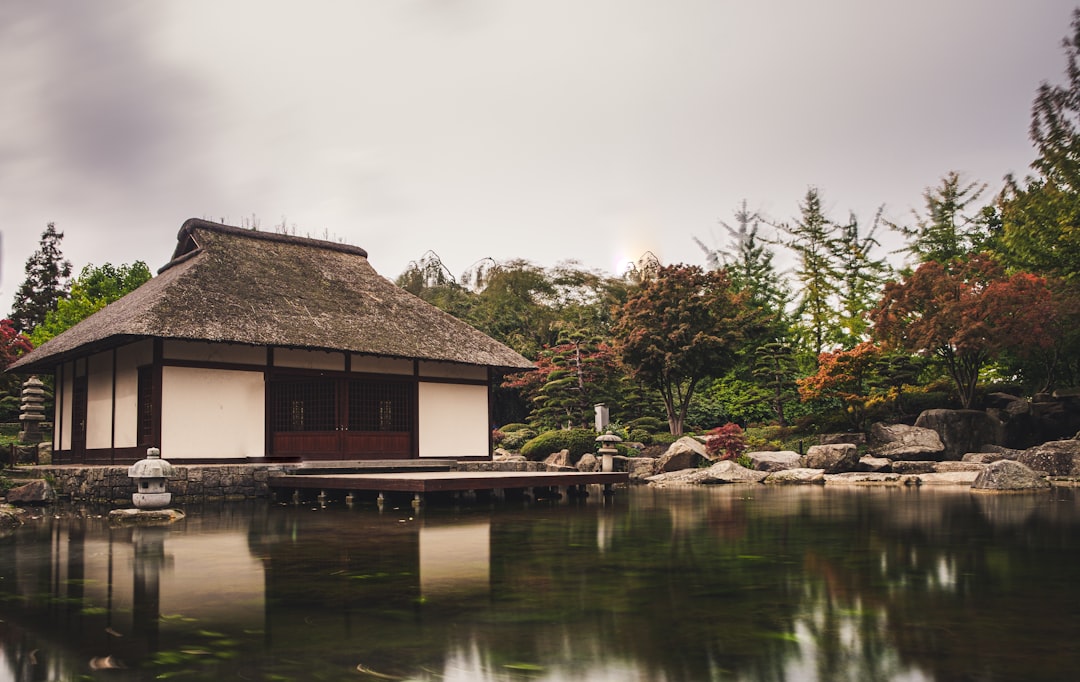
Photo by Moritz Kindler on Unsplash