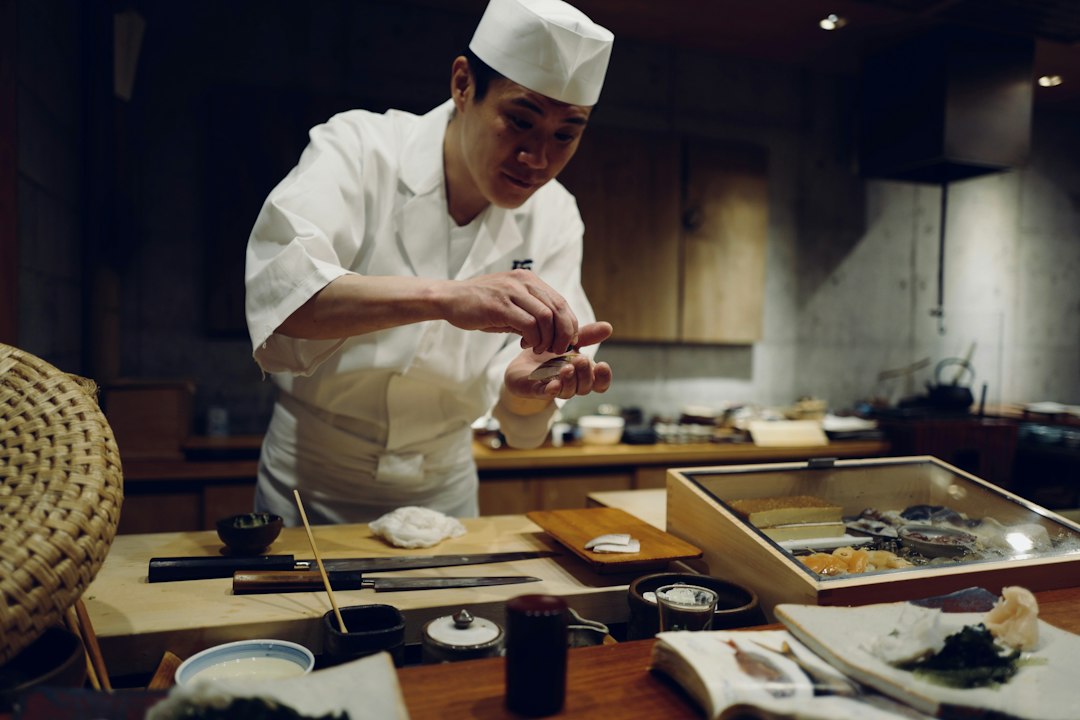
The fastest way to book a good beginner tempura class in Tokyo: pick a small-group studio in Asakusa or Tsukiji, confirm the class is taught in English (not just translated by Google Translate on a printout), and budget ¥8,000–13,000 per person for a 2.5–3 hour session that includes shrimp, seasonal vegetables, rice, and miso soup. Classes run almost every day of the week, usually with a 10:30am and a 2:00pm slot, and the good ones fill up 1–2 weeks ahead during spring (March–April) and autumn (October–November) when tourist numbers spike. That’s the short version. Here’s what you actually need to know before you hit “book now.”
What Actually Happens in a Beginner Tempura Class
Tempura looks simple from the outside — batter, dunk, fry — but the technique is unforgiving if nobody corrects your mistakes, which is exactly why a hands-on class is worth the money rather than just watching a YouTube video. In a typical lesson at a studio like Cooking Sun in Shibuya or Mari’s Tokyo Kitchen in Asakusa, the instructor starts by explaining why tempura batter is mixed with ice-cold water and barely stirred — overmixing develops gluten and you end up with a doughy, bread-like coating instead of the shattering, lacy crust tempura is supposed to have. You’ll usually work with a mix of cake flour and all-purpose flour (sometimes a pre-blended tempura-ko), and the instructor will check your batter by eye before you’re allowed near the oil.
The oil temperature is the second technical hurdle. Most studios keep the fryer between 170°C and 180°C and teach you to test it by dropping a bit of batter in — if it sinks and slowly rises, the oil’s ready; if it sizzles violently on contact, it’s too hot and will burn the coating before the shrimp inside cooks through. You’ll typically fry shrimp (ebi), and a rotating selection of seasonal vegetables — kabocha pumpkin, shiso leaf, lotus root, shiitake mushroom, sweet potato, and green beans are common depending on the month. A good instructor corrects your dipping technique in real time: hold the shrimp by the tail, drag it through the batter at an angle, and lower it into the oil away from your body, not dropped straight down (which splashes hot oil).
Where to Take a Class: Asakusa vs. Tsukiji vs. Shibuya
Location matters more than people expect because it determines what else you can bundle into the morning. Asakusa studios are the most common choice for first-timers because you can combine the class with a walk through Kappabashi Kitchen Town (the strip of restaurant-supply shops near Tawaramachi Station on the Ginza Line, about a 7-minute walk from Asakusa Station) to buy your own tempura chopsticks or a frying thermometer afterward. Asakusa Station itself is served by the Ginza Line, Asakusa Line, Tobu Skytree Line, and the Tsukuba Express, so it’s reachable in under 20 minutes from most central Tokyo hotels.
Tsukiji-based classes, often run near Tsukiji Station (Hibiya Line, exit 1, roughly a 3-minute walk) or Tsukijishijo Station (Oedo Line), tend to pair the cooking session with an early visit to Tsukiji Outer Market (Jogai Shijo), which opens around 5am and is busiest 7am–10am. If you want to pick your own shrimp and vegetables from a market stall before frying them an hour later, this is the version to book — just know it means a 7am start, not a leisurely late-morning class.
Shibuya and Shinjuku studios, including larger operators like Buena Vista, tend to run bigger group sizes (sometimes 8–12 people rather than 4–6) and are more convenient if your hotel is in west Tokyo, but you lose the market-and-cook combo experience that makes the Tsukiji and Asakusa options feel more memorable.
What a Class Actually Costs
Prices cluster in a predictable range: ¥7,000–9,000 for a basic shared class without a market visit, ¥10,000–13,000 for a class bundled with a Tsukiji market tour, and ¥15,000+ for private or semi-private sessions booked through platforms like Airbnb Experiences, Klook, or Voyagin. Kids under 12 are often discounted 30–50%, and most studios cap class size at 6–8 people specifically so the instructor can correct everyone’s batter and oil technique individually — if a listing says “up to 15 participants,” expect less hands-on correction and more demonstration-watching.
Booking Logistics and What to Bring
Book directly through the studio’s website when possible — fees are usually lower than going through a third-party platform, though platforms like Klook sometimes run discount codes worth checking first. Confirm three things before paying: whether the class is conducted in English or through an interpreter, whether ingredients are halal/vegetarian-adjustable (most studios can swap shrimp for extra vegetables or tofu with 48 hours’ notice), and whether you take home what you cook or eat it on-site as a full meal with rice and miso soup included.
- Wear closed-toe shoes — hot oil splatter is a real risk and sandals aren’t allowed near the fryer in most studios.
- Tie back long hair; aprons are provided but hair ties usually aren’t.
- Arrive 10 minutes early — most studios are in residential buildings or small shopfronts with no signage visible from the main street, and instructions to find the entrance are usually emailed only after booking.
- Bring cash (¥1,000–3,000) for optional add-ons like extra sake pairing or a printed recipe booklet, which many smaller studios don’t accept by card.
Common Beginner Mistakes the Instructors Actually Flag
Across the classes I’ve sat through, the same corrections come up repeatedly: people overmix the batter because stirring feels productive, people crowd the fryer with too many pieces at once (which drops the oil temperature and makes everything greasy instead of crisp), and people flip the tempura too often instead of letting each side set for 60–90 seconds before turning once. The other recurring issue is salting — a lot of first-timers assume tempura needs soy-based tentsuyu dipping sauce exclusively, when most instructors will also show you how to eat it with just a pinch of matcha salt (matcha-jio), which is actually the more traditional pairing for delicate vegetables like shiso or sweet potato.
One Thing to Know Before You Book
If you’re traveling with a tight schedule, don’t assume you can walk in same-day — the smaller studios (4–6 person capacity) that give the best hands-on correction are also the ones that sell out fastest, sometimes a full week ahead for weekend morning slots. If your trip dates are flexible, Tuesday through Thursday classes have noticeably more last-minute availability than Friday–Sunday sessions. And if anyone in your group has a shellfish allergy, mention it when booking rather than at check-in — several studios fry shrimp and vegetables in the same oil batch for efficiency, which isn’t something they’ll necessarily volunteer unless you ask directly.
Photo by Thomas Marban on Unsplash