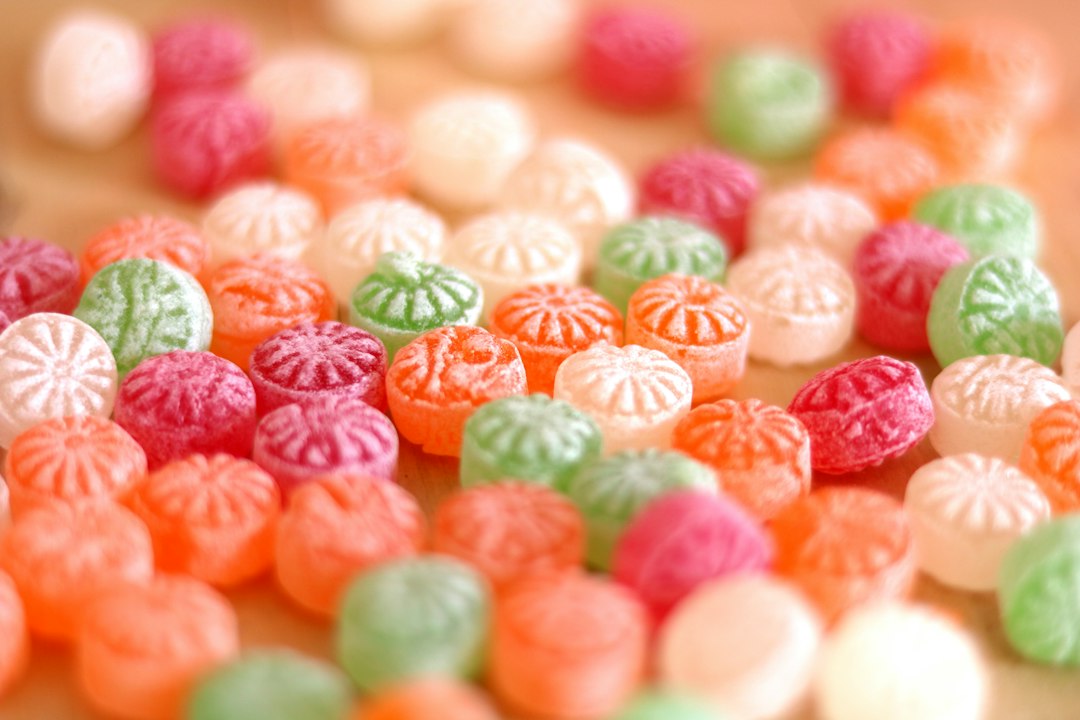
If you want actual Showa-era dagashiya (駄菓子屋, penny candy shops) still operating as working businesses rather than museum reconstructions, go to three places in this order: Tenjinbashisuji Shotengai in the late morning, Janjan Yokocho in Shinsekai after lunch, and Nakazakicho in the early evening before shops close around 6pm. Bring coins — most items run ¥10 to ¥150, and almost none of these shops take IC cards like ICOCA, let alone credit cards.
Tenjinbashisuji Shotengai: the longest arcade hides the oldest shops
Tenjinbashisuji Shotengai runs 2.6km from Osaka Tenmangu Station (JR Tozai Line) down to Tenjinbashisuji-Rokuchome Station, where the Midosuji, Sakaisuji, and Tanimachi subway lines all meet. It’s billed as Japan’s longest covered shopping street, and most of it is modern pharmacies and ¥100 shops now, but around the Tenjinbashisuji 3-chome block — a five-minute walk south from Minami-Morimachi Station — a couple of dagashiya have survived by selling the same inventory they had forty years ago. Look for hand-written paper price tags, glass jars of Fusen Ramune gum (about ¥20 each), and bundles of Umaibo corn puffs at roughly ¥12. These places open around 10am and tend to shut by 7pm, earlier if the owner is tired — there’s no posted holiday schedule, which is itself a very Showa-era way of running a shop. The Tenjin Matsuri festival in late July brings a surge of kids buying candy here before the fireworks, so if you want to browse without a crowd, go on a weekday morning instead.
Shinsekai and Janjan Yokocho: candy next to the kushikatsu stalls
Dobutsuen-mae Station (Midosuji, Sakaisuji, and Sennichimae lines) puts you one minute from the covered alley called Janjan Yokocho, right under the Tsutenkaku Tower. This is the neighborhood people associate with kushikatsu and cheap shogi parlors, but tucked between the skewer counters are a couple of stalls selling Siberia — a retro sandwich sweet made of yokan (sweet bean jelly) pressed between two slices of castella sponge cake, usually priced around ¥250 to ¥300 a slice. It’s not technically a children’s dagashi, but it’s the same postwar-era confectionery culture, and it tastes nothing like modern convenience-store sweets. A few steps further you’ll find glass-case shops selling Choco Bat, Baby Star ramen snacks, and Fruit Kator hard candy in the same wax-paper wrapping they’ve used for decades. Shops here generally run 11am to 9pm, later than Tenjinbashisuji because the area stays lively into the evening with the Tsutenkaku light show.
Nakazakicho: candy inside a converted machiya
Nakazakicho is one subway stop (Tanimachi Line) or a 10-minute walk from Osaka Station/Umeda, and it’s known mostly for vintage clothing and slow-coffee cafes set inside old wooden machiya houses. One of those machiya near the Okawa River side of the neighborhood has been turned into a shop that stocks both Showa-era dagashi and the cheap plastic toys that used to come bundled with them — menko cards, small kendama, and bromide-style photo cards of old tokusatsu characters. Hours are shorter here, typically noon to 6pm, and several shops close on Mondays and Tuesdays, so check before making this the only stop on your list. The appeal of Nakazakicho isn’t volume — it’s atmosphere; you’re buying ¥30 candy while standing on worn tatami flooring under a low wooden ceiling, which Tenjinbashisuji and Shinsekai, being full retail streets, don’t really give you.
What to actually buy
- Umaibo — corn puff sticks in flavors like mentai mayo and cheese, around ¥12 each, the baseline currency of dagashi culture
- Fusen Ramune — bubblegum shaped like tiny ramune soda bottles, roughly ¥20
- Baby Star Ramen — dry instant-noodle snack eaten straight from the bag, ¥50-70
- Choco Bat — chocolate-dipped wafer sticks shaped like bats, nostalgic packaging largely unchanged since the 1970s
- Siberia cake — not cheap by dagashi standards but worth the ¥250-300 in Shinsekai specifically
- Menko cards and small tin toys — not edible, but sold at the same counters and genuinely used by kids decades ago
Practical notes before you go
Carry small coins — ¥10, ¥50, and ¥100 pieces — because shopkeepers often don’t keep much change for ¥1,000 notes, and asking them to break a bill for a ¥12 purchase is awkward. None of these shops have English signage, so pointing at jars works fine; owners are used to tourists doing exactly that, especially around Shinsekai. If you’re combining this with a food crawl, eat kushikatsu first and save the candy for dessert — the shops in Janjan Yokocho stay open later than the Tenjinbashisuji ones, so doing it in reverse order means rushing.
One thing to know before you plan the trip
These shops are run mostly by elderly owners, and a few close permanently every year without much notice — there’s no central registry or association announcing closures, so an address that worked when a blog post was written two years ago can be a shuttered storefront today. If a specific shop is the entire reason for your trip, it’s worth calling ahead or checking recent Japanese-language reviews on Google Maps rather than relying on any single write-up, this one included. Treat the three neighborhoods above as reliable hunting grounds rather than guaranteed addresses, and you’ll still come away with a bag of ¥10 candy and a better sense of what Osaka’s shopping streets looked like before convenience stores took over.
Photo by Customerbox on Unsplash