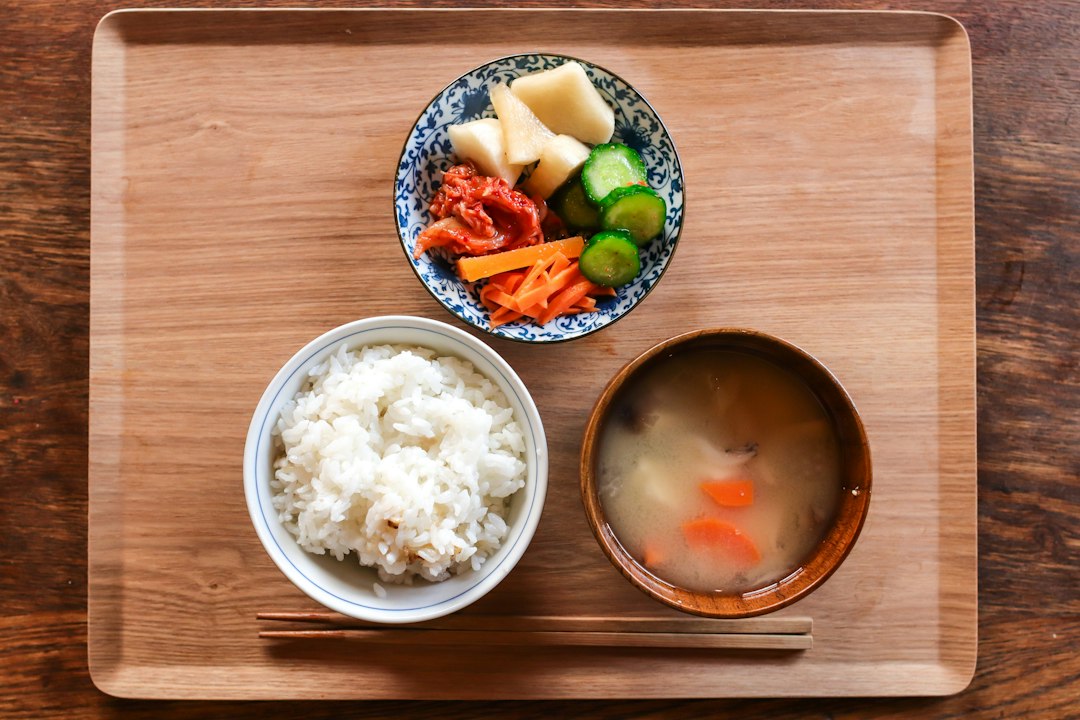
If you book a ryokan plan listed as “asa-shoku tsuki” (breakfast included) at the cheaper end of the market, don’t expect a hot, course-by-course kaiseki — you’ll get a lacquered tray with 8-10 small dishes already plated, served in a dining hall between roughly 7:30 and 9:00 AM. The phrase “seasonal kaiseki breakfast” actually covers three very different experiences depending on what you pay, and knowing the difference before you book saves you from either overpaying for a tray breakfast or underpaying and missing the in-room, course-timed version you pictured.
## What “Seasonal Kaiseki Breakfast” Actually Means at a Ryokan
Kaiseki at breakfast is a lighter, simplified cousin of the multi-hour kaiseki dinner. It still follows the seasonal logic (shun) — using whatever’s at peak that week, pulled from a set rotation that changes roughly every two weeks — but it’s compressed into 30-45 minutes of eating time because guests have check-out and trains to catch. At Yunoyado Motoyu in Kinosaki Onsen (Hyogo), for example, the winter breakfast tray includes a small bowl of crab miso soup and grilled Wakasa-bay fish, while the same seat in June gets ayu (sweetfish) and a dashimaki tamago with fresh myoga. That’s the baseline version. Mid-range and luxury properties build on this with warm dishes brought out in sequence, a dashi course, and sometimes a nabe pot lit tableside.
## Budget-Tier Ryokan (¥10,000–¥15,000 per person, room only or breakfast-included)
At this tier — think family-run onsen ryokan in hot spring towns like Kinosaki Onsen or Shuzenji — the “kaiseki breakfast” is a fixed tray assembled in the kitchen before service starts. You’ll sit in a shared dining hall (often the same room used for dinner the night before) at an assigned time slot, usually a choice between 7:30 or 8:30. Dishes commonly include onsen tamago, grilled fish, a small hot pot of tofu, pickles, rice, and miso soup — 8 to 10 items total, portioned small. The seasonal rotation exists but it’s modest: expect one or two dishes to change with the month rather than the whole tray.
### Best for (budget tier):
- Solo travelers or couples on a 1-2 night onsen town stopover
- Anyone prioritizing the bath (onsen) experience over the meal
- Guests with an early train to catch — fixed time slots keep things efficient
- Not ideal if you want dishes served warm course-by-course
## Mid-Range Ryokan (¥20,000–¥35,000 per person, 1 night 2 meals plan)
This is where “seasonal kaiseki breakfast” starts to mean what the phrase implies. At Kai Kaga (Hoshino Resorts) in Awazu Onsen, Ishikawa, breakfast is served in a private dining room or at your in-room table, brought out in three to four waves rather than all at once: a simmered dish first, then grilled fish, then a rice course cooked to order (often tai meshi — sea bream rice — or a seasonal okayu porridge, with nanakusagayu specifically served around January 7th for the Nanakusa tradition). Reservation plans here usually list a specific breakfast time window you choose at booking, typically between 7:00 and 9:30, and the kitchen adjusts the menu roughly every two weeks based on what’s coming in from local fish markets and farms.
### Best for (mid-range tier):
- Travelers who want a genuine course-by-course breakfast without luxury pricing
- Families — most mid-range ryokan offer a simplified kids’ tray on request
- Anyone staying in a hot spring resort town for 2+ nights who wants the meal to be part of the experience, not just fuel
- Not ideal for solo budget travelers — the two-meal plan pricing assumes you’ll eat both dinner and breakfast on-site
## Luxury Ryokan (¥60,000–¥150,000+ per person, multi-course kaiseki both meals)
At properties like Gora Kadan in Hakone (Kanagawa) or Tawaraya on Fuyacho-dori in Kyoto’s Nakagyo Ward, breakfast kaiseki is treated with nearly the same ceremony as dinner. Service is in your room or a private alcove, paced over 60-90 minutes, with 6-8 courses: a chilled seasonal appetizer, a simmered dish (nimono), grilled or charcoal-cooked fish specific to the region, a steamed egg custard (chawanmushi), a rice course cooked in an individual earthenware pot, and dessert — often seasonal fruit rather than anything sweet. The ingredient sourcing is hyper-local and specific: Gora Kadan’s breakfast menu changes with what’s available from Hakone’s mountain vegetable suppliers and Sagami Bay fishing boats, and staff will describe each dish’s origin as it’s served. Check-in at these properties is often from 3:00 PM and checkout as late as 12:00 PM, which gives the breakfast service room to breathe rather than being rushed before an 11 AM checkout.
### Best for (luxury tier):
- Anniversary trips, honeymoons, or a once-a-trip splurge night
- Travelers who want the meal itself to be the main activity of the morning, not a quick stop before checkout
- Guests who want privacy — courses served in-room, no shared dining hall
- Not practical for short stopovers or if you’re traveling with young kids who won’t sit through a 90-minute meal
## Comparison Table
| Item | Budget Ryokan | Mid-Range Ryokan | Luxury Ryokan |
|---|---|---|---|
| Price range (per person/night) | ¥10,000–¥15,000 | ¥20,000–¥35,000 | ¥60,000–¥150,000+ |
| Breakfast service style | Pre-plated tray, shared dining hall | 3-4 course sequence, private or semi-private room | 6-8 course sequence, fully private, in-room |
| Number of dishes | 8-10, mostly fixed | 10-14, partial seasonal rotation | 12-18, full seasonal rotation |
| Seasonal menu change frequency | Occasional (1-2 dishes/month) | Every 2 weeks | Weekly or by ingredient availability |
| Typical breakfast time slot | Fixed, 7:30 or 8:30 | Chosen window, 7:00-9:30 | Flexible, paced to guest, often 8:00-10:00 |
| Best for | Short onsen stopovers, solo/budget travelers | Families, 2+ night resort stays | Special occasions, slow mornings |
**Ready to compare actual availability and current rates?** Check live pricing and room plans for these tiers on Rakuten Travel or Jalan before booking — seasonal kaiseki plans sell out first at mid-range and luxury properties, sometimes 4-6 weeks ahead during peak seasons like autumn foliage (late October to mid-November) and New Year.
## How the Seasonal Menu Actually Shifts Through the Year
It helps to know what you’re likely to see on the tray depending on when you go. Spring (March-April) brings sakura shrimp and bamboo shoot dishes; early summer (June) brings ayu and myoga; autumn (October-November) brings matsutake mushroom in a dobin-mushi clear broth, sometimes even at breakfast in mid-range and luxury properties; winter (December-February) brings crab (especially in Hyogo and Ishikawa properties near the Sea of Japan) and the nanakusagayu porridge around January 7th specifically. If a specific seasonal ingredient is the reason you’re booking — say, you want to time a stay around matsutake season — call the ryokan directly rather than relying on the online booking description, since availability depends on that week’s market supply, not a fixed calendar date.
## Booking Tips That Actually Matter
- Plan codes matter: look for “1泊2食付” (one night, two meals) versus “朝食のみ” (breakfast only) in the plan name — these are not the same price tier and mixing them up is the most common booking mistake.
- Confirm your breakfast time slot at check-in, not at booking — ryokan staff often reassign slots the evening before based on how many guests are checking out early.
- Dietary restrictions (shellfish allergies, vegetarian) need to be flagged at least 3 days before arrival for mid-range and luxury properties — the morning kaiseki is often prepared the night before for the fish components, so last-minute changes aren’t always possible.
- If you’re staying at a hot spring town for the bathing more than the food, the budget tier genuinely delivers better value — you’re paying for the onsen, not the tray.
## One Thing to Watch For
Don’t skip the pre-dinner the night before to “save room” for the morning kaiseki — portions are deliberately generous at both meals, and most guests find the combined 1-night-2-meal plan is more food than a typical breakfast-only traveler is used to. If you’re trying to fit in a big lunch in town the same day you check out, consider the breakfast-only budget plan instead, or ask the ryokan if they can serve a lighter version — some will accommodate this if you mention it at check-in rather than assuming it’s fixed.
Photo by Takafumi Yamashita on Unsplash