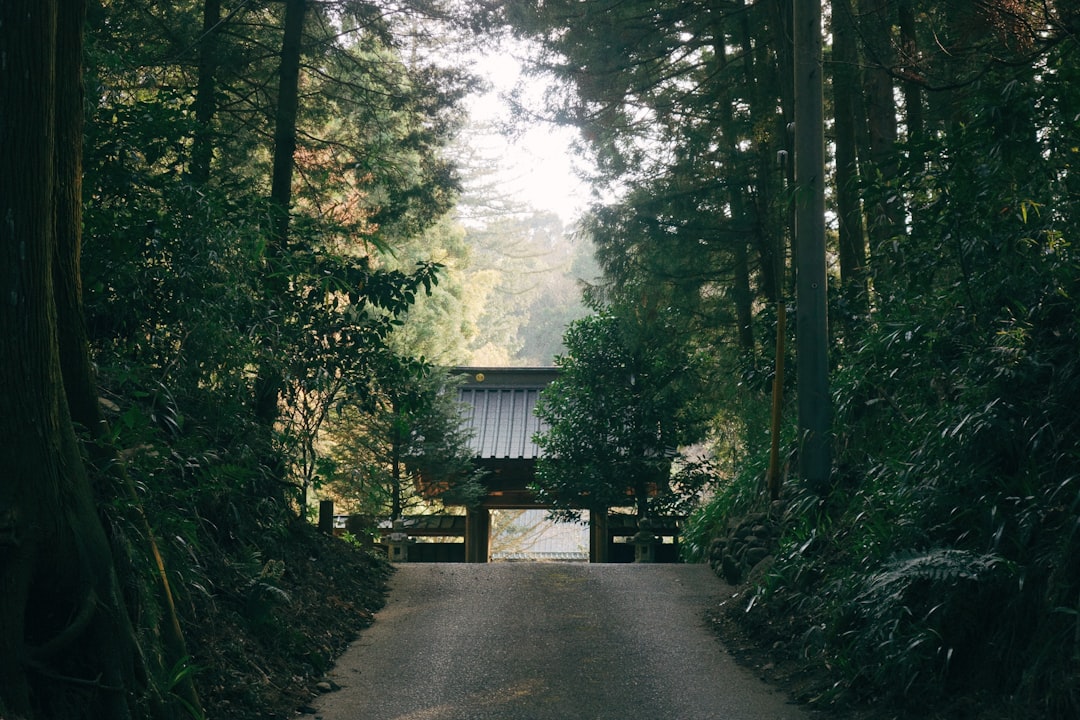
Discover the Quiet Side of Japan’s Mountain Country
When most travelers think of Yamanashi Prefecture, they picture the iconic silhouette of Mount Fuji rising above Lake Kawaguchiko, framed by cherry blossoms or autumn foliage. But beyond the postcard views lies a quieter, wilder Yamanashi — one defined by forested ridgelines, hidden hot springs, and remote mountain lodges where the loudest sound at night is the wind moving through cedar trees. For travelers seeking genuine disconnection from urban life, remote mountain retreat stays in Yamanashi Prefecture offer some of the most rewarding escapes in all of Japan.
This guide explores why Yamanashi has become a favorite among those craving solitude, what kinds of accommodations you can expect, and how to plan a mountain retreat that fits your pace, whether you want rustic simplicity or refined comfort deep in the hills.
Why Yamanashi Prefecture is Japan’s Premier Mountain Retreat Destination
Yamanashi sits landlocked in central Japan, surrounded by the Southern Japan Alps, the Yatsugatake mountain range, and the northern slopes of Mount Fuji itself. This geography makes it one of the most mountainous prefectures in the country, and unlike more famous alpine regions, much of Yamanashi remains delightfully uncrowded.
Proximity to Mount Fuji Without the Crowds
While the Fuji Five Lakes area draws significant tourism, venture just a little further into the surrounding hills and forests, and the crowds thin dramatically. Many remote retreats sit within view of Fuji’s peak yet feel worlds away from the tour buses, offering front-row sunrise views over breakfast on a private veranda.
Diverse Alpine Landscapes
From the granite peaks of the Southern Alps to the rolling highlands of Kiyosato, Yamanashi’s terrain varies dramatically within short distances. This diversity means retreat-goers can choose between dense forest seclusion, open highland meadows, or riverside valleys depending on their mood.
Onsen Culture in the Mountains
Few things pair better with mountain isolation than a steaming natural hot spring. Yamanashi is dotted with small, often unmarked onsen ryokan tucked into valleys, many fed by mineral-rich waters said to soothe muscles after a day of hiking or simply melt away stress accumulated from city life.
Types of Remote Mountain Accommodations in Yamanashi
Traditional Ryokan Hidden in the Hills
Some of the most memorable stays are found in small, family-run ryokan accessible only by narrow mountain roads. These inns typically feature tatami rooms, futon bedding, communal or private onsen baths, and multi-course kaiseki dinners built around seasonal, locally foraged ingredients like mountain vegetables, river fish, and wild mushrooms.
Rustic Log Cabins and Cottages
For travelers who want more independence, self-contained log cabins scattered through Yamanashi’s forested areas offer a wonderful balance of comfort and wilderness. Many come equipped with wood-burning stoves, private decks, and kitchenettes, making them ideal for longer stays or digital detox retreats.
Forest Glamping Sites
Glamping has grown steadily in popularity across Yamanashi’s highlands, particularly around Kiyosato and Hokuto. These sites combine the atmosphere of camping — canvas tents, campfires, starry skies — with the comfort of proper beds, heating, and sometimes even ensuite bathrooms.
Family-Run Minshuku
Minshuku, Japan’s answer to the humble guesthouse, are common in smaller mountain villages. Staying at one means home-cooked meals, warm hospitality, and often fascinating conversations with hosts who have lived in the mountains for generations.
Best Areas for Remote Mountain Retreats in Yamanashi
Kiyosato Highlands
Sitting at around 1,200 meters above sea level, Kiyosato is known for its cool climate, pastoral scenery, and clear night skies perfect for stargazing. Numerous lodges and cabins here cater specifically to travelers seeking quiet, slow-paced getaways.
Nemba Onsen
Tucked deep within a forested valley, Nemba Onsen is one of Yamanashi’s most secluded hot spring areas. Reaching it typically requires a scenic drive along winding mountain roads, but the reward is a handful of tranquil ryokan built directly beside a rushing river.
Oshino and the Villages Around Fuji’s Northern Base
Just beyond the famous Oshino Hakkai ponds, smaller villages offer traditional farmhouse stays and mountain lodges with unobstructed views of Fuji, away from the main tourist circuit.
Minobu and the Southern Alps Foothills
Home to the sacred Mount Minobu and centuries-old temples, this region blends spiritual retreat with mountain solitude. Nearby lodges often incorporate elements of temple lodging, known as shukubo, including simple vegetarian meals and early morning meditation sessions.
Hakushu Forest Area
Famous for its pristine natural spring water, Hakushu’s dense forests house a number of boutique cabins and eco-lodges designed to blend seamlessly into the surrounding woodland.
What to Expect: The Remote Retreat Experience
Forest Bathing (Shinrin-yoku)
Many retreats in Yamanashi are located near designated forest bathing trails, where visitors are encouraged to slow down, breathe deeply, and engage all five senses with the natural environment. Research increasingly supports what locals have known for generations: time spent among trees genuinely reduces stress and improves mood.
Stargazing in High Altitude
Thanks to minimal light pollution and high elevations, Yamanashi’s mountain areas offer some of the clearest night skies in Japan. Many lodges provide telescopes or simply encourage guests to step outside after dark for uninterrupted views of the Milky Way.
Seasonal Nature Walks
Each season transforms the mountains differently — vivid greenery and wildflowers, deep autumn color, or quiet snow-draped forests — making a remote Yamanashi retreat rewarding no matter when you visit.
Local Mountain Cuisine
Expect hearty, seasonal dishes built around ingredients foraged or grown locally: hoto noodle stew, wild mountain vegetables called sansai, freshwater fish, and local wines from Yamanashi’s renowned vineyards, which thrive in the region’s mountain valleys.
Planning Your Escape: Practical Tips
- Rent a car if possible — many of the most remote lodges are difficult or impossible to reach by public transport.
- Book well in advance, especially for small ryokan with limited rooms.
- Pack layers, as mountain temperatures can shift significantly between day and night regardless of season.
- Confirm whether meals are included, as many remote lodges are far from restaurants or shops.
- Ask about onsen etiquette in advance if visiting a traditional ryokan for the first time.
- Consider multi-night stays to fully embrace the slower pace these retreats are designed for.
Getting There
Most remote mountain retreats in Yamanashi are accessible via the Chuo Expressway from Tokyo, typically within a two to three hour drive depending on the destination. Regional train lines connect to larger towns like Kofu, Otsuki, and Kobuchisawa, from which local buses or arranged pickups can bring guests the rest of the way into the mountains.
Final Thoughts
Remote mountain retreat stays in Yamanashi Prefecture offer something increasingly rare: genuine stillness. Away from neon lights and crowded streets, these lodges, cabins, and ryokan invite travelers to reconnect with nature, slow their pace, and rediscover the simple pleasures of hot spring waters, home-cooked meals, and star-filled skies. Whether you’re planning a solo digital detox, a romantic escape, or a family adventure surrounded by alpine scenery, Yamanashi’s hidden mountain corners are ready to welcome you into a world that feels wonderfully far from everything else.
Photo by Anne Laure P on Unsplash