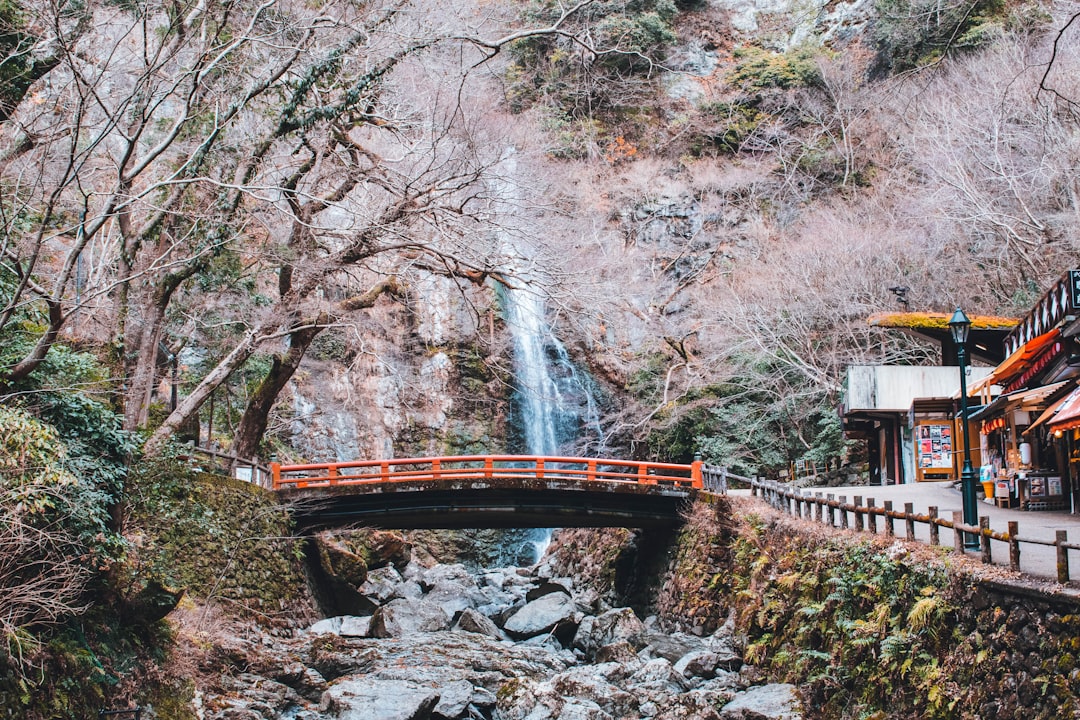

Photo by Roméo A. on Unsplash
Nestled in the mountains north of Tokyo, Nikko is one of Japan’s most rewarding destinations for travelers who want to combine spiritual heritage with outdoor adventure. Home to a UNESCO World Heritage Site of shrines and temples, as well as dramatic waterfalls and alpine trails around Lake Chuzenji, Nikko offers a rare blend of culture and nature within a single day trip or weekend escape. This guide walks you through everything you need to know to explore Nikko’s World Heritage shrines and enjoy unforgettable waterfall hikes.
Why Nikko Belongs on Your Japan Itinerary
Nikko has been a center of religious devotion for over a thousand years, ever since the Buddhist monk Shodo Shonin founded a temple here in the 8th century. The town rose to national prominence in the 17th century when Tokugawa Ieyasu, the founder of the Tokugawa shogunate, was enshrined at Nikko, transforming it into one of Japan’s most important pilgrimage sites. Today, the “Shrines and Temples of Nikko” are recognized as a UNESCO World Heritage Site, comprising 103 buildings within two shrines and one temple, surrounded by ancient cedar forests. Beyond the historical core, Nikko National Park extends into the mountains, offering hiking trails, hot springs, and some of Japan’s most photographed waterfalls.
Getting to Nikko
Nikko is easily accessible from Tokyo, making it a popular day trip destination. The most convenient route is the Tobu Railway’s direct trains from Tokyo Asakusa Station, which take around two hours. Alternatively, you can take the JR Shinkansen to Utsunomiya and transfer to a local JR line, which is slightly faster but requires a transfer. Many travelers opt for a discount pass, such as the Tobu Nikko Pass, which bundles round-trip train fare with unlimited local bus rides around Nikko’s attractions, including the shrine area and Lake Chuzenji.
Exploring the World Heritage Shrines and Temples
Toshogu Shrine
Toshogu Shrine is the crown jewel of Nikko and the mausoleum of Tokugawa Ieyasu. Unlike the understated elegance typical of Shinto shrines, Toshogu is lavishly decorated with intricate carvings, gold leaf, and vivid colors. Look for the famous “Three Wise Monkeys” carving representing “see no evil, hear no evil, speak no evil,” as well as the sleeping cat carving and the impressive Yomeimon Gate, often called the “Gate of Sunlight.” Plan to spend at least 90 minutes exploring the complex, and consider hiring an audio guide or joining a guided tour to fully appreciate the symbolism behind each structure.
Futarasan Shrine
Just a short walk from Toshogu, Futarasan Shrine is one of the oldest structures in Nikko, dedicated to the deities of the surrounding sacred mountains, including Mount Nantai. Its quieter, more traditional atmosphere offers a nice contrast to the ornate Toshogu.
Rinnoji Temple
Rinnoji Temple is Nikko’s principal Buddhist temple and houses the Sanbutsudo Hall, home to three large gilded Buddhist statues. The temple’s Shoyoen Garden is also worth a visit, particularly in autumn when the maple leaves turn brilliant shades of red and orange.
Shinkyo Bridge
Before or after visiting the shrine complex, stop by Shinkyo Bridge, a vermilion-lacquered bridge spanning the Daiya River. According to legend, this is the spot where Shodo Shonin crossed the river on the backs of two serpents. It’s one of the most photographed spots in Nikko and marks the traditional entrance to the sacred shrine precinct.
Waterfall Hiking in Nikko: Kegon Falls and Beyond
Once you’ve soaked in the cultural heritage of the shrine area, head deeper into Nikko National Park for its natural wonders. The bus ride up into the mountains along the famous Irohazaka Winding Road is an attraction in itself, featuring dozens of sharp switchbacks with panoramic views.
Kegon Falls
Kegon Falls is Nikko’s most famous waterfall, plunging about 97 meters from the edge of Lake Chuzenji. An elevator (small fee required) takes visitors down to an observation platform for a close-up view of the thundering cascade. The free upper viewing platform also offers impressive views and is a good option if you’re short on time or budget.
Ryuzu Falls
A short bus ride or moderate hike from Kegon Falls brings you to Ryuzu Falls, a gentler, wider cascade named for its resemblance to a dragon’s head. The area around the falls has walking paths, a rest area, and small food stalls serving local specialties like grilled fish and soba noodles.
Yutaki Falls and the Senjogahara Marshland Trail
For a more immersive hiking experience, head to Yumoto Onsen area and hike to Yutaki Falls, a wide, powerful waterfall fed by the hot spring waters of Lake Yunoko. From here, many hikers continue onto the Senjogahara Marshland Trail, a relatively flat and easy boardwalk trail through wetlands, forests, and open plains with views of Mount Nantai. This trail is particularly beautiful in autumn when the grasses turn golden, and in early summer when wildflowers bloom.
Lake Chuzenji Loop
If you have more time, consider hiking sections of the trail circling Lake Chuzenji, Japan’s highest lake at its elevation, formed by a volcanic eruption of Mount Nantai centuries ago. The lakeside paths offer serene views of the water framed by forested mountains, especially stunning during the autumn foliage season.
Best Time to Visit Nikko
Nikko is a rewarding destination throughout the year, though each season offers a distinct experience. Autumn (roughly mid-October to early November) is the most popular time, when the maple and ginkgo trees turn brilliant red, orange, and gold against the shrine’s dark wood and gold leaf details. Spring brings fresh greenery and blooming flowers, while summer offers cooler mountain temperatures ideal for hiking, an appealing escape from Tokyo’s humidity. Winter transforms the waterfalls into partially frozen ice sculptures and blankets the shrines in snow, offering a quieter, more contemplative atmosphere with fewer crowds.
Practical Tips for Your Nikko Trip
- Wear comfortable walking shoes, as the shrine complex involves stone steps and uneven paths, and hiking trails require sturdy footwear.
- Bring layers of clothing, since temperatures in the mountains around Lake Chuzenji can be significantly cooler than in central Nikko town.
- Purchase a combination ticket for the Toshogu Shrine complex, which includes access to the inner buildings and the famous sleeping cat carving area.
- Consider staying overnight in Nikko or at an onsen ryokan near Lake Chuzenji to fully enjoy both the shrines and the waterfall hikes without rushing.
- Check bus schedules in advance, as services to the mountain areas can be limited, especially outside peak season.
- Bring cash, as some smaller shops, shrines, and rural bus stops may not accept credit cards.
Suggested One-Day Itinerary
Start early by taking the first direct train from Tokyo to Nikko. Head straight to Shinkyo Bridge and the Toshogu Shrine complex, spending the morning exploring Toshogu, Futarasan, and Rinnoji Temple. After lunch in Nikko town, catch a bus up the Irohazaka Winding Road to Lake Chuzenji. Visit Kegon Falls first, then continue to Ryuzu Falls for a short scenic walk. If time and energy allow, extend your trip with a hike along the Senjogahara Marshland Trail before returning to Nikko town in the late afternoon and heading back to Tokyo.
Final Thoughts
Nikko offers a rare opportunity to experience centuries of Japanese religious history alongside some of the country’s most beautiful natural landscapes, all within a manageable day trip from Tokyo. Whether you’re drawn by the elaborate carvings of Toshogu Shrine, the thunderous cascade of Kegon Falls, or the tranquil boardwalks of Senjogahara, Nikko rewards visitors in every season. Plan ahead, wear good shoes, and give yourself enough time to appreciate both the sacred shrines and the wild beauty of the surrounding mountains.