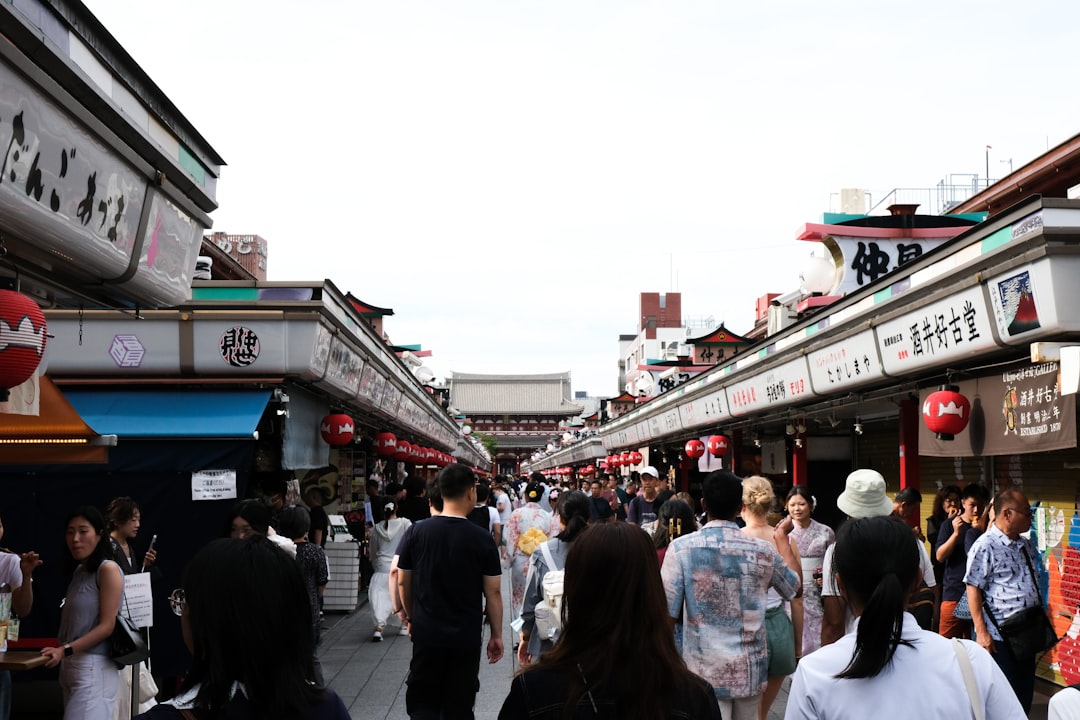
Why Nagoya’s Food Halls Deserve a Spot on Your Itinerary
Nagoya rarely gets the spotlight that Tokyo, Osaka, or Kyoto enjoy, but this is exactly why its food halls remain a treasure trove for curious eaters. Beneath the sleek department stores and inside the labyrinthine train station complexes, you’ll find depachika (basement food floors) and casual food courts packed with regional specialties that rarely make it onto tourist itineraries. From glossy misokatsu counters to unassuming stalls selling ankake spaghetti, Nagoya’s food halls are a microcosm of the city’s proud, slightly stubborn culinary identity. This guide walks you through the best food halls in the city and the hidden gems tucked inside them that even some locals forget to mention.
Understanding the Nagoya Food Hall Landscape
Before diving into specific spots, it helps to understand the two main categories of food halls you’ll encounter in Nagoya. The first is the depachika, the basement level of major department stores, typically stocked with beautifully packaged sweets, bento boxes, and prepared dishes meant for takeaway. The second is the food court or ‘shokudogai,’ often found in train stations and shopping complexes, offering sit-down casual dining from multiple vendors under one roof. Both formats hide incredible finds if you know where to look, and both are far less intimidating than they first appear.
Nagoya Station: The Ultimate Food Hall Hub
JR Nagoya Takashimaya Depachika
Tucked beneath the JR Nagoya Takashimaya department store, this basement food hall is often overshadowed by its flashier upper floors dedicated to fashion and lifestyle goods. Wander past the obvious sweet shops and head toward the back corners where smaller, regional vendors sell hitsumabushi bento sets, a must-try Nagoya specialty of grilled eel served over rice in a way that lets you enjoy it three different ways in one meal. Look for the counters with the shortest lines late in the afternoon; these are often the hidden gems selling limited-batch items that sell out by evening but haven’t yet attracted the crowds.
Meitetsu Department Store Food Floor
Just a short walk from JR Nagoya Takashimaya, the Meitetsu department store’s food floor is a favorite among office workers rather than tourists, which means the vendors here cater to discerning, repeat local customers. This is where you’ll find some of the best tebasaki (Nagoya-style fried chicken wings) sold as takeaway snacks, along with miso-based dishes that showcase the city’s beloved haccho miso. Don’t overlook the small counters selling ankake spaghetti, a curious and delicious Nagoya invention featuring thick, tangy sauce over pasta that defies easy categorization but is absolutely worth trying at least once.
Midland Square and Its Underrated Dining Options
Midland Square, one of Nagoya’s tallest and most modern buildings, houses a food court that many visitors skip in favor of its observation deck. This is a mistake. The basement and lower floors offer polished but affordable dining options, including hidden bakery stalls and coffee counters that rival specialty cafes elsewhere in the city. Because it’s attached to office towers, the food here is optimized for quality and speed rather than tourist appeal, making it an excellent spot for an efficient, satisfying lunch away from the crowds near the station.
Sakae District: A Second Wave of Hidden Gems
Matsuzakaya Nagoya Store
Sakae, Nagoya’s other major commercial district, is home to the sprawling Matsuzakaya department store, whose basement food hall is arguably even more extensive than the ones near the station. Here you’ll find a dedicated section for Nagoya’s famous misokatsu, deep-fried pork cutlets glazed with rich miso sauce. Seek out the smaller, family-run counters rather than the branded chains; they often use recipes passed down for generations and sell smaller portions perfect for solo travelers wanting to sample multiple dishes.
Oasis 21 and Sakae Underground Mall
The Oasis 21 complex and the connected underground shopping mall may look like a maze at first, but persistence pays off. Scattered throughout are small food stalls selling taiyaki, dango, and seasonal treats that change with the calendar, offering a genuinely local snacking experience. These stalls rarely appear in English-language guides, making them true hidden gems for travelers willing to explore without a rigid plan.
Osu Shopping District: Market Hall Charm
While technically more of a shopping arcade than a formal food hall, the Osu district deserves mention for its market-style food stalls tucked between clothing shops and electronics stores. Here you can find kishimen, Nagoya’s distinctive flat udon noodles, served from small counters with only a handful of seats. The lack of formality here is part of the charm, and prices tend to be lower than in the department store food halls, making Osu an excellent stop for budget-conscious food lovers.
How to Spot the Real Hidden Gems
- Look for stalls with handwritten signs or limited English, which often indicates a local following rather than tourist-oriented pricing.
- Pay attention to lines that form specifically around lunchtime for takeaway bento; these usually signal quality and quick turnover of fresh ingredients.
- Ask department store staff for recommendations, as many are happy to point out lesser-known counters if approached politely.
- Visit on weekdays when possible, as hidden gem counters tend to be less crowded and more willing to chat about their offerings.
- Explore corners and back sections of food halls rather than sticking to the main aisles closest to the entrance.
Best Times to Visit Nagoya’s Food Halls
Late morning, just after opening, tends to offer the freshest selection with minimal crowds. Early afternoon on weekdays is ideal for sampling lunch specials before the after-work rush begins. If you’re hoping to catch limited-quantity items like specific hitsumabushi bento sets, arriving within the first hour of opening is your best strategy, as popular items can sell out well before closing time.
Etiquette Tips for Food Hall Newcomers
Most food halls in Nagoya operate on a straightforward system: point at what you want, pay at the counter, and step aside to let the next customer order. It’s considered polite to have small bills or coins ready, and eating while walking through the hall itself is generally discouraged, though most department stores have small standing counters or nearby seating areas for immediate consumption. If you’re purchasing prepared foods to take back to a hotel, ask for an ice pack or cooling bag during warmer months, as many vendors offer this without extra charge upon request.
Final Thoughts on Nagoya’s Hidden Culinary World
Nagoya’s food halls reward patience and curiosity more than any rigid checklist ever could. While the city’s famous specialties like misokatsu, hitsumabushi, tebasaki, and ankake spaghetti anchor the experience, the real magic lies in wandering slightly off the obvious path within each hall. Skip the flashiest displays occasionally, follow the local crowds, and don’t be afraid to point and gesture your way through an order. The hidden gems are there for anyone willing to slow down and look a little closer, and they offer some of the most memorable, unpretentious meals you’ll find anywhere in Japan.
Photo by HsinKai Tai on Unsplash