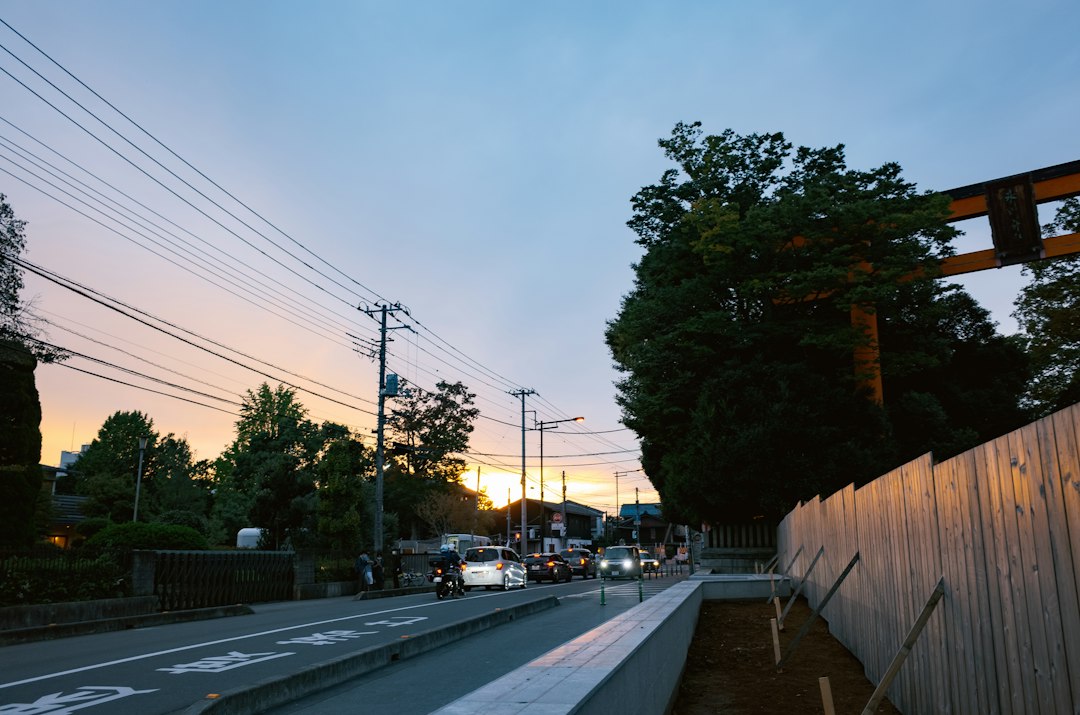
If you’re trying to figure out exactly how to get to Washinomiya Shrine and what you’ll actually find there as a Lucky Star fan, here’s the short version: take the Tobu Isesaki Line to Washinomiya Station in Kuki City, Saitama, walk about 13 minutes north through a quiet shotengai, and you’ll reach a shrine that looks almost exactly like it did in the anime’s opening sequence. The shrine office (sha-mu-sho) is open roughly 9:00 to 16:30, entry to the grounds is free, and goshuin stamps cost around ¥500. That’s the practical core of it. Everything else in this guide is about doing the trip properly instead of rushing through it in twenty minutes.
Why This Specific Shrine Became an Otaku Pilgrimage Site
Washinomiya Jinja isn’t a shrine built for anime tourism — it’s one of the oldest shrines in Saitama Prefecture, with a history the shrine itself traces back roughly 2,000 years, and it’s historically significant as one of the origin sites of the Tori-no-Ichi rooster fair tradition held every November. Kyoto Animation’s 2007 series Lucky Star used it as the visual model for the fictional Takanomiya Shrine, the shrine run by protagonist Konata Izumi’s family. The anime’s opening credits sequence lifted the shrine’s actual torii gate, stone steps, and main hall almost frame for frame, which is unusually literal compared to how most anime handle real-world locations. That accuracy is exactly why the pilgrimage (seichijunrei) culture around it grew so fast after the show aired — fans could stand in the precise spot and match it to the screen.
Washinomiya is also widely credited as one of the sites that helped define what “seichijunrei” even means as a tourism category in Japan, predating a lot of the anime-tourism infrastructure that exists now. Local shop owners and the shrine itself leaned into it rather than resisting it, which is part of why the relationship between the anime and the town has lasted well over a decade.
Getting There: The Actual Train Route
From central Tokyo, the most direct route is Asakusa Station on the Tobu Isesaki Line (also signed as the Tobu Skytree Line). Take a rapid or semi-express train toward Kuki — this takes roughly 55 to 65 minutes depending on the service. At Kuki Station, transfer to a Tobu Isesaki Line local train heading toward Kuwana/Gyoda direction; Washinomiya is just one stop north, about 4 minutes. Total travel time from Asakusa is around 80–90 minutes, and the one-way fare is roughly ¥650–750 depending on whether you ride a limited express segment.
If you’re coming from Tokyo or Ueno Station, JR’s Utsunomiya Line also runs to Kuki Station in about 50–55 minutes, where you can switch to the Tobu line for the same short hop to Washinomiya. Either route works fine — pick whichever starting station is closer to where you’re staying.
Washinomiya Station itself is a small two-platform station with a single ticket gate. Exit and you’ll immediately notice the town leans into its anime connection quietly rather than loudly — there’s no giant anime arch over the station, just a shotengai (shopping street) running north from the station roughly 900 meters to the shrine, lined with small noborib banners featuring Lucky Star characters donated by fans and local merchants over the years.
What You’ll Actually See at the Shrine
Walk through the main torii gate and up the stone approach, and the layout matches the anime’s opening almost exactly — the stone lantern placement, the slight curve of the path, the position of the main hall (honden) relative to the trees. It’s worth bringing a printed or saved screenshot of the opening sequence to do side-by-side comparisons; most pilgrims do exactly this near the main approach.
The real draw for returning fans is the ema board area to the right of the main worship hall. Since around 2008, fans have been hand-painting wooden ema plaques with Lucky Star characters and hanging them in dedicated sections — there are now thousands of them, repainted and replaced over the years as older boards are cleared. A blank ema costs around ¥800–1,000 from the shrine office, and if you want to leave your own, bring your own paint pens since the shrine doesn’t supply art materials. Browsing the existing boards takes a good 20–30 minutes if you actually read them.
The shrine office also sells goshuin (calligraphy stamps) for ¥500, and during the shrine’s special events they occasionally offer limited-run designs tied to the anime collaboration, though this isn’t guaranteed outside festival periods, so don’t plan a trip around it.
Timing Your Visit Around the Washinomiya Festival
The single best time to visit as a Lucky Star fan is during the Washinomiya-cho Furusato Matsuri, held annually in September. The festival’s mikoshi (portable shrine) parade through town has, since the show’s peak popularity, included Lucky Star-themed elements and draws a visible crowd of fans alongside the local residents who’ve been running this festival for generations. If you visit then, expect the shotengai to be genuinely crowded, food stalls set up along the route, and a noticeably different atmosphere than the quiet weekday visit most pilgrims actually get.
If you’d rather have the shrine mostly to yourself, go on a weekday morning outside of New Year’s (when it gets busy with regular hatsumode visitors) and outside the September festival dates. Early morning on a weekday, you might be the only visitor on the grounds for ten or fifteen minutes at a stretch — which is honestly the better experience if your goal is quiet photo-matching rather than festival energy.
Food, Shopping, and Filling the Rest of the Day
Kuki City isn’t set up as a tourist town, and that’s part of its charm if you’re expecting a themed attraction — you won’t find one. The shotengai between the station and shrine has a handful of local shops that have sold Lucky Star goods over the years, though stock rotates and isn’t guaranteed; don’t build your whole trip around merchandise shopping. For food, there are small local teishoku and noodle shops along the main road near the station rather than anything flashy — this is a residential Saitama town, so expect modest, inexpensive options in the ¥700–1,200 range rather than tourist-priced restaurants.
Because the shrine visit itself takes under an hour for most people, many fans combine it with a stop in Kuki Station’s surrounding area, or extend the day trip to include Washinomiya’s neighboring town of Satte, or loop back toward Tokyo via Kasukabe (itself known for Crayon Shin-chan references) for a two-location anime day trip.
A Few Things Worth Knowing Before You Go
Treat the shrine as a functioning place of worship first — it still hosts weddings, local festivals, and daily visitors unrelated to anime, so keep photography respectful near the honden and avoid blocking the approach path for people there to actually pray. Also budget your visit for a weekday if you want quiet time with the ema boards, since even outside the September festival, weekend foot traffic from fans has picked up again in recent years as retro-anime pilgrimage content gets rediscovered online. Finally, don’t expect English signage — bring the shrine’s address (1-6-1 Washinomiya, Kuki-shi, Saitama) saved offline, since mobile signal and posted maps near the station can be inconsistent for foreign SIM cards.
Photo by PJH on Unsplash