Why Kyoto Is a Dream Destination for Anime Fans
Kyoto is often celebrated for its temples, geisha districts, and centuries-old traditions, but the ancient capital has also quietly become one of Japan’s richest hunting grounds for anime pilgrimage, known in Japanese as seichi junrei (holy site pilgrimage). Unlike Tokyo’s futuristic skyline, Kyoto offers a timeless backdrop of castles, shrines, stone-paved streets, and misty bamboo groves that animators love to recreate frame by frame. Among these iconic backdrops, Nijo Castle stands out as one of the most visually striking and frequently referenced locations in anime set in Kyoto. This guide walks you through why Nijo Castle captivates animators, how to plan your visit, and which other Kyoto anime locations you should pair with it for the ultimate pop-culture pilgrimage.
Nijo Castle: A Living Anime Backdrop
Built in the early Edo period as the Kyoto residence of the Tokugawa shogunate, Nijo Castle is a UNESCO World Heritage Site famous for its ornate Ninomaru Palace, the so-called ‘nightingale floors’ that chirp to warn of intruders, and its expansive moated grounds. For anime creators, the castle’s dramatic stone walls, symmetrical gardens, and golden interior screens provide an instantly recognizable symbol of feudal Japan, making it a favorite reference point for historical dramas, fantasy series, and slice-of-life shows that want to signal ‘this is Kyoto’ to viewers.
What Makes Nijo Castle Anime-Worthy
- The sweeping stone ramparts and deep moat create a naturally cinematic silhouette, especially at sunset or during cherry blossom season.
- The Ninomaru Palace’s sliding doors, painted with tigers, leopards, and pine trees, offer richly detailed interiors that animators love to reference for period pieces.
- The seasonal gardens, particularly the plum and cherry blossom groves, provide a soft, romantic atmosphere often used in emotional or nostalgic scenes.
- Its accessibility within central Kyoto makes it a natural stop for storylines featuring school trips, first dates, or supernatural encounters tied to historical Japan.
Planning Your Visit to Nijo Castle
Nijo Castle is open year-round, though hours can shift slightly by season, so it’s worth checking current opening times before you go. The castle grounds are best explored slowly: start at the East Gate, walk through the Karamon Gate with its intricate carvings, then remove your shoes to explore the Ninomaru Palace’s nightingale floors. Afterward, wander the Ninomaru Garden and the more austere Honmaru Garden, which offers quieter photo opportunities away from the crowds.
Best Times to Visit for Photography and Atmosphere
- Early morning: Arrive at opening time to enjoy the castle grounds with minimal crowds, ideal for recreating anime-style establishing shots.
- Cherry blossom season: The castle’s several hundred cherry trees create a dreamlike pink canopy that mirrors countless anime spring scenes.
- Autumn foliage: Maple trees around the moat turn brilliant red and orange, echoing the moody backdrops used in many Kyoto-set stories.
- Late afternoon light: The golden hour glow on the stone walls creates the warm, nostalgic lighting so common in anime sunset scenes.
Anime Connections to Nijo Castle and Kyoto
While studios rarely name real filming locations outright due to licensing considerations, Kyoto’s landmarks, including Nijo Castle, are widely recognized as visual inspiration for numerous anime set explicitly in the city. Series that take place in Kyoto often feature composite backgrounds drawing on the castle’s walls, moats, and gardens, alongside other unmistakably Kyoto elements like machiya townhouses and narrow stone lanes. Fans of historical and supernatural anime in particular enjoy spotting Nijo Castle’s silhouette in establishing shots meant to root a story firmly in Japan’s cultural heart.
Beyond direct visual references, Nijo Castle also represents the broader aesthetic that Kyoto-set anime strive to capture: a sense of layered history where samurai-era architecture coexists with modern life. This blend of old and new is a recurring theme in Kyoto anime storytelling, and visiting the castle in person lets fans experience that duality firsthand.
Other Kyoto Anime Locations to Combine With Nijo Castle
Since Nijo Castle sits centrally in Kyoto, it pairs easily with several other beloved anime pilgrimage spots. Consider building a day or two-day itinerary around these locations:
Fushimi Inari Taisha
The thousands of vermillion torii gates winding up the mountainside are among the most reproduced images in anime, appearing in countless supernatural and coming-of-age stories. The tunnel-like gate pathways make for unforgettable photos, especially in early morning light.
Kiyomizu-dera Temple
This wooden temple perched on a hillside overlooking Kyoto is another frequently referenced backdrop, particularly its famous stage that appears to float above the maple trees below.
Arashiyama Bamboo Grove
The towering bamboo stalks create a naturally otherworldly corridor that has inspired dreamy, contemplative scenes in many Kyoto-set anime and films.
Gion District
With its preserved wooden facades and occasional glimpses of geiko and maiko, Gion embodies the traditional Kyoto atmosphere often depicted in slice-of-life and historical anime alike.
Kamo River
A favorite for quiet character moments, the riverside promenade appears in many anime as a setting for heartfelt conversations, especially at dusk.
Tips for Anime Fans Visiting Nijo Castle
- Bring a camera with manual settings to capture the warm lighting that mimics anime color palettes, especially during golden hour.
- Wear comfortable shoes since you’ll need to remove them to enter the palace, and the grounds involve considerable walking.
- Visit on weekdays when possible to avoid the heaviest tourist crowds and get cleaner shots of the architecture.
- Respect the site’s cultural significance by staying on designated paths and avoiding restricted areas, even when chasing the perfect photo angle.
- Combine your visit with a stop at a nearby traditional tea house to fully soak in the atmosphere that inspired so many animated scenes.
Final Thoughts on Kyoto’s Anime Appeal
Nijo Castle offers far more than a history lesson; it’s a living, breathing piece of the visual language that anime creators use to evoke Japan’s past. Whether you’re a dedicated pilgrimage traveler tracking down every recognizable backdrop or simply a curious visitor who loves both anime and Japanese history, walking through Nijo Castle’s gates connects you to centuries of storytelling, both real and animated. Pair it with Kyoto’s other iconic anime-adjacent sites, and you’ll come away with not just photographs, but a deeper appreciation for why this ancient city continues to capture imaginations on screen and in person.
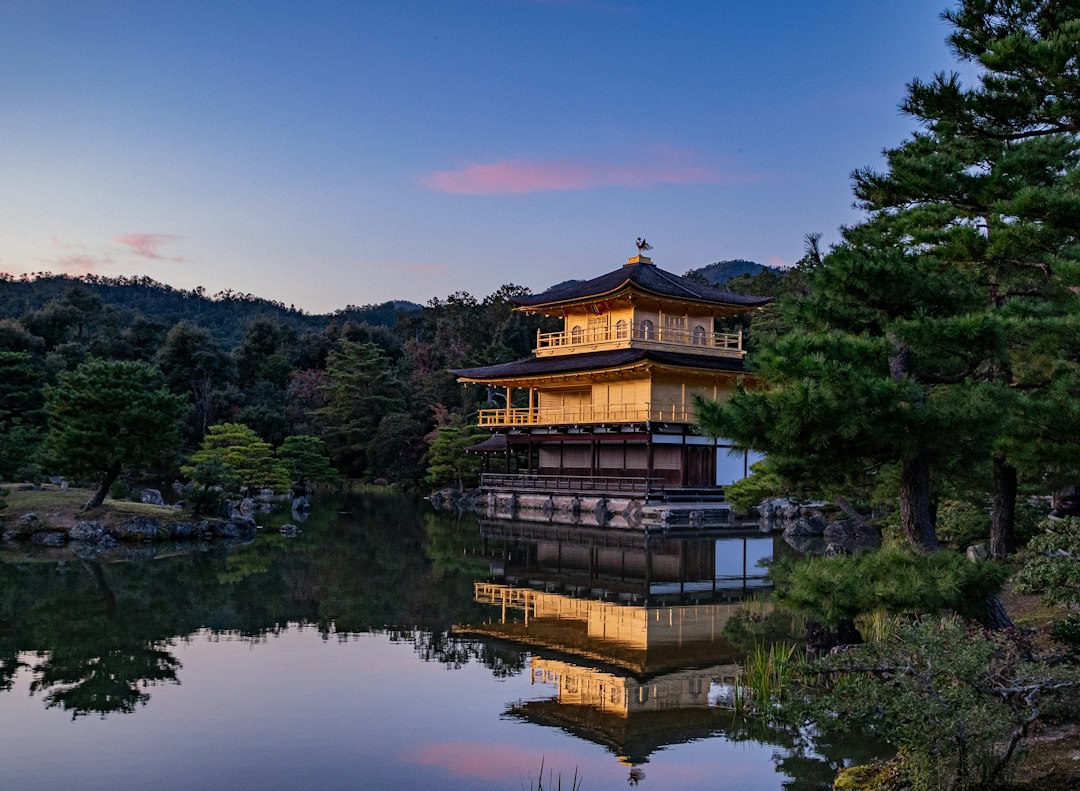
Photo by Dayo Adepoju on Unsplash