## Can Solo Travelers Actually Stay at Love Hotels in Japan?\n\nYes, but it depends on the hotel and the time of day. Most love hotels in Japan operate on two pricing systems: *kyukei* (休憩, a 2-3 hour daytime rest, roughly ¥3,000-5,500) and *shukuhaku* (宿泊, overnight stay, roughly ¥6,000-13,000, usually only bookable from 22:00-24:00 onward). A large share of properties will not sell the kyukei rate to a single guest because it’s built around couples, but the overnight shukuhaku rate is far more commonly available to solo travelers, especially after 23:00 when occupancy is low and staff would rather fill the room than leave it empty. Some hotels near red-light districts post a small sign reading カップル専用 (\“couples only\”) at the entrance panel — if you see that sign, walk to the next building instead of arguing with the front desk.\n\n### Who this is actually good for\n- You want a private bathroom, a big bathtub, and a bed bigger than anything in a capsule hotel, for less than a business hotel room in the same neighborhood\n- You’re arriving very late (last train missed, red-eye flight landed at midnight) and need a room after 23:00 without an advance reservation\n- You don’t mind checking in through a vending-machine-style panel instead of talking to a person\n- You’re comfortable with no English signage and sometimes cash-only payment\n- You’re not trying to store a 90L backpack somewhere with no luggage room service — most love hotel rooms have zero storage support, no elevator attendants, and often only stairs in older buildings\n\n## Love Hotel vs Business Hotel vs Capsule Hotel vs Guesthouse for Solo Travelers\n\n### Love Hotel\nThe best-known cluster for solo travelers to actually try this is Dogenzaka in Shibuya — walk seven minutes uphill from Shibuya Station’s Hachiko exit and you’ll hit a stretch of 15-20 love hotels with illuminated entrance panels showing room photos and live pricing. Osaka’s Nipponbashi/Namba area (a few minutes from Namba Station on the Midosuji Line, near Den Den Town) has a similar concentration and tends to be more solo-traveler-tolerant than Shibuya on weeknights. You select a room from a lit panel, pay into a drawer or at a low-visibility counter, and get a key with zero face-to-face interaction in many locations — useful if your Japanese is limited and you’d rather not explain yourself at a front desk.\n\n### Business Hotel\nChains like Toyoko Inn, APA Hotel, and Super Hotel are built specifically for single business travelers, with single rooms starting around ¥6,000-9,000/night in regional cities and ¥9,000-14,000 in central Tokyo or Osaka. You get free Wi-Fi, a desk, English-speaking front desk staff at most locations, and 24-hour check-in. Rooms are smaller than love hotel rooms but the service is predictable and reservation-friendly through booking.com or Rakuten Travel.\n\n### Capsule Hotel\nStill the cheapest dedicated solo option, typically ¥3,000-5,000/night. Nine Hours (several locations including Namba and Narita Airport) and The Millennials in Shibuya are the two most solo-traveler-friendly brands with keycard lockers and shared shower floors. Zero privacy for anything beyond sleeping, and many properties are gender-segregated by floor.\n\n### Guesthouse / Hostel\nBudget dorm beds run ¥2,500-4,000/night, private rooms ¥5,000-8,000. Places like K’s House (multiple cities) or Nui in Kuramae, Tokyo, lean into shared kitchens and common rooms, which suits travelers who actually want to talk to other guests — the opposite of what most love hotel guests are looking for.\n\n## Comparison Table: Love Hotel vs Business Hotel vs Capsule Hotel vs Guesthouse\n\n| Criteria | Love Hotel | Business Hotel | Capsule Hotel | Guesthouse |\n|—|—|—|—|—|\n| Price range (per night) | ¥6,000-13,000 (overnight rate) | ¥6,000-14,000 | ¥3,000-5,000 | ¥2,500-8,000 |\n| Privacy | Very high (private bath, soundproofed) | High | Low (shared facilities) | Low to medium |\n| Booking in English | Rare, walk-in only | Easy (booking.com, Rakuten) | Easy | Easy |\n| Solo guest acceptance | Variable, best after 22:00-23:00 | Always welcome | Always welcome | Always welcome |\n| Luggage storage | Poor to none | Good | Lockers only | Good |\n| Best for | Comfort-seekers, late arrivals, couples-adjacent budget | Predictability, business trips | Tightest budget | Social travelers, long stays |\n\n**Thinking about trying a love hotel for one night in Shibuya or Namba?** Check current room availability and photos on Japan-focused booking aggregators like Jalan or the Happy Hotel search app before you walk over — some properties do list overnight (shukuhaku) availability online even though same-day walk-in is still the norm, and comparing two or three nearby options on your phone first saves you from getting turned away at the panel.\n\n## Practical Tips Nobody Puts in the Brochure\n\n- **Timing matters more than the hotel chain.** Arrive before 21:00 and you’ll likely only be offered the kyukei rest rate, often restricted to pairs. Arrive after 23:00 and the overnight rate opens up to solo guests at most properties, partly because staff want the room filled rather than vacant until morning.\n- **Payment is sometimes cash-only**, particularly at older, independently-run buildings rather than chain-affiliated ones. Keep at least ¥15,000 in cash as backup even if the panel shows a card icon.\n- **Checkout is strict and early** — usually 10:00 or 11:00, with no late checkout negotiation like you’d get at a business hotel. If you need to sleep in after a late flight, this isn’t the right category.\n- **Noise insulation is genuinely excellent** in most rooms built after the early 2000s renovation wave, which is actually a quiet advantage for light sleepers coming from a hostel dorm.\n- **Some areas are simply off-limits late at night for safety reasons regardless of hotel type** — the Dogenzaka hill area is well-lit and policed, but solo female travelers should still stick to well-known buildings rather than unmarked entrances down side alleys.\n\n## The One Thing to Check Before You Commit\n\nThe detail that trips people up isn’t the booking system or the pricing — it’s that room availability and refusal policy can change by season and even by the specific night’s staff on shift. A hotel that happily gave a solo traveler the overnight rate last month might refuse the same request on a Friday night when couple demand is high. If you’re planning around this as your primary accommodation for a multi-night stay, keep a backup business hotel reservation in the same neighborhood that you can cancel free of charge if the love hotel plan falls through — most Rakuten Travel bookings allow free cancellation up to 18:00 the day of check-in, which gives you a safety net without losing money if Dogenzaka doesn’t work out that particular night.
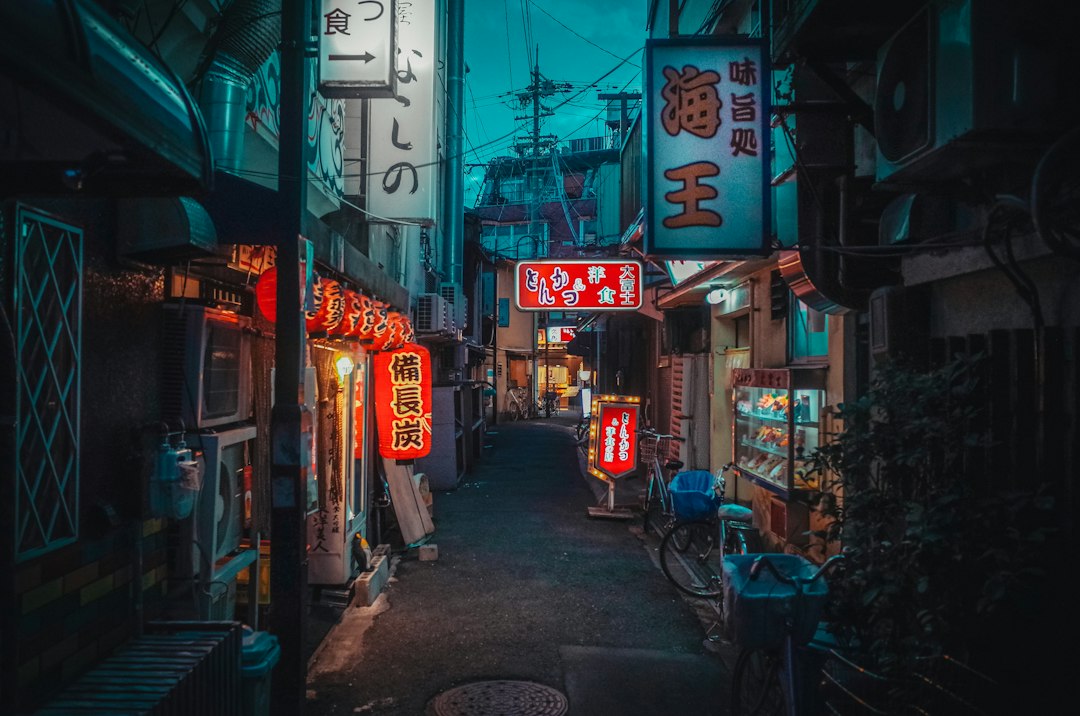
Photo by masahiro miyagi on Unsplash