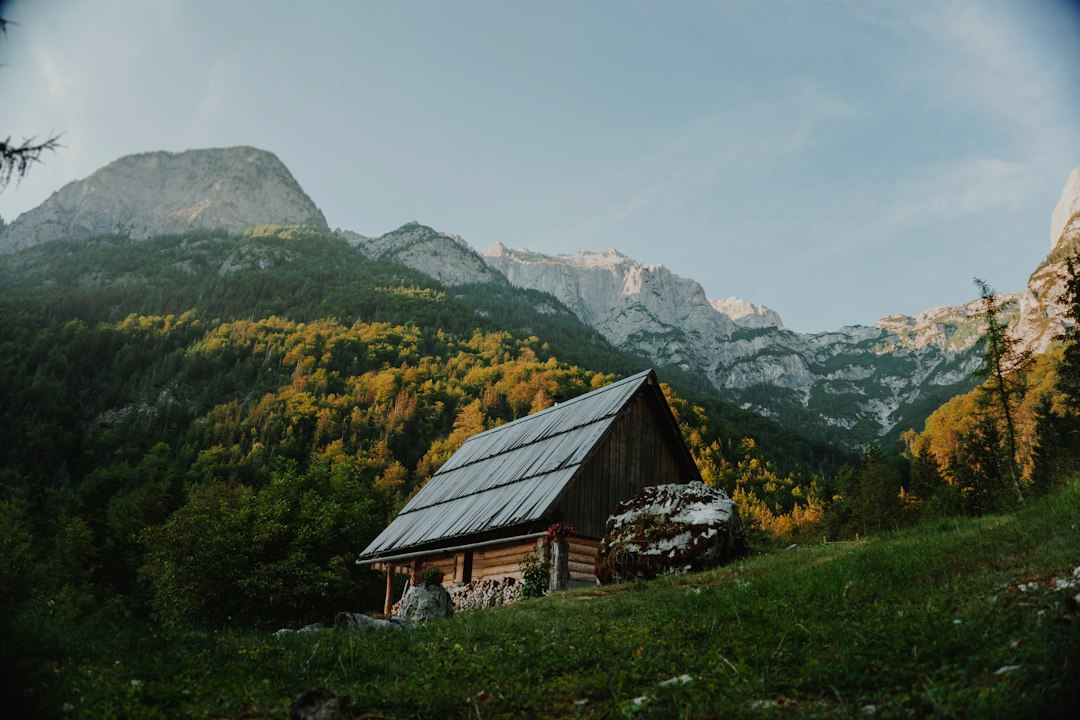
If you’ve already decided you want a cabin under cedar and larch trees in Nagano rather than a ryokan in the valley, here’s the short version: the three bases worth building a trip around are Karuizawa’s Hoshino area (easiest access, most polished), Togakushi (cedar-avenue forest, better for hikers and soba fans), and Kurohime near Lake Nojiri in Shinano-machi (the quietest, least touristed, and home to the Afan Woodland Trust forest founded by the late C.W. Nicol). Each is reachable without a car if you plan the bus connection, though a rental really does open things up once the Shinkansen drops you.
Getting There: The Actual Train and Bus Logistics
From Tokyo Station, the Hokuriku Shinkansen (Kagayaki or Hakutaka) reaches Karuizawa Station in roughly 65-70 minutes, and Nagano Station in about 80-90 minutes. From Karuizawa Station, a free or low-cost shuttle (around ¥600 one-way on the Seibu Kanko Bus) runs to the Hoshino Area in about 20 minutes. For Togakushi, you need to change at Nagano Station to an Alpico bus bound for Togakushi Chusha or Togakushi Okusha — the ride is about 60 minutes and costs roughly ¥1,370 one-way, with departures thinning out considerably after 4pm, so check the timetable before you plan a late check-in. For Kurohime, take the Shinano Railway line from Nagano Station to Kurohime Station (around 30-35 minutes, a handful of trains per day, not every hour), then it’s a 10-15 minute taxi or a pre-arranged cabin pickup to reach most forest properties near Lake Nojiri.
Karuizawa: Forest Cabins With the Shortest Commute From Tokyo
The Hoshino Area in Karuizawa is where most first-time visitors end up, and for good reason — it’s walkable, has the Harunire Terrace cluster of small shops and cafés built on stilts over a stream, and the Picchio Wildlife Research Center runs guided forest walks and night tours (roughly ¥3,000 per adult, center hours 9:00-17:00) where guides track Asiatic black bear movements with GPS collars before deciding which trails are open that week. Freestanding wood cabins here, through operators like BESS Karuizawa or smaller independent rental properties listed on Rakuten Travel, run about ¥20,000-¥45,000 a night depending on size and season, with the higher end during the Obon week in August and the cherry/foliage shoulder seasons. A loaf from Sawamura Bakery on the Harunire Terrace boardwalk makes a decent breakfast if your cabin kitchen is basic, which most are — expect an induction hob and a wood stove, not a full range.
What You’re Actually Paying For
- Proximity: 20 minutes from a Shinkansen station versus 90+ minutes for the other two areas
- Curated nature programming (Picchio) rather than just unmarked trails
- More polished cabins with underfloor heating, useful November through March
- Higher density of other tourists, especially weekends and holiday weeks
Togakushi: Cedar Avenue and a Forest That Feels Older
Togakushi sits at around 1,200 meters and the approach to Togakushi Okusha shrine runs through a roughly 500-meter avenue of Japanese cedars planted in the Edo period — walking it at dusk, with almost no one else around on a weekday, is the single best forest moment I’ve had in Nagano. Cabins and minshuku here are simpler than Karuizawa’s — think a single main room with a kotatsu, a shared or small private bath, and a shared dining hall rather than an in-cabin kitchen — and prices reflect that, typically ¥12,000-¥25,000 per person per night including two meals (ichi-shoku ni-shoku) rather than per-cabin pricing. Togakushi is also one of Japan’s recognized soba-growing regions; Uzuraya, a well-known soba restaurant near Chusha, serves a lunch set for about ¥1,200-¥1,800 and routinely sells out of noodles by early afternoon on weekends, so go before noon if you want a seat without a wait. Bears are a real consideration on the quieter forest trails above Okusha — bear bells are sold at the shrine approach shops for a few hundred yen, and local signage (in Japanese) marks recent sightings, so ask your lodging about current activity before a solo hike.
Kurohime and Lake Nojiri: The Quiet Option
Shinano-machi’s Kurohime district, beneath Mount Kurohime, is where you go if Karuizawa feels too curated. This is the area around the Afan Woodland Trust, a managed secondary forest project that the late author and conservationist C.W. Nicol built over several decades, restoring neglected coppice woodland into a working forest with deer, boar, and occasional black bear passing through. It’s not generally open for casual drop-in visits — tours and volunteer days are arranged through the Afan Trust office and typically need to be booked ahead — but staying nearby puts you inside the same forest system. Lake Nojiri (Nojiriko), about 10 minutes further by car, has a cluster of lakeside and forest cabin rentals run by local families and small cooperatives, often bookable through Jalan or directly by phone, with prices around ¥15,000-�¥30,000 per cabin per night for a unit sleeping four to six. These tend to be self-catering with a proper kitchen, a wood-burning stove, and a canoe or rowboat included with lakefront units — useful in July and August when the lake is swimmable and noticeably cooler than Tokyo.
What a Night Actually Involves
None of these cabins come with hotel-level service, and that’s the point, but it’s worth knowing what that means practically. Wood stoves need to be lit and fed — most hosts will show you once at check-in and not again, so ask questions then. Wifi exists in almost all Karuizawa cabins and most Kurohime rentals, but is patchy to absent in some Togakushi minshuku, which is either a relief or an annoyance depending on why you came. Convenience stores are not a five-minute walk away in any of these three areas except parts of central Karuizawa — stock up at a supermarket (Tsuruya in Karuizawa or a Delicia/A-Coop in Nagano) before heading up if you’re self-catering. Garbage sorting rules in rural Nagano are stricter and more specific than in Tokyo; your host will usually leave a printed sheet, and it’s worth actually reading it rather than guessing.
Booking Timing and Price Patterns
- Peak pricing: late July through August (lake swimming season) and early-to-mid October (foliage)
- Cheapest, quietest window: June (rainy season, fewer visitors, forest is extremely green) and late November before snow tires are mandatory
- Winter (December-March): Karuizawa cabins stay open and get genuinely cozy with the wood stoves; many Togakushi and Kurohime properties either close or require confirmed snow tire / 4WD arrangements for guests driving themselves
- Book 2-3 months ahead for August and October weekends; 2-3 weeks is usually fine for June or early December
One Thing Worth Knowing Before You Book
If you’re planning to drive yourself between late November and early April, all three areas require studless snow tires (yuki taiya) by local regulation, and rental car companies at Nagano or Karuizawa stations will not hand over a car without them already fitted — but double check this specifically when booking, since some discount rental chains run out of snow-tired vehicles during peak ski weekends in January and will substitute a smaller car than you reserved. It’s a minor thing, but it’s the detail that actually derails people’s plans more often than anything about the cabins themselves.
Photo by David Dvořáček on Unsplash