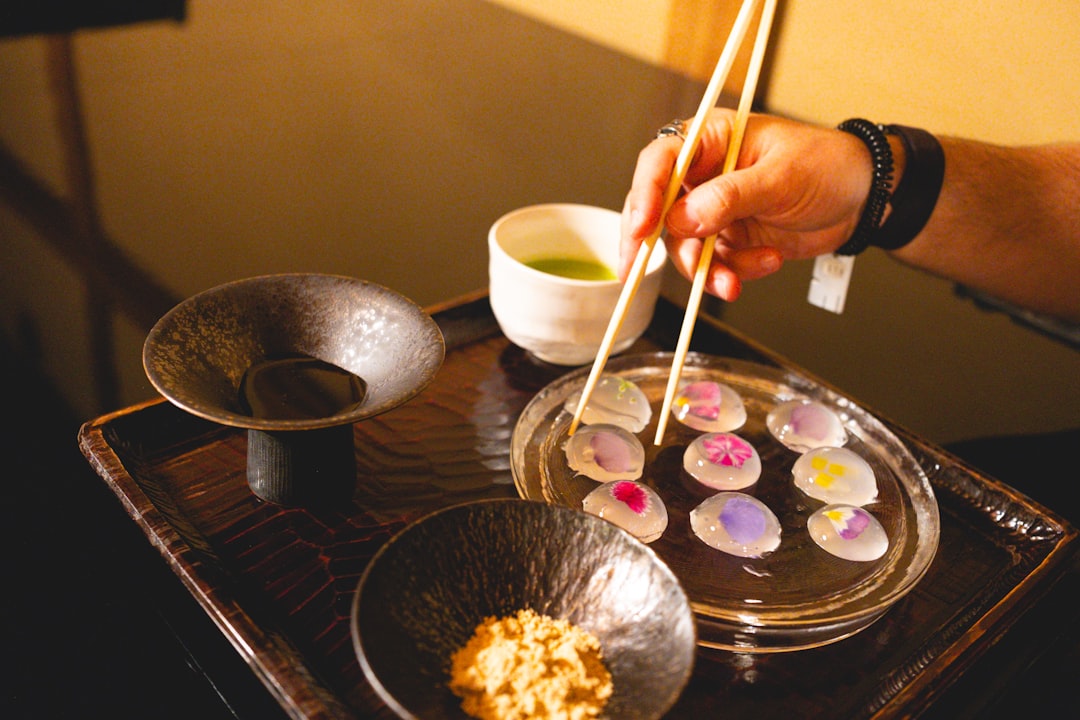
Discovering the Art of Wagashi in Kyoto
Kyoto, the cultural heart of Japan, is not only home to ancient temples and serene gardens but also to one of the country’s most delicate culinary traditions: wagashi. These traditional Japanese sweets are more than just desserts; they are edible works of art that reflect the changing seasons, poetic imagery, and centuries of craftsmanship. For travelers seeking an immersive cultural experience, a hands-on wagashi making class in Kyoto offers a rare opportunity to step into the shoes of a Japanese confectionery artisan.
Unlike simply tasting wagashi at a teahouse or buying it from a shop, a hands-on class allows you to understand the philosophy, precision, and creativity behind each sweet. You’ll learn why wagashi is often described as ‘edible poetry’ and why it plays such an essential role in the Japanese tea ceremony.
What is Wagashi? A Brief Introduction
Wagashi refers to traditional Japanese confections, typically made from plant-based ingredients such as red bean paste (anko), rice flour, agar, and seasonal fruits. Unlike Western desserts that often rely on butter, cream, or heavy sugar, wagashi emphasizes subtle sweetness, natural textures, and visual beauty inspired by nature.
There are several types of wagashi you might encounter or learn to make in a Kyoto class:
- Nerikiri – A pliable sweet made from white bean paste, often shaped into flowers, animals, or seasonal motifs.
- Mochi-based sweets – Soft rice cakes filled with sweet bean paste, such as daifuku.
- Higashi – Dry, pressed sugar sweets often used in tea ceremonies.
- Yokan – A firm jellied dessert made from agar, sugar, and bean paste.
Why Take a Hands-On Wagashi Making Class in Kyoto?
Kyoto is widely regarded as the birthplace of refined wagashi culture, largely due to its deep connection with the tea ceremony tradition. Many wagashi shops in Kyoto have histories spanning generations, and some offer visitors the chance to learn directly from experienced confectioners.
1. Learn Authentic Techniques
In a typical class, you’ll be guided by a skilled wagashi artisan who will teach you how to knead, shape, and color the dough using traditional tools such as wooden picks, small spatulas, and silk cloths. You’ll discover how a simple lump of bean paste can be transformed into a delicate cherry blossom, a maple leaf, or a chrysanthemum with just a few precise movements.
2. Understand the Seasonal Philosophy
One of the most fascinating aspects of wagashi is its deep connection to the seasons. Spring sweets might resemble cherry blossoms or bamboo shoots, while autumn creations often mimic maple leaves or chestnuts. During your class, instructors will often explain the seasonal symbolism behind each design, giving you insight into the Japanese aesthetic concept of mono no aware—the appreciation of transient beauty.
3. A Meditative, Mindful Experience
Making wagashi requires patience, focus, and a calm mind. Many visitors describe the process as meditative, similar to origami or calligraphy. It’s a wonderful way to slow down during a busy Kyoto itinerary and engage in a mindful cultural activity.
4. Take Home a Delicious Souvenir
At the end of most classes, you’ll get to enjoy your handmade wagashi with a cup of matcha tea, experiencing the harmony between sweet and bitter flavors just as it’s done in traditional tea ceremonies. Some classes also let you take your creations home in a decorative box.
What to Expect During the Class
While each studio or shop offers a slightly different experience, most hands-on wagashi making classes in Kyoto follow a similar structure:
- Introduction: A brief history of wagashi and its cultural significance.
- Demonstration: The instructor demonstrates the shaping technique for the day’s chosen motif.
- Hands-on practice: You’ll create two or three wagashi pieces under guidance, often using nerikiri dough in various colors.
- Tea pairing: Enjoy your creations with matcha or sencha tea.
- Take-home box: Many studios provide a small box so you can bring your extra wagashi back to your hotel.
Classes typically last between 60 and 90 minutes, making them easy to fit into a half-day Kyoto itinerary alongside temple visits or a stroll through a traditional district.
Where to Find Wagashi Making Classes in Kyoto
Kyoto offers a variety of venues for this experience, ranging from small family-run confectionery shops to dedicated cultural experience studios. Many are located near popular areas such as Gion, Higashiyama, or Arashiyama, making it convenient to combine your class with sightseeing. Some long-established wagashi shops that normally sell to locals also open their kitchens to visitors for special hands-on sessions, offering a more authentic, less touristy atmosphere.
When choosing a class, consider the following factors:
- Language support: Look for classes that offer English instruction or translation, especially if you’re not confident in Japanese.
- Group size: Smaller groups often mean more personalized guidance from the instructor.
- Included tea ceremony elements: Some classes combine wagashi making with a short tea ceremony demonstration for a fuller cultural experience.
- Seasonal themes: If you’re visiting during a specific season, ask whether the class offers season-specific designs.
Tips for First-Time Participants
- Wear comfortable clothing, as you may sit on tatami mats or lean over a low table during the class.
- Don’t worry about perfection—wagashi making is an art form that even professionals spend years mastering. Enjoy the process rather than stressing over flawless results.
- Bring a small bag or box if you plan to take your creations back to your accommodation, though many studios provide their own packaging.
- Ask questions! Most instructors are happy to share stories about the history of their shop or the meaning behind specific wagashi designs.
Pairing Your Experience with Kyoto’s Tea Culture
Since wagashi is intrinsically linked to Japanese tea ceremonies, many visitors choose to pair their hands-on wagashi class with a visit to a traditional teahouse. Sipping bitter matcha alongside a sweet, delicately shaped confection is considered the perfect balance of flavors—a concept deeply rooted in Japanese aesthetics. If time allows, consider booking a tea ceremony experience either before or after your wagashi class for a fuller appreciation of Kyoto’s refined culinary culture.
Final Thoughts
A hands-on wagashi making class in Kyoto is more than just a fun activity—it’s a window into Japan’s artistic soul, seasonal sensibility, and culinary heritage. Whether you’re a food lover, an art enthusiast, or simply looking for a unique cultural experience, shaping your own delicate Japanese sweet under the guidance of a skilled artisan is an unforgettable memory to bring home from your trip to Kyoto. So next time you’re planning your Kyoto itinerary, be sure to set aside time for this delightful, hands-on encounter with one of Japan’s most exquisite traditional arts.
Photo by Igal Ness on Unsplash