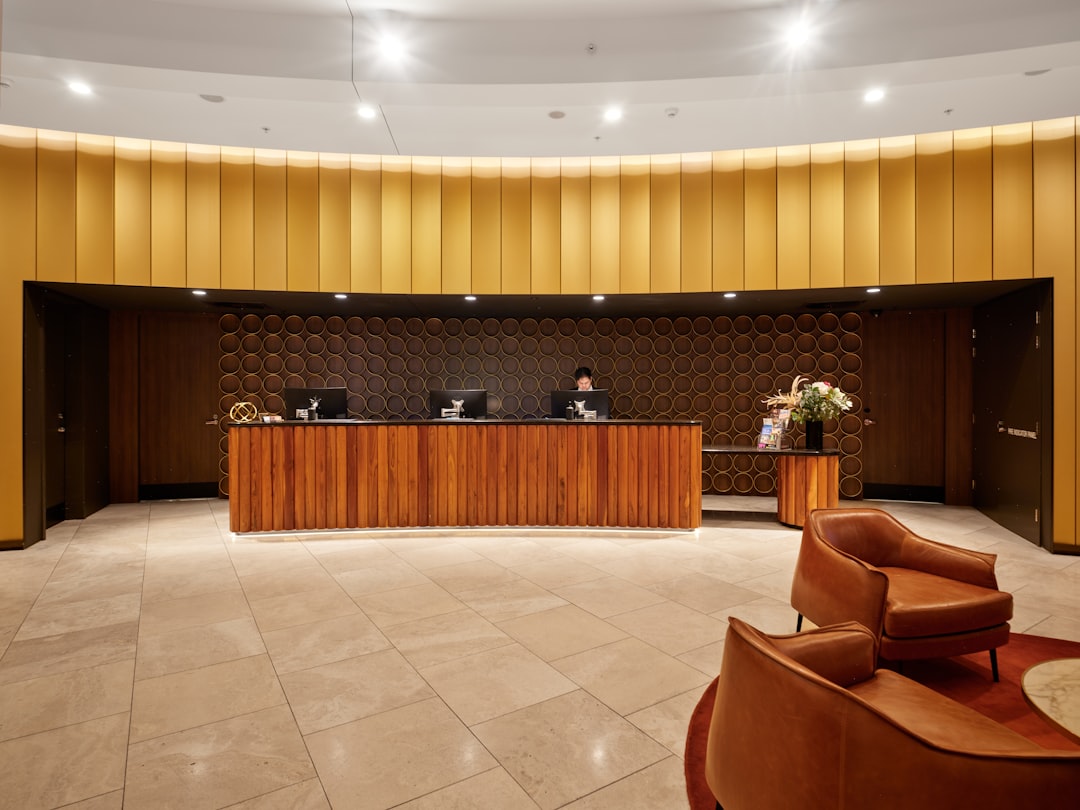

Photo by Neon Wang on Unsplash
Understanding Japanese Hotel Cancellation Policies
Planning a trip to Japan involves juggling flights, rail passes, and of course, accommodation. But one detail that trips up even seasoned travelers is understanding Japanese hotel booking cancellation policies. Unlike many Western countries where flexible, fully-refundable bookings are the norm, Japan’s hospitality industry operates on a distinctly different set of rules that can catch international visitors off guard. This guide breaks down everything you need to know about canceling hotel and ryokan reservations in Japan, so you can book with confidence and avoid unexpected fees.
Why Japan’s Cancellation Rules Differ From the West
Japanese hospitality culture places enormous value on commitment and reliability. When you make a reservation in Japan, it is treated as a firm promise, not a casual placeholder. Hotels and ryokan often prepare specific rooms, meals, and staffing based on confirmed bookings, especially at traditional inns where kaiseki dinners are cooked to order. This cultural emphasis on omotenashi (hospitality) and mutual respect means that canceling a reservation is taken seriously, and properties build in cancellation fees to protect against the financial impact of last-minute changes.
The Standard Tiered Cancellation Structure
Most Japanese hotels and ryokan use a tiered cancellation fee system based on how many days before check-in you cancel. While exact terms vary by property, a typical structure looks like this:
- 8-30 days before check-in: No charge or a small percentage fee
- 3-7 days before check-in: 20-30% of the total booking cost
- 1-2 days before check-in: 50% of the total booking cost
- Day of check-in or no-show: 80-100% of the total booking cost
These percentages can shift dramatically during peak periods such as cherry blossom season, Golden Week, Obon, and the New Year holidays, when hotels often require full prepayment and impose stricter, non-refundable terms from the moment of booking.
Hotels vs Ryokan: Key Differences
Business and Chain Hotels
International chains and Japanese business hotel groups (such as APA, Toyoko Inn, and Dormy Inn) tend to have more standardized and somewhat lenient policies. Many allow free cancellation up to 1-3 days before arrival, particularly for flexible rate bookings made directly through the hotel’s website.
Ryokan and Traditional Inns
Ryokan are a different story entirely. Because these establishments typically include multi-course kaiseki meals prepared specifically for your stay, cancellation windows tend to be longer and penalties stricter. It is common for ryokan to charge fees starting 10-14 days before arrival, and cancellation within a week can result in charges of 50% or more, since ingredients may already be purchased and meals planned.
Booking Direct vs Through an OTA
Where you book matters just as much as when you cancel. Online travel agencies (OTAs) like Booking.com, Agoda, Expedia, Rakuten Travel, and Jalan each apply their own cancellation frameworks, which may or may not mirror the hotel’s own policy.
- Booking.com and Expedia often clearly display ‘Free Cancellation’ badges with specific deadlines, making them easier for English-speaking travelers to navigate.
- Rakuten Travel and Jalan, Japan’s largest domestic booking platforms, frequently offer discounted non-refundable rates alongside standard flexible rates, so always check which type you are selecting.
- Booking directly with a ryokan or independent hotel via phone or email may require you to negotiate cancellation terms, and confirmations may only be in Japanese.
Always read the fine print at checkout. A seemingly good deal on a non-refundable rate can end up costing more than a flexible rate if your plans are even slightly uncertain.
Deposits and Prepayment Requirements
Many Japanese properties, especially smaller ryokan and guesthouses, require a deposit or full prepayment via credit card at the time of booking. This is particularly true for:
- Bookings made during peak travel seasons
- Stays longer than a few nights
- Reservations at high-end or boutique properties
- Group bookings or multiple rooms
If a deposit is required, the cancellation policy usually specifies exactly how much of that deposit is refundable and by what date. Missing that date typically means forfeiting the deposit entirely.
How to Read Japanese Cancellation Terms
If you are booking directly with a Japanese-only website or communicating with a property via email, you may encounter the term キャンセル規定 (kyanseru kitei) or キャンセル料 (kyanseru-ryo), meaning ‘cancellation policy’ or ‘cancellation fee.’ Look for a table listing 前日 (zenjitsu, the day before), 当日 (tojitsu, the day of), and 無連絡不泊 (murenraku fuhaku, no-show without contact), which usually carries the highest penalty, often 100%.
Common Japanese Terms to Know
- キャンセル料 (kyanseru-ryo) – Cancellation fee
- 返金 (henkin) – Refund
- 予約変更 (yoyaku henkou) – Reservation change
- 無料キャンセル (muryou kyanseru) – Free cancellation
- 不可 (fuka) – Not possible/unavailable
Special Circumstances: Natural Disasters and Force Majeure
Japan experiences typhoons, earthquakes, and occasional heavy snowfall that can disrupt travel plans. Most hotels and OTAs have some flexibility for cancellations directly caused by natural disasters, particularly if train lines are officially suspended or a typhoon warning is issued for your travel dates. However, this leniency is not guaranteed and often requires documentation or is handled on a case-by-case basis. It is wise to contact the property or platform directly as soon as you know your travel may be affected, rather than waiting until the last moment.
Travel Insurance: A Smart Safety Net
Given the strictness of many Japanese cancellation policies, purchasing travel insurance that covers trip cancellation and interruption is highly recommended, especially for expensive ryokan stays or peak-season bookings. Look for policies that explicitly cover accommodation cancellation fees, not just flight disruptions, and check whether pre-existing itinerary changes due to illness, family emergencies, or natural disasters are included.
Practical Tips for International Travelers
- Always screenshot or save your booking confirmation, including the specific cancellation deadline stated at the time of booking.
- Book flexible or fully refundable rates whenever your itinerary is not 100% certain, even if they cost slightly more.
- Contact hotels directly by email if you need clarification, as many properties have English-speaking staff for international guests.
- Cancel as early as possible. Even if you are past the free cancellation window, canceling sooner rather than later often reduces the fee percentage.
- For ryokan, mention any dietary restrictions or changes early, as this can sometimes ease renegotiation of terms if you need to adjust your stay.
- Keep a record of all correspondence in case of billing disputes with your credit card company.
What to Do If You Must Cancel Last-Minute
If you find yourself needing to cancel within the penalty window, do not simply not show up. Contact the hotel or ryokan directly by phone or email as soon as possible. Explaining your situation politely can sometimes result in a reduced fee, particularly if the property can rebook the room. A genuine, respectful apology goes a long way in Japanese business culture, and staff may be more accommodating than the written policy suggests, though this is never guaranteed.
Frequently Asked Questions
Can I get a full refund if I cancel within 24 hours of booking?
Some properties and OTAs offer a short grace period, often called a ‘free cancellation window,’ but this is not universal in Japan. Always check the specific terms at checkout rather than assuming a standard policy applies.
Do all ryokan require prepayment?
Not all, but many do, particularly those offering elaborate meal plans or private onsen baths. Always confirm payment and cancellation terms before finalizing your reservation.
Is it easier to cancel through an OTA or directly with the hotel?
OTAs generally offer clearer, standardized cancellation information in English, making them easier for first-time visitors to navigate. Direct bookings may offer more personalized flexibility but require clearer communication.
Final Thoughts
Understanding Japanese hotel booking cancellation policies before you book is one of the simplest ways to protect your travel budget and avoid stressful surprises. By reading terms carefully, favoring flexible rates when your plans are uncertain, and communicating proactively with properties when changes arise, you can navigate Japan’s accommodation landscape with the same confidence as planning any other part of your trip. A little preparation goes a long way toward ensuring your Japan adventure starts smoothly, from booking to check-in.