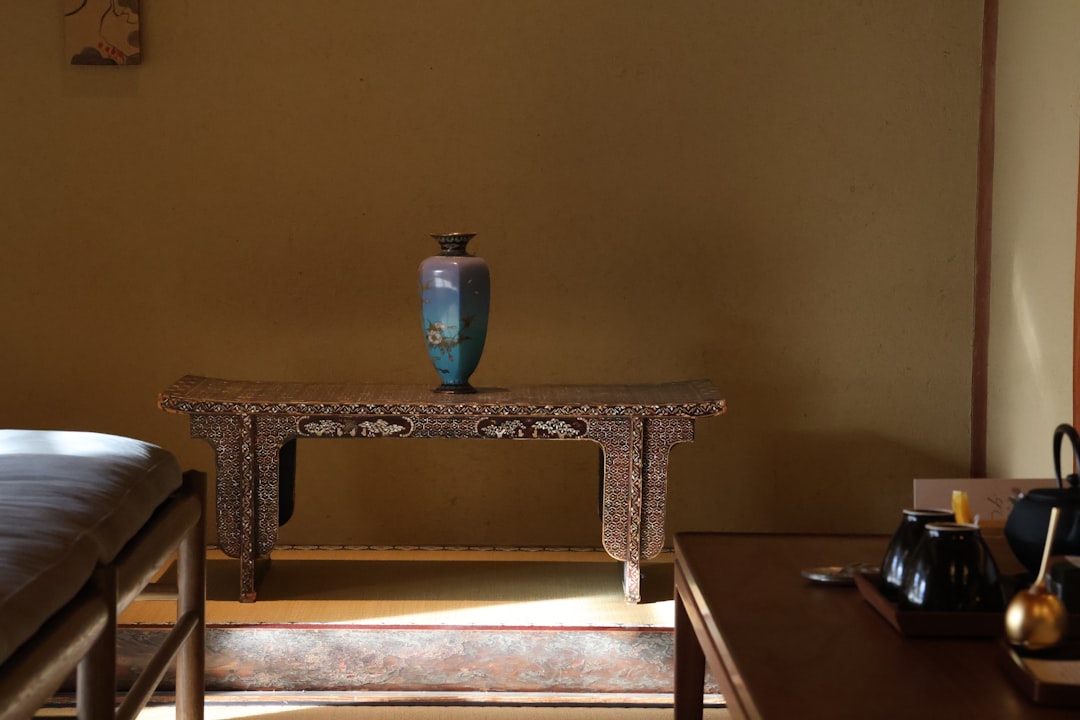

Photo by Yanhao Fang on Unsplash
Japanese business hotels are one of the most practical and budget-friendly accommodation options for travelers exploring Japan, whether you’re on a whirlwind city tour, a solo backpacking trip, or a work assignment in Tokyo, Osaka, or Nagoya. Unlike ryokan or luxury hotels, business hotels prioritize efficiency, cleanliness, and compact functionality over spaciousness. But don’t let the small footprint fool you — these rooms are often packed with clever amenities that make your stay remarkably comfortable. This guide breaks down everything you can expect to find in a typical Japanese business hotel, so you know exactly what you’re paying for and how to make the most of it.
What Exactly Is a Japanese Business Hotel?
Business hotels (bijinesu hoteru) emerged in Japan to serve traveling salarymen who needed affordable, no-frills lodging near train stations. Today they cater to tourists as well, offering single, double, and twin rooms that are compact but efficient. Chains like Toyoko Inn, APA Hotel, Route Inn, Dormy Inn, and Comfort Hotel dominate this category, and while amenities vary slightly between brands, most follow a similar formula that balances cost and convenience.
In-Room Amenities You Can Expect
Bedding and Furniture
Most rooms include a semi-double or double bed with high-quality Japanese-style mattresses and pillows, a small desk with a chair (handy for remote work), a flat-screen TV, and a compact wardrobe or open closet space. Rooms are designed for one or two guests, so don’t expect much floor space, but everything you need is usually within arm’s reach.
Yukata and Loungewear
Many business hotels provide a yukata (a casual cotton robe) for guests to wear around the room or even to the on-site communal bath if available. This is a small but delightful touch that adds a touch of traditional comfort to an otherwise modern stay.
Toiletries and Bathroom Essentials
Expect a full set of toiletries including toothbrush, razor, hairbrush, shower cap, cotton swabs, and sometimes a hair tie. Shampoo, conditioner, and body wash are typically wall-mounted in the shower. Many hotels also supply skincare items like lotion or facial toner, especially in hotels targeting female travelers.
The Unit Bath
A hallmark of the business hotel experience is the unit bath — a prefabricated bathroom module combining toilet, sink, and either a bathtub or shower stall into one compact space. While cozy, these are efficiently designed, and many feature Japan’s famous washlet toilets with heated seats, bidet functions, and sometimes built-in deodorizers.
Technology and Connectivity
Free Wi-Fi is virtually universal in Japanese business hotels, and most rooms also offer a wired LAN connection for guests needing a stable connection for work. Televisions typically include cable channels and sometimes pay-per-view content. Some newer hotels feature USB charging ports built into bedside outlets, smart TVs with casting capability, and multilingual remote control interfaces for international guests.
Climate Control and Comfort Features
Individual air conditioning and heating units let you control the temperature of your own room, a small luxury not always available in shared hostel settings. Blackout curtains are standard, ensuring a good night’s sleep regardless of city lights outside. Some hotels also provide humidifiers or air purifiers, particularly useful during dry winter months.
Shared Facility Amenities
Communal Baths (Daiyokujo)
A growing number of business hotels, especially chains like Dormy Inn and Route Inn, feature large communal baths — sometimes even natural hot spring (onsen) baths — on the top floor. These are typically gender-separated and free to use for guests, offering a relaxing alternative to the small in-room unit bath.
Laundry Facilities
Coin laundry rooms are common, making business hotels ideal for longer stays or trips requiring frequent outfit changes. Detergent is often sold via vending machine, and dryers are usually available alongside washers.
Vending Machines and Convenience Corners
Most lobbies feature vending machines stocked with drinks, snacks, and sometimes toiletries or alcohol. Some hotels also have a small convenience corner selling instant noodles, rice balls, or sundries for guests arriving after nearby stores have closed.
Breakfast Options
Many Japanese business hotels offer a buffet-style breakfast for an additional fee, ranging from simple Western-style spreads with toast, eggs, and coffee, to elaborate Japanese breakfasts featuring rice, miso soup, grilled fish, and local specialties. Some hotels, particularly Dormy Inn, are known for surprisingly generous and delicious breakfast buffets that rival higher-end accommodations.
Extra Touches Worth Noting
- Slippers provided for indoor use, as outdoor shoes are typically not worn inside the room
- Humidifiers or air purifiers in select rooms
- Late check-out options for a small fee
- Smoking and non-smoking floor options clearly separated
- Automatic check-in kiosks at some properties for faster, contactless arrival
- Umbrella rental or loan service at the front desk
Tips for Choosing the Right Business Hotel
When booking, pay attention to room size listed in square meters, as this varies more than amenities do. Check whether breakfast is included or optional, and look for reviews mentioning the communal bath if that’s a priority for you. Proximity to train stations is another major factor, since most business hotels are built with commuters and travelers in mind, often just a few minutes’ walk from major transit hubs.
Frequently Asked Questions
Do business hotels provide toothbrushes and other toiletries?
Yes, nearly all Japanese business hotels supply a full amenity kit including toothbrush, razor, and basic skincare items, though eco-conscious chains may ask guests to opt in due to sustainability initiatives.
Is breakfast included in the room rate?
It depends on the hotel and rate plan. Some rates include breakfast, while others offer it as a paid add-on, typically between 500 and 1,500 yen per person.
Are business hotel rooms suitable for families?
Business hotel rooms are generally compact and best suited for solo travelers or couples. Families may need to book twin rooms or connecting rooms, or consider larger hotel categories instead.
Final Thoughts
Japanese business hotels prove that small spaces can still deliver big comfort. With thoughtful amenities ranging from washlet toilets to communal hot spring baths, these hotels offer excellent value for travelers who want convenience, cleanliness, and a taste of Japanese hospitality without the higher price tag of a traditional ryokan or upscale hotel. Understanding what to expect ahead of time will help you choose the right property and make the most of every amenity on offer during your stay in Japan.