Welcome to the World of Izakaya
If you want to understand the real rhythm of Tokyo life, skip the temples for one evening and step into an izakaya. These casual Japanese gastropubs are where business deals are softened, stress from the office is released, and lifelong friendships are forged over cold beer and sizzling skewers. For the Tokyo salaryman, the izakaya is not just a place to eat and drink—it is a social institution with its own unwritten rules, rituals, and etiquette. This guide will walk you through everything you need to know to drink, eat, and socialize like a local at Japan’s beloved after-work watering holes.
What Exactly Is an Izakaya?
An izakaya is essentially a Japanese pub that serves a wide variety of small, shareable dishes alongside alcoholic drinks. The word itself combines “i” (to stay) and “sakaya” (sake shop), reflecting its origin as a sake shop where customers began lingering to drink on the premises. Today’s izakaya ranges from smoky, retro standing bars under train tracks to sleek modern chains with tablet ordering systems. Despite the variety, the core concept remains the same: relaxed, communal dining paired with copious amounts of beer, sake, shochu, and highballs.
Types of Izakaya You’ll Encounter
- Chain Izakaya – Affordable and predictable, these include well-known names found in nearly every train station district. Great for beginners due to picture menus and English support.
- Local Neighborhood Izakaya – Small, family-run spots with regular customers. Menus may be handwritten and Japanese-only, but the atmosphere is unbeatable.
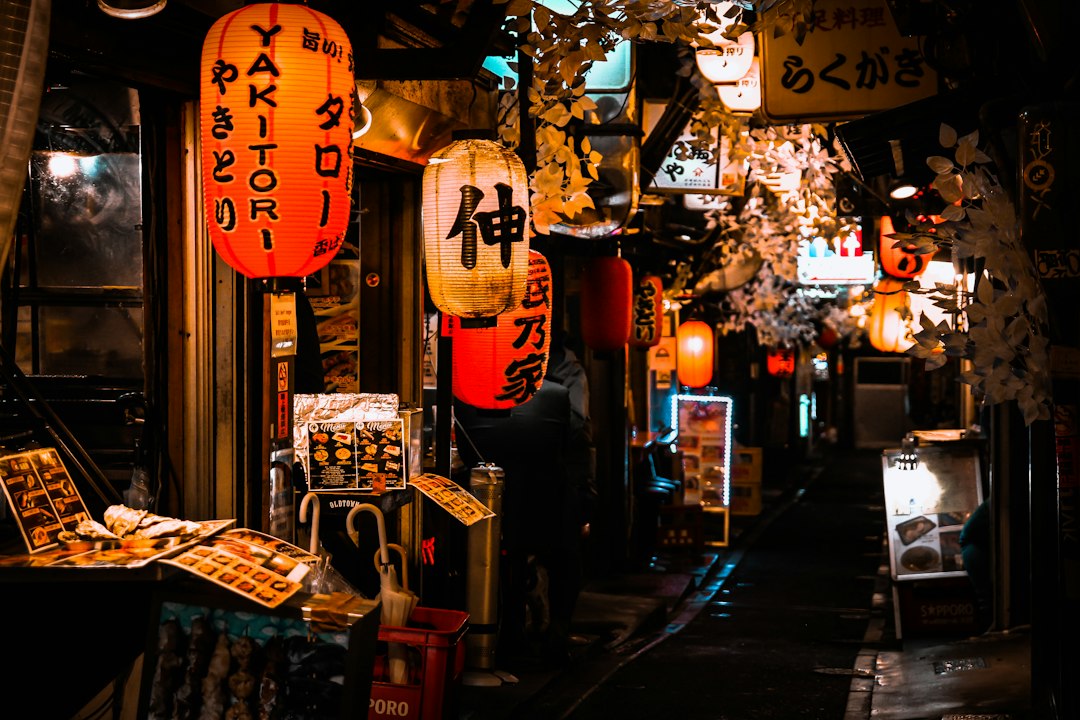
- Yokocho Alley Bars – Tiny standing-room or counter-only izakaya packed into narrow alleyways, famous in areas like Shinjuku’s Omoide Yokocho.
- Robatayaki – Izakaya centered around open-fire grilling, where chefs cook skewers and seafood right in front of you.
The Salaryman Ritual: Nomikai Culture
No discussion of izakaya culture is complete without mentioning “nomikai,” the after-work drinking parties that are a cornerstone of Japanese corporate life. These gatherings are far more than casual happy hours—they are considered essential for building trust and smoothing hierarchical relationships within a company. Refusing an invitation, especially from a senior colleague, can sometimes be seen as socially awkward, though attitudes are gradually becoming more relaxed among younger generations.
Common Nomikai Occasions
- Welcome parties for new employees (kangeikai)
- Farewell parties for retiring or transferring staff (soubetsukai)
- End-of-year parties (bonenkai) to “forget the year’s hardships”
- New Year parties (shinnenkai)
- Casual after-work unwinding sessions, often spontaneous
During nomikai, hierarchy still matters, but alcohol also acts as a social equalizer, allowing junior staff to speak more freely with bosses—a phenomenon sometimes called “nominication,” a blend of the Japanese word for drinking (nomu) and communication.
Izakaya Etiquette Every Visitor Should Know
Understanding the subtle etiquette of izakaya culture will help you blend in and show respect for local customs, whether you’re joining Japanese colleagues or simply visiting solo.
1. The Otoshi (Table Charge Appetizer)
When you sit down, you’ll often be served a small dish automatically—this is the otoshi, a mandatory appetizer that functions as a seating charge, usually costing a few hundred yen. It is not optional and cannot be refused, so don’t be alarmed when it appears without being ordered.
2. Kanpai Before You Drink
Never take a sip of your drink before everyone at the table has their glass ready and the group has toasted together with a hearty “Kanpai!” (Cheers). Drinking alone before the toast is considered impolite.
3. Pouring Drinks for Others
In traditional Japanese drinking culture, it is customary to pour drinks for others rather than for yourself, especially for seniors or hosts. Keep an eye on your companions’ glasses and offer a refill when they run low. In return, allow others to pour for you rather than topping up your own glass.
4. Ordering Style: Shared Small Plates
Izakaya dishes are meant to be shared family-style. It’s common to order a variety of small plates for the table rather than individual entrees. A typical order might include edamame, yakitori skewers, karaage (fried chicken), sashimi, grilled fish, and a hot pot dish, paced throughout the evening rather than served all at once.
5. The Nomihoudai System
Many izakaya offer “nomihoudai,” an all-you-can-drink course for a fixed time and price, often two hours. This is extremely popular for large group nomikai and offers great value if your group plans to drink steadily throughout the night.
What to Order: Essential Izakaya Dishes
- Yakitori – Grilled chicken skewers, available in dozens of cuts from thigh to skin to cartilage.
- Edamame – Salted boiled soybeans, the quintessential beer companion.
- Karaage – Japanese-style fried chicken, crispy outside and juicy inside.
- Sashimi Moriawase – An assorted platter of fresh raw fish.
- Agedashi Tofu – Lightly fried tofu in a savory dashi broth.
- Tamagoyaki – Sweet rolled omelette, a comforting classic.
- Motsu Nabe – A hearty hot pot made with beef or pork offal, popular in colder months.
What to Drink: Navigating the Izakaya Menu
Beer is the default starting drink at almost every izakaya, often ordered as a “toriaezu biru” (“beer for now”) while the group decides on food. Beyond beer, you’ll find an extensive selection of sake, shochu (distilled spirit often mixed with water, soda, or oolong tea), and highballs—whisky mixed with soda, which has become hugely popular among salarymen for being light, refreshing, and affordable during long drinking sessions. Umeshu, a sweet plum liqueur, is a favorite among those who prefer something less bitter.
Timing and Atmosphere: When to Go
Izakaya truly come alive after 6 p.m. as offices empty out across Tokyo’s business districts. Areas like Shimbashi, Shinjuku, and Ikebukuro transform into buzzing hubs of loosened ties and laughter. Weeknights, particularly Thursdays and Fridays, tend to be the busiest for nomikai gatherings. If you want a quieter, more intimate experience, aim for an early evening visit around 5 or 6 p.m. before the after-work crowds arrive.
Tips for Solo Travelers and Beginners
- Look for izakaya with counter seating—these are perfect and welcoming for solo diners.
- Don’t be afraid of izakaya without English menus; picture menus or food replicas in the window can guide your order.
- Budget roughly 3,000 to 5,000 yen per person for a satisfying meal with drinks.
- Observe how locals order and pour drinks—mimicking these small gestures goes a long way in showing respect.
- It’s perfectly acceptable to order just one or two dishes and nurse a drink; there’s no pressure to overconsume.
Final Thoughts
Izakaya drinking culture offers a fascinating window into the social fabric of Tokyo life, revealing how hierarchy, camaraderie, and relaxation intertwine over shared plates and clinking glasses. Whether you’re an expat navigating your first company nomikai or a curious traveler eager to eat and drink like a local, embracing izakaya etiquette will transform a simple meal into a memorable cultural experience. So loosen your tie, raise your glass, and say kanpai—Tokyo’s izakaya scene is waiting to welcome you in.
Photo by Pema G. Lama on Unsplash