Why Hokkaido Is Japan’s Ultimate Winter Crab Destination
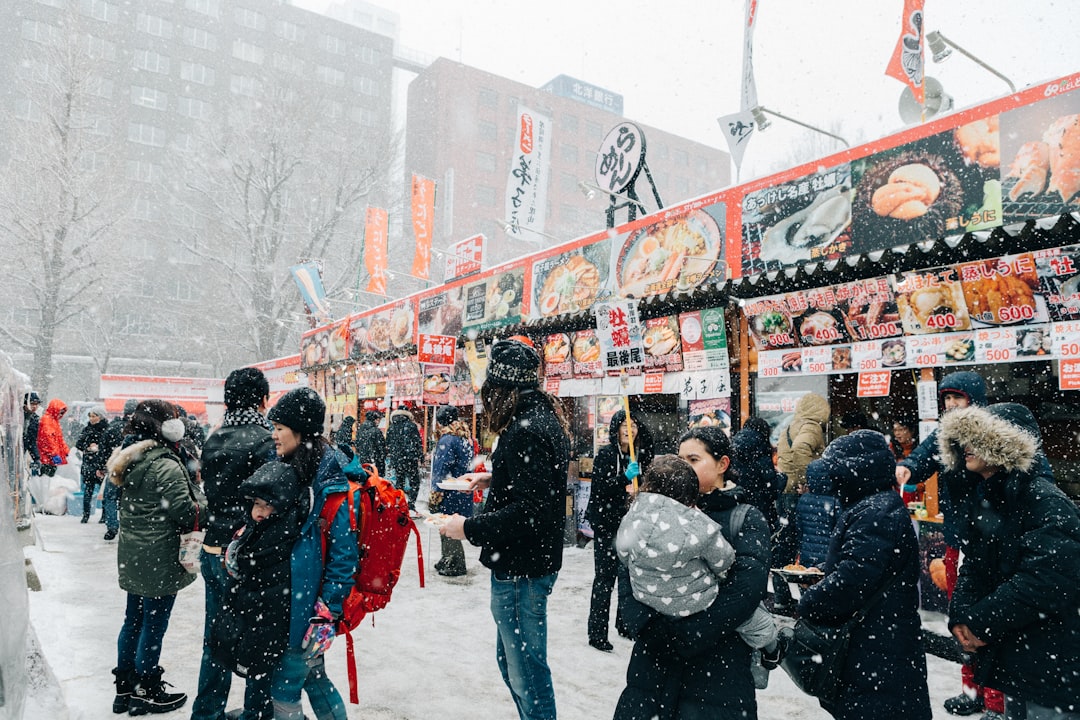
When snow blankets the northern island and the air turns crisp, Hokkaido transforms into Japan’s most celebrated destination for crab lovers. A hokkaido crab seafood market tasting tour is one of the most rewarding ways to spend a winter or New Year holiday in Japan, combining the thrill of bustling fish markets with the comfort of piping-hot crab dishes eaten while snowflakes drift outside. The cold ocean waters surrounding Hokkaido produce some of the sweetest, meatiest crab in the world, and winter is peak season for freshness and flavor. Whether you are escaping the holiday crowds of Tokyo or building a dedicated food itinerary around Sapporo’s snow festival season, exploring Hokkaido’s seafood markets should be at the top of your list.
Best Seafood Markets for a Hokkaido Crab Tasting Tour
Sapporo Nijo Market
Located in the heart of Sapporo, Nijo Market is a compact but lively arcade of seafood stalls, tasting counters, and casual eateries. In winter, vendors display steaming king crab legs and snow crab clusters right at the entrance, and many stalls let you sample small portions before committing to a full meal. It’s an easy first stop after arriving in the city, especially if you’re also visiting nearby illuminations or the Sapporo Snow Festival grounds.
Hakodate Morning Market
Hakodate’s Asaichi Market is famous for its early opening hours, making it perfect for travelers who want to avoid the midday New Year crowds. Arrive before 8am to watch fishmongers prepare fresh crab, sea urchin, and squid, then sit down at one of the small kaisendon counters for a rice bowl piled high with crab meat. Because Hakodate sees fewer tourists than Sapporo during winter break, it’s an excellent choice for a quieter, more relaxed tasting experience.
Otaru Sankaku Market
Just a short train ride from Sapporo, the canal town of Otaru offers a charming, less crowded alternative to the capital’s markets. Sankaku Market’s narrow lanes are lined with shops selling grilled crab legs, crab miso soup, and hairy crab sashimi. Pair your tasting with a stroll along Otaru’s snow-dusted canal, especially beautiful when lit up for winter illumination events.
Kushiro Washo Market
On Hokkaido’s eastern coast, Kushiro Washo Market is beloved for its build-your-own seafood rice bowl, called katte-don. Buy a bowl of rice, then wander the stalls choosing fresh crab, roe, and other seafood toppings. It’s an interactive, budget-friendly way to enjoy a custom crab tasting tour without joining a formal guided group.
Know Your Crab: King, Snow, and Hairy Crab Explained
Understanding the three main crab varieties will help you get the most from your market visit.
- King Crab (Tarabagani): The largest and most luxurious option, prized for its thick, sweet leg meat, often grilled or served as sashimi.
- Snow Crab (Zuwaigani): Slightly smaller with delicate, tender flesh, commonly enjoyed boiled or in hot pot.
- Hairy Crab (Kegani): Smaller in size but famous for its rich, creamy crab miso (tomalley), best eaten raw or lightly steamed.
Many markets offer tasting sets that include small portions of all three, allowing you to compare textures and flavors in a single sitting.
What to Expect on a Guided Tasting Tour
Guided hokkaido crab seafood market tasting tours typically last two to three hours and include a local guide who explains crab varieties, negotiates with vendors, and translates menus. Expect to visit multiple stalls, sample grilled and raw preparations, and finish with a full crab meal such as kani-shabu (crab hot pot) or a crab rice bowl. Some tours also include a visit to a sake shop for a warming pairing recommendation, ideal for winter weather.
Winter Travel Prep: Staying Warm While Market Hopping
Markets in Hokkaido are often semi-outdoor or have open-air sections, so cold-weather preparation is essential for comfortable tasting.
- Dress in thermal base layers topped with a windproof, insulated coat.
- Wear waterproof boots with good grip, as market floors and outdoor walkways can be icy.
- Bring disposable hand warmers to tuck into pockets between food stops.
- Pack a thin scarf or neck gaiter, useful both outdoors and in drafty market corridors.
- Stay hydrated; cold air and heated indoor spaces can be surprisingly dehydrating.
Crowd Avoidance Tips for New Year and Winter Break Travelers
Late December through early January is one of the busiest periods for Hokkaido tourism, as visitors combine crab tasting with hatsumode shrine visits and snow festival sightseeing. To avoid long lines and sold-out stalls, visit markets right at opening time, ideally before 9am. Weekdays are noticeably quieter than weekends, and the days immediately before New Year’s Eve tend to be busier than early January, when many local shops briefly close for the holiday. Booking a small-group or private tasting tour in advance also guarantees your spot at popular counters that otherwise sell out during peak winter break travel dates.
Sample One-Day Crab Tasting Itinerary
Start your morning at Hakodate Morning Market for a crab-topped rice bowl breakfast, then take the train to Otaru for a midday stroll and grilled crab leg snack at Sankaku Market. In the evening, arrive in Sapporo for a sit-down crab hot pot dinner paired with local sake, followed by a walk through the city’s winter illumination displays. This itinerary balances market exploration, warm comfort food, and scenic winter sights while minimizing backtracking.
Pairing Crab with Other Hokkaido Winter Comforts
Crab tastes even better alongside Hokkaido’s other cold-season specialties. Many restaurants near the markets serve crab hot pot (kani-nabe) simmered tableside, perfect for warming up after a day in the snow. Others offer crab miso ramen, blending rich broth with sweet crab flavor. For a cozy finish, seek out a restaurant with kotatsu-style low seating, where you can tuck your legs under a heated table blanket while enjoying dessert and hot tea.
Booking Tips and Practical Advice
Reserve guided tours at least a few weeks ahead if traveling during the New Year period, as availability shrinks quickly. Carry small cash denominations, since many stalls are cash-only. Check individual shop hours carefully, as some vendors close early on New Year’s Day and the days surrounding it. Finally, ask your accommodation for local recommendations, as market vendor quality can shift slightly season to season.
Frequently Asked Questions
Is winter really the best time for crab in Hokkaido?
Yes, winter is peak season for king and snow crab, offering the freshest catch and the most robust flavor of the year.
Do I need to join an organized tour, or can I explore markets independently?
Both approaches work well. Independent exploration is budget-friendly and flexible, while a guided tour saves time and offers deeper cultural context, especially useful for first-time visitors during busy holiday weeks.
How much should I budget for a crab tasting experience?
Prices vary widely, but a satisfying tasting session with multiple crab types typically costs a moderate amount per person, with king crab dishes priced higher than snow or hairy crab options.
Final Thoughts
A hokkaido crab seafood market tasting tour offers one of the most memorable culinary experiences available during a Japan winter or New Year getaway. By choosing the right markets, dressing properly for the cold, and timing your visits to dodge holiday crowds, you’ll enjoy sweet, fresh crab in one of the most atmospheric snowy settings imaginable. Add this tour to your itinerary, and let Hokkaido’s winter seafood become the highlight of your seasonal travels.
Photo by Denny Ryanto on Unsplash