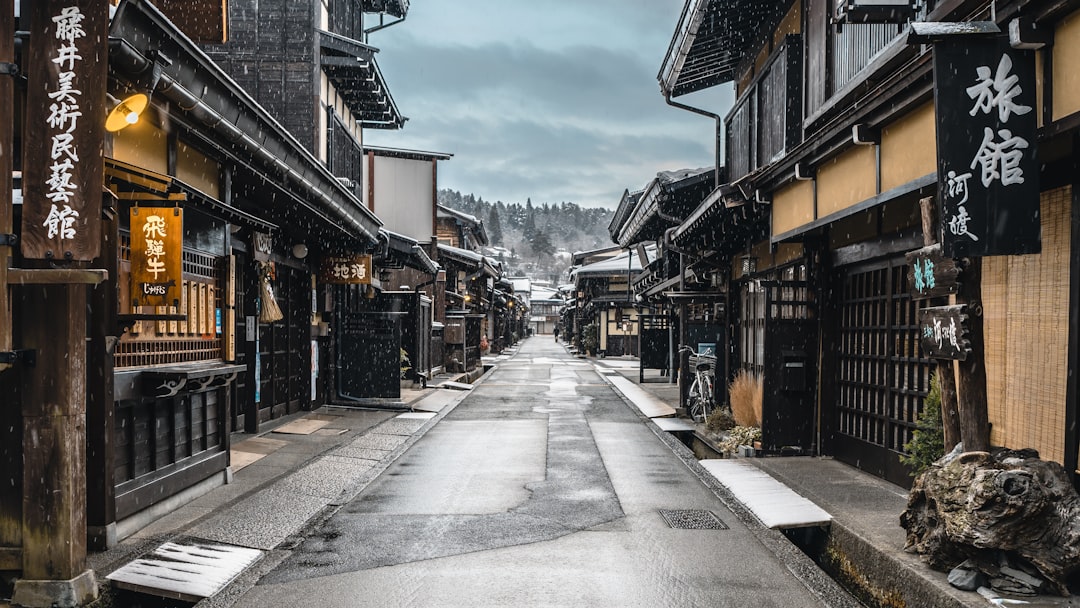
Why Stay in a Historic Guesthouse in Takayama Old Town
Tucked in the mountains of the Hida region, Takayama is one of the few places in Japan where an entire merchant district has survived centuries of fires, wars, and modernization fully intact. Walking through its old town at dusk, when the day-trippers have gone home and the lanterns flicker on outside centuries-old sake breweries, feels like stepping into an Edo-period woodblock print. The best way to experience this magic isn’t just a daytime stroll—it’s staying overnight in one of the town’s historic guesthouses, many of which occupy buildings that have sheltered travelers, merchants, and craftsmen for well over a hundred years.
Unlike staying in a modern hotel on the edge of town, a historic guesthouse stay in Takayama’s old town puts you directly inside the atmosphere you came to see. You wake up to the sound of wooden shutters being opened, smell miso soup simmering in a shared kitchen, and can wander the lantern-lit streets after the tour buses depart, having the entire district practically to yourself.
What Makes Takayama’s Old Town So Special
Takayama’s Sanmachi Suji district, the heart of the old town, is lined with dark wooden facades, latticed windows, and narrow eaves that once belonged to sake merchants, oil sellers, and craftsmen who supplied the region’s temples and castles. The town largely escaped the bombing raids and rapid redevelopment that erased similar districts elsewhere in Japan, meaning many of the guesthouses here aren’t just built in a ‘traditional style’—they are the genuine historic buildings, with beams, floors, and tatami rooms that carry real age and character.
This authenticity is precisely why so many travelers seek out a historic guesthouse rather than a chain hotel. It transforms your trip from sightseeing into something closer to time travel.
Types of Historic Accommodation in Takayama Old Town
Traditional Ryokan
Ryokan in the old town typically offer tatami-mat rooms, futon bedding laid out each evening, yukata robes, and multi-course kaiseki dinners featuring Hida beef, mountain vegetables, and river fish. Many of these ryokan occupy former merchant houses, so you might dine in a room with centuries-old wooden beams overhead or soak in a bath built from local cypress wood.
Machiya Guesthouses
Machiya are traditional townhouses, and several have been lovingly converted into small guesthouses or self-contained rental homes. These tend to be quieter and more intimate than ryokan, often run by a single family or couple, and give guests a chance to experience daily life inside a historic wooden structure—complete with irori (sunken hearths), sliding fusuma doors, and small interior courtyards.
Family-Run Minshuku
Minshuku are simpler, more affordable guesthouses, often run by local families who have owned the property for generations. Breakfast and dinner are usually home-cooked and served communally, giving guests a chance to chat with hosts and other travelers. For visitors who want an authentic, unpretentious old-town experience without the higher price tag of a ryokan, minshuku are an excellent choice.
What to Expect During Your Stay
- Futon bedding: Most historic guesthouses use futon on tatami floors rather than Western-style beds, offering a more traditional sleeping experience.
- Shared or private baths: Some older buildings feature communal baths, occasionally fed by natural hot spring water piped in from nearby onsen sources, while renovated properties may offer private en-suite bathrooms.
- Seasonal, home-style meals: Breakfast often includes grilled fish, rice, miso soup, and pickles, while dinner may showcase Hida beef sukiyaki, river fish grilled over charcoal, or hoba miso (miso grilled on a magnolia leaf).
- Creaking floors and thin walls: Part of the charm of a century-old wooden building is that it isn’t soundproof. Light sleepers may want to pack earplugs.
- Early curfews: Many smaller guesthouses lock their doors at a set time in the evening, so check in advance if you plan a late dinner or drinks outside the old town.
How to Choose the Right Historic Guesthouse
Location Within the Old Town
Staying directly within Sanmachi Suji means you can enjoy the atmospheric streets before the crowds arrive and after they leave, but it can also mean narrower access roads unsuitable for cars. Guesthouses just on the edge of the old town, within a five- to ten-minute walk, often offer a good balance of atmosphere and convenience, including easier parking and slightly lower rates.
Meal Plans
Decide whether you want a stay with two meals included (common at ryokan and minshuku), breakfast only, or room-only. Old town restaurants tend to close relatively early, so a stay with dinner included can be more convenient, especially in quieter seasons.
Bath Facilities
If soaking in a hot spring bath is a priority, look specifically for guesthouses advertising onsen or genuine hot spring water, as not all old-town properties have access to natural spring sources despite the region’s reputation for hot springs.
Building Age and Preservation
Some properties emphasize their history explicitly, noting the era their building dates from or its former use as a merchant house, sake shop, or warehouse. If authenticity is your priority, ask directly about the age and history of the building when booking or reading reviews.
Tips for a Smooth Historic Guesthouse Stay
- Book well in advance, especially around major festivals, as historic guesthouses tend to be small with limited rooms.
- Bring a light robe or extra layer, as older wooden buildings can be cooler in winter despite modern heating additions.
- Remove shoes promptly at the entrance and use the provided indoor slippers, switching to separate slippers for bathroom areas.
- Ask your host for restaurant and walking route recommendations—many hosts have generations-deep local knowledge of the town’s hidden corners.
- Pack a small flashlight or use your phone light for evening walks, as some backstreets are dimly lit after dark, enhancing the atmosphere but requiring some caution.
Making the Most of Your Old Town Stay
Once you’ve checked in, resist the urge to rush out sightseeing immediately. Instead, take a slow walk before dinner while the light is soft and shops are closing their wooden shutters one by one. After your evening meal, head back out—the old town at night, lit only by lanterns and the occasional glow from a sake shop window, is a completely different experience from its daytime bustle. Early risers are rewarded too: mornings in the old town are quiet and cool, perfect for photographing the empty streets before breakfast.
Final Thoughts
A historic guesthouse stay in Takayama’s old town offers something increasingly rare in modern travel: genuine immersion in a place’s history, not just observation of it. Whether you choose a full-service ryokan with kaiseki dining or a simple family-run minshuku, sleeping within these centuries-old wooden walls transforms a visit to Takayama from a pleasant stopover into one of the most memorable stays of a Japan itinerary.
Photo by Rogério Toledo on Unsplash