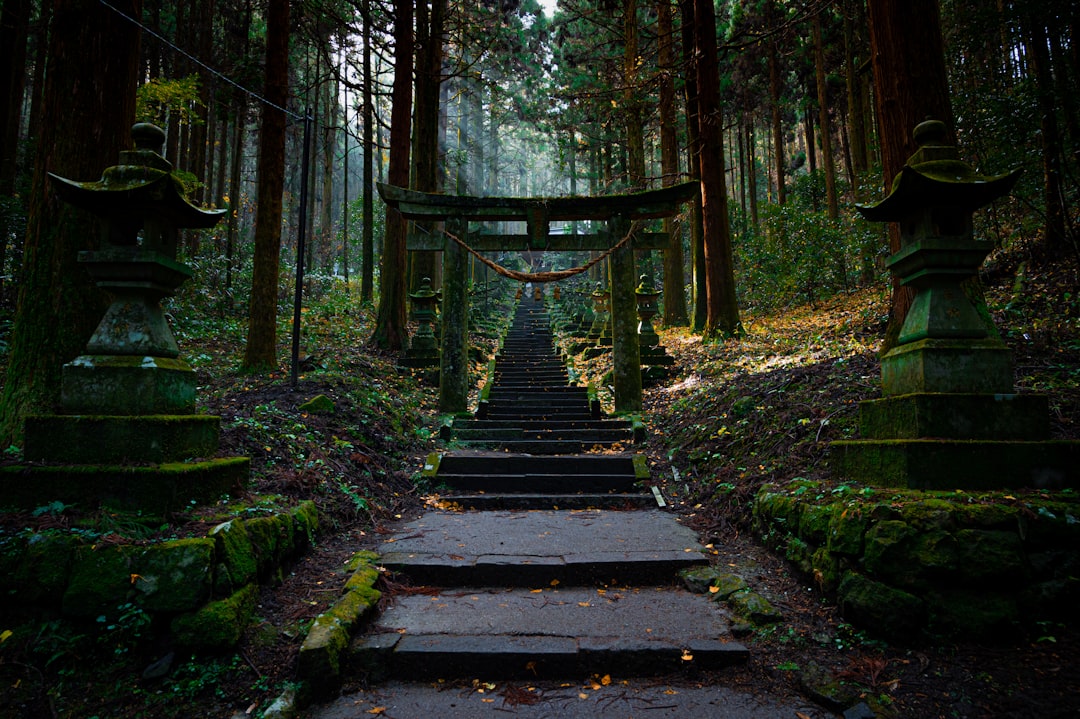
Introduction to Eiheiji Temple Stay
Tucked away in the cedar forests of Fukui Prefecture, Eiheiji Temple is one of Japan’s most revered Zen Buddhist training monasteries. For travelers seeking more than just sightseeing, a temple stay at Eiheiji offers a rare opportunity to step into the disciplined, meditative world of Soto Zen Buddhism. This is not a luxury retreat with spa treatments and gourmet meals; it is an authentic immersion into monastic life, complete with early morning wake-up calls, silent meditation, austere vegetarian meals, and rigorous rules of conduct. If you are curious about what it truly means to live like a Zen monk, even for a night or two, Eiheiji provides one of the most genuine experiences available anywhere in Japan.
The History and Significance of Eiheiji Temple
Founded in the 13th century by the monk Dogen Zenji, Eiheiji Temple, whose name translates to Temple of Eternal Peace, remains one of the two head temples of the Soto Zen sect. Unlike many temples that have become primarily tourist attractions, Eiheiji continues to function as an active training center where hundreds of monks study, meditate, and live according to strict Zen principles that have been passed down for centuries. The temple complex itself is a sprawling network of wooden buildings connected by covered corridors, nestled among towering cedar trees that create an atmosphere of profound tranquility. Walking through these halls, visitors can sense the weight of centuries of unbroken tradition, making Eiheiji not just a place to visit but a living piece of Japanese spiritual history.
What Is a Zen Temple Stay Experience
A temple stay, known in Japanese as sanzen or sankei, allows lay visitors to experience a condensed version of monastic training. At Eiheiji, this typically involves an overnight or multi-day program where guests follow the same schedule as resident monks, participate in zazen seated meditation sessions, join in sutra chanting, eat traditional shojin ryori vegetarian cuisine, and sometimes assist with simple temple duties such as cleaning. The experience is designed to strip away the distractions of daily life and encourage mindfulness, discipline, and inner reflection. Many participants describe it as one of the most humbling and transformative experiences of their travels in Japan, precisely because it demands full participation rather than passive observation.
A Typical Daily Schedule During the Stay
Days at Eiheiji begin remarkably early, often before dawn, with a wake-up call as early as 3:30 or 4:00 in the morning. Guests are expected to dress quickly and quietly before joining monks for the first zazen meditation session of the day. This is followed by a formal chanting service in the main hall, where the rhythmic sound of sutras being recited fills the cavernous wooden space. Breakfast is served according to strict monastic etiquette, with specific rules about how to hold utensils, how to eat in silence, and how to express gratitude for the meal. The remainder of the day may include temple tours, work duties, additional meditation sessions, and periods of rest. Lights out typically comes early in the evening, as the body adjusts to the demanding rhythm of monastic life. While the schedule is exhausting for newcomers, many find that by the end of their stay they feel a surprising sense of clarity and calm.
Shojin Ryori: The Zen Vegetarian Cuisine
Meals at Eiheiji are an integral part of the spiritual practice, not merely sustenance. Shojin ryori, the traditional Buddhist vegetarian cuisine, avoids meat, fish, and pungent vegetables like garlic and onion, focusing instead on seasonal vegetables, tofu, rice, and pickles prepared with meticulous care. Every dish is arranged with intention, reflecting the Zen philosophy that cooking itself is a form of meditation. Guests eat using a formal set of nested bowls called oryoki, following precise rituals for unwrapping, filling, and cleaning them that have remained unchanged for generations. Learning this ritual is often cited as one of the most memorable aspects of the entire temple stay experience.
Meditation, Chanting, and Monastic Etiquette
Central to the Eiheiji experience is zazen, the seated meditation practice that forms the core of Soto Zen training. Visitors are taught proper posture, breathing techniques, and the mental discipline required to sit still for extended periods, sometimes accompanied by a monk gently correcting posture with a wooden stick called a keisaku. Beyond meditation, guests are expected to observe strict etiquette throughout their stay, including specific ways of walking through corridors, bowing when entering rooms, and maintaining silence during designated hours. While these rules may feel overwhelming at first, they are designed to cultivate mindfulness in every action, transforming even mundane movements into moments of awareness.
How to Prepare for Your Eiheiji Temple Stay
- Reservations are typically required well in advance, and some programs may have limited availability or specific eligibility requirements, so checking directly with the temple’s official channels is essential.
- Comfortable, modest clothing suitable for sitting on the floor and moving through cold wooden corridors is recommended, as the temple can be quite chilly, especially in the early morning hours.
- Basic Japanese language ability is helpful, though some programs may offer limited English guidance, so patience and adaptability are important.
- Physical stamina matters, as the schedule involves early waking hours, extended periods of sitting, and walking across the expansive temple grounds.
- Personal items such as toiletries, a flashlight for pre-dawn corridors, and layers for warmth should be packed thoughtfully.
What Makes Eiheiji Different from Other Temple Stays
Japan offers many temple stay programs, particularly around Koyasan and Kyoto, but Eiheiji stands out for its uncompromising authenticity. Because it remains a fully functioning training monastery rather than a tourism-oriented facility, the experience here is stricter and less accommodating to casual visitors seeking comfort. This rigor is precisely what draws serious spiritual seekers and curious travelers alike, as it offers an unfiltered glimpse into the life of a Zen monk rather than a softened version tailored for tourists. Those who complete a stay at Eiheiji often speak of a profound shift in perspective, having experienced firsthand the discipline and simplicity that define Zen Buddhist practice.
Exploring the Surrounding Area
Beyond the temple itself, the surrounding town of Eiheiji offers charming approaches lined with souvenir shops, tofu specialty restaurants, and quiet walking paths through cedar forests. Fukui Prefecture as a whole is known for its dramatic coastline, dinosaur museums, and traditional crafts, making it worthwhile to extend a trip beyond the temple stay itself. Many visitors combine their Eiheiji experience with a broader exploration of the Hokuriku region, taking advantage of the area’s excellent seafood, hot springs, and scenic train routes.
Final Thoughts on the Eiheiji Temple Stay Experience
A temple stay at Eiheiji is not designed to be comfortable in the conventional sense, but its value lies precisely in that discomfort. Stripped of modern distractions and guided by centuries-old ritual, visitors are given a rare chance to slow down, observe their own minds, and experience a way of life that has remained remarkably consistent since the temple’s founding. Whether you are drawn by genuine spiritual curiosity or simply want to understand Zen Buddhism beyond books and documentaries, spending a night within Eiheiji’s ancient wooden halls offers a memorable and quietly profound encounter with one of Japan’s most enduring traditions.
Photo by Samuel Berner on Unsplash