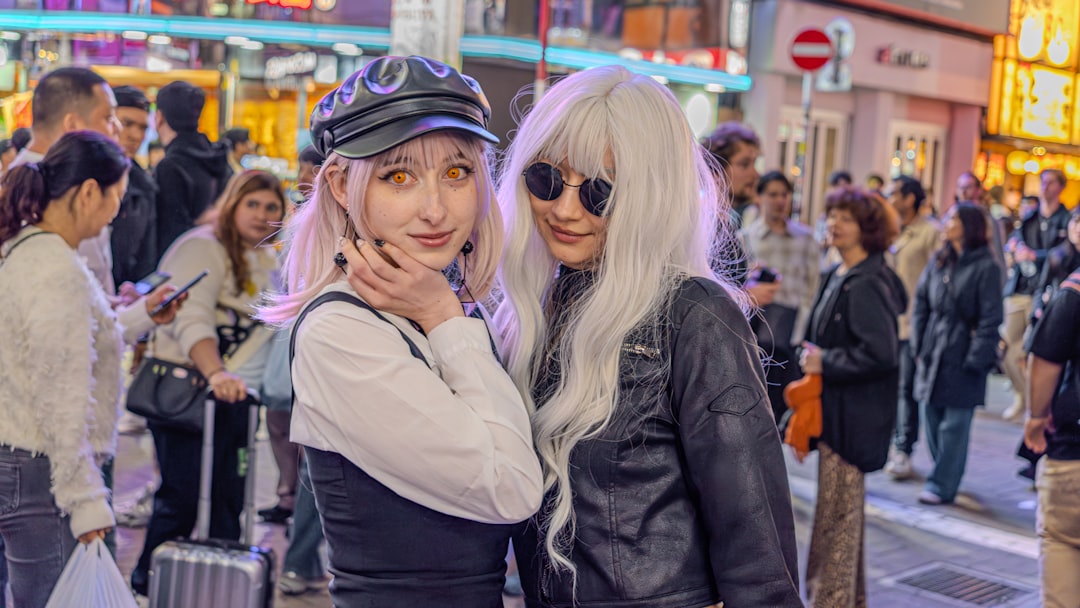
What Is Comiket and Why Cosplayers Love It
Comic Market, universally known as Comiket, is the world’s largest self-published comic and fan-created content fair, held twice a year at Tokyo Big Sight in the Odaiba/Ariake waterfront district. While the event is famous for doujinshi (fan-made manga and novels), it has also become one of the largest and most vibrant cosplay gatherings on the planet. Thousands of cosplayers descend on the venue dressed as characters from anime, manga, video games, and Vocaloid, turning the outdoor plazas into a living, breathing exhibition of Japanese pop culture creativity.
For any anime or manga fan visiting Japan, witnessing Comiket cosplay culture firsthand is a bucket-list experience. This guide will walk you through everything a first-time visitor needs to know, from tickets and timing to etiquette and photography rules.
When and Where Comiket Takes Place
Comiket is traditionally held twice a year, once in the summer and once in the winter, always at Tokyo Big Sight (Tokyo International Exhibition Center) in Koto Ward. The event typically spans three days, usually over a weekend, with different genres and circles featured on different days. Because dates shift slightly each year, always check the official Comiket website or Twitter/X account close to your travel dates for the exact schedule.
Getting to Tokyo Big Sight
- Take the Yurikamome Line to Kokusai-Tenjijo-Seimon Station, which drops you right at the venue’s entrance.
- Alternatively, use the Rinkai Line to Kokusai-Tenjijo Station, followed by a short walk.
- Expect extremely crowded trains during event hours, especially in the morning when doors open.
- Arriving early (before 6:30 AM) is common practice for serious attendees, as queues can stretch for hours.
Where to Find Cosplayers
Unlike the main exhibition halls, which are reserved for doujinshi circles and general attendees, cosplay activities at Comiket are confined to a designated cosplay area, usually located outside the main halls in an open plaza or rooftop space. This system keeps the indoor halls focused on shopping while giving cosplayers a dedicated, spacious area to pose, network, and be photographed.
- Look for the roped-off cosplay zone, often near the event’s outdoor plaza or rooftop garden.
- Staff and volunteers wearing vests help manage the flow of photographers and cosplayers.
- Popular series change with the season, so you might see a wave of costumes themed around whatever anime, game, or Vocaloid trend is currently popular.
Rules Every Visitor Must Know
Comiket has a strict and well-organized rulebook, and cosplay participants and photographers alike are expected to follow it closely. Understanding these rules in advance will make your visit smoother and more respectful.
For Cosplayers
- All cosplayers must register and receive a numbered badge or wristband before changing into costume.
- Costumes must not expose excessive skin; Comiket enforces modesty guidelines stricter than many Western conventions.
- Weapon props must be approved, and realistic-looking replicas are often prohibited or must be peace-bonded.
- Changing rooms are provided; changing in public restrooms or hallways is not allowed.
- Cosplayers must change back into regular clothes before leaving the venue and are not permitted to travel on public transport in costume.
For Photographers and Spectators
- Always ask permission before photographing a cosplayer, even if they appear to be posing publicly.
- Do not touch a cosplayer’s costume or props without explicit consent.
- Photography is generally restricted to the designated cosplay zone; taking photos inside the main exhibition halls of cosplayers is discouraged.
- Commercial photography or filming for monetized content may require special permission from event organizers.
Tickets, Catalogs, and Entry
Comiket does not require advance tickets for general same-day entry in most cases, but a paid catalog (available in print or digital app form) often functions as a de facto entry pass and is essential for navigating the massive circle listings. Purchasing the catalog ahead of time, either at Japanese convenience stores or through the official app, is highly recommended.
- Entry is typically free for general visitors on standard days, though some special days may have controlled entry systems.
- The catalog provides a full map of circle locations, a crucial tool given the venue’s sheer scale.
- Bring cash, as many doujinshi circles and food vendors do not accept credit cards.
What to Bring
- Comfortable walking shoes, since you’ll be on your feet for hours navigating a massive convention center.
- A large tote bag or backpack for carrying purchased doujinshi and merchandise.
- A portable phone charger, as photo-taking and map-checking drain batteries quickly.
- Cash in small denominations for quick transactions.
- Sun protection or rain gear if you plan to spend time in the outdoor cosplay area, since weather exposure is common.
- A refillable water bottle, particularly important during summer Comiket dates when heat can be intense.
Tips for First-Time Visitors
- Arrive early to beat both the crowds and the midday heat, especially during the summer event.
- Wear breathable clothing, as the venue and surrounding plazas can get extremely warm with tens of thousands of attendees.
- Plan your route using the catalog app before entering, since the halls are enormous and easy to get lost in.
- Stay hydrated and take breaks in shaded or air-conditioned rest areas provided around the venue.
- If you want to cosplay yourself, research the specific rules for costume modesty and prop restrictions well in advance to avoid being turned away at registration.
- Be respectful of personal space; the cosplay area can get crowded, and pushing for a better photo angle is considered poor etiquette.
Where to Stay Nearby
Since Tokyo Big Sight is located in the Odaiba and Ariake waterfront area, staying in nearby districts like Shinagawa, Tokyo Station, or even within Odaiba itself can cut down on commute time. Many attendees choose hotels along the Yurikamome or Rinkai lines for direct access to the venue, avoiding the worst of the morning crowds.
Final Thoughts
Comiket is far more than a shopping event for manga enthusiasts; it’s a full-blown celebration of Japanese fan culture, with cosplay playing a starring role in the atmosphere. Whether you’re there to admire elaborate costumes, snap respectful photos, or dress up yourself, understanding the venue’s etiquette, logistics, and rules will help you enjoy this iconic Tokyo event to its fullest. With some preparation, comfortable shoes, and an open mind, your Comiket cosplay experience is sure to become one of the highlights of your Japan trip.
Photo by Bhanu Singh on Unsplash