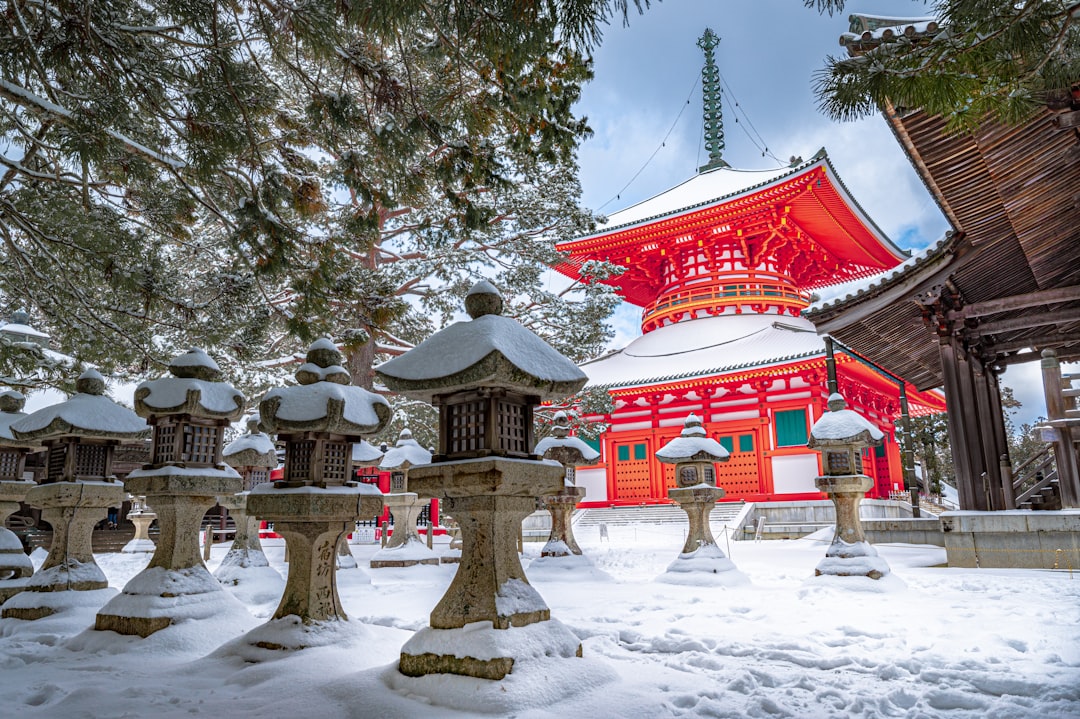
Few winter traditions capture the spirit of a Japanese New Year quite like hatsumode, the first shrine or temple visit of the year. As snow occasionally dusts the rooftops of Tokyo and the city settles into its quiet holiday rhythm, millions of residents bundle up in coats and scarves to pray for good fortune, health, and success in the months ahead. If you’re planning a winter break trip to Japan and want to experience this beloved custom yourself, this guide covers the best shrines for hatsumode near Tokyo, along with practical cold-weather tips and crowd-avoidance strategies to make your visit smooth and memorable.
What Is Hatsumode and Why It Matters
Hatsumode literally means “first shrine visit,” and it is traditionally done during the first few days of January, though many shrines welcome visitors throughout the entire month. Worshippers toss a coin into the offering box, bow twice, clap twice, make a wish, and bow once more. Many also purchase omamori (protective amulets), draw omikuji (fortune slips), and enjoy festive stalls selling amazake, roasted sweet potatoes, and other warming winter snacks. For travelers, hatsumode offers a rare window into authentic Japanese spiritual culture wrapped in a festive, community atmosphere.
Best Shrines for Hatsumode Near Tokyo
Meiji Jingu (Shibuya)
Meiji Jingu is consistently the most visited hatsumode destination in all of Japan, drawing several million visitors in the first days of the year. Tucked inside a forested park near Harajuku, this Shinto shrine honors Emperor Meiji and Empress Shoken. The towering torii gates and gravel approach feel worlds away from the neon of Shibuya, even though it’s just minutes away. Expect enormous crowds, but the atmosphere—lantern-lit paths, taiko drums, and steam rising from food stalls in the cold air—is unforgettable.
Senso-ji (Asakusa)
Tokyo’s oldest temple, Senso-ji, is technically Buddhist rather than Shinto, but hatsumode traditions apply here too. The iconic Kaminarimon gate and Nakamise shopping street glow with New Year decorations, and the giant incense cauldron draws crowds seeking purification. Arrive early morning or late evening to avoid the thickest crowds around midday on January 1st through 3rd.
Kanda Myojin (Chiyoda)
A smaller but historically significant shrine near Akihabara, Kanda Myojin is beloved for its associations with business prosperity and, more recently, pop culture (it appears in several anime). The compact grounds mean it fills up quickly, but the wait times are generally shorter than at Meiji Jingu, making it a great alternative for travelers short on time.
Hie Shrine (Akasaka)
Hie Shrine’s dramatic vermillion torii tunnel is a photogenic highlight, and its central location near Nagatacho makes it convenient for those staying in the Roppongi or Akasaka areas. It tends to be less crowded than Meiji Jingu while still offering a beautifully traditional hatsumode experience with stalls and ceremonial fires.
Tsurugaoka Hachimangu (Kamakura)
For a rewarding day trip, Kamakura’s Tsurugaoka Hachimangu is one of the most important shrines in the Kanto region. Set against a backdrop of wooded hills, it offers a slightly slower-paced, more historic atmosphere than central Tokyo shrines, plus the chance to combine hatsumode with sightseeing at the Great Buddha and coastal temples.
Narita-san Shinsho-ji (Narita)
Located near Narita Airport, this temple is famous for its massive hatsumode crowds—often ranking among the top three most-visited spiritual sites in Japan during New Year. It’s an excellent option if you’re flying in or out of Narita and want to combine your pilgrimage with your travel itinerary.
Oyama Afuri Shrine (Kanagawa)
For travelers wanting a quieter, nature-immersed experience, Oyama Afuri Shrine sits partway up Mount Oyama in Kanagawa Prefecture. Reaching the shrine involves a cable car and a scenic hike, rewarding visitors with sweeping winter views and a far smaller crowd than central Tokyo locations.
Crowd Avoidance Strategies
- Visit on January 2nd or 3rd rather than January 1st, when the very largest crowds gather right after midnight.
- Arrive at dawn (around 6-7am) or in the early evening after 8pm, when foot traffic thins considerably.
- Consider mid-to-late January visits; shrines remain festively decorated and welcoming well beyond the first three days, without the overwhelming crowds.
- Choose secondary shrines like Kanda Myojin, Hie Shrine, or Oyama Afuri instead of the most famous spots if you prefer a calmer atmosphere.
- Check shrine websites or social media for real-time crowd updates and special New Year opening hours.
Cold-Weather Preparation Tips
Hatsumode visits often involve standing in long outdoor lines during Tokyo’s chilly winter mornings and evenings, so preparation matters. Dress in warm layers, including thermal base layers, a heavy coat, gloves, and a scarf, since temperatures can dip close to freezing, especially before sunrise. Wear comfortable, insulated footwear, as you may be standing on cold pavement or gravel for extended periods. Disposable heat packs (kairo), sold at nearly every convenience store, are inexpensive lifesavers tucked into pockets or shoes. Bring a thermos or purchase hot amazake and roasted sweet potatoes from stalls to warm up from the inside. If you plan to visit late at night, check that trains are running on adjusted holiday schedules, as some lines operate all night on New Year’s Eve specifically for hatsumode travelers.
Hatsumode Etiquette Tips
- Bow slightly before passing through the torii gate, and try to walk along the sides of the path rather than the center, which is traditionally reserved for the deities.
- Purify your hands and mouth at the temizuya (water basin) before approaching the main hall.
- Follow the two bows, two claps, one bow ritual when praying, and keep your wish brief and respectful.
- Photography rules vary by shrine, so look for posted signs, especially near the main worship hall.
- Consider purchasing a new omamori and returning last year’s charm to a designated collection box for ceremonial burning.
Planning Your Winter New Year Trip
Because hatsumode coincides with one of Japan’s busiest travel periods, book accommodations and shinkansen tickets well in advance if you’re combining shrine visits with sightseeing in Kamakura, Narita, or beyond. Many shops and restaurants close for a few days around January 1st to 3rd, so plan meals accordingly, and take advantage of nearby food stalls at shrine grounds, which remain reliably open. Layer your itinerary with indoor attractions and warm cafes between shrine visits to balance the cold with cozy breaks—there’s nothing quite like warming up with a bowl of ramen or a kotatsu-side coffee after a frosty morning of prayer.
Final Thoughts
Experiencing hatsumode near Tokyo offers travelers a beautifully authentic glimpse into Japanese New Year culture, blending spirituality, tradition, and communal celebration against a backdrop of winter chill. Whether you choose the grandeur of Meiji Jingu, the historic charm of Kamakura, or a quieter mountain shrine like Oyama Afuri, planning ahead for crowds and cold weather will ensure your first shrine visit of the year is both meaningful and comfortable.
Photo by Samuel Berner on Unsplash