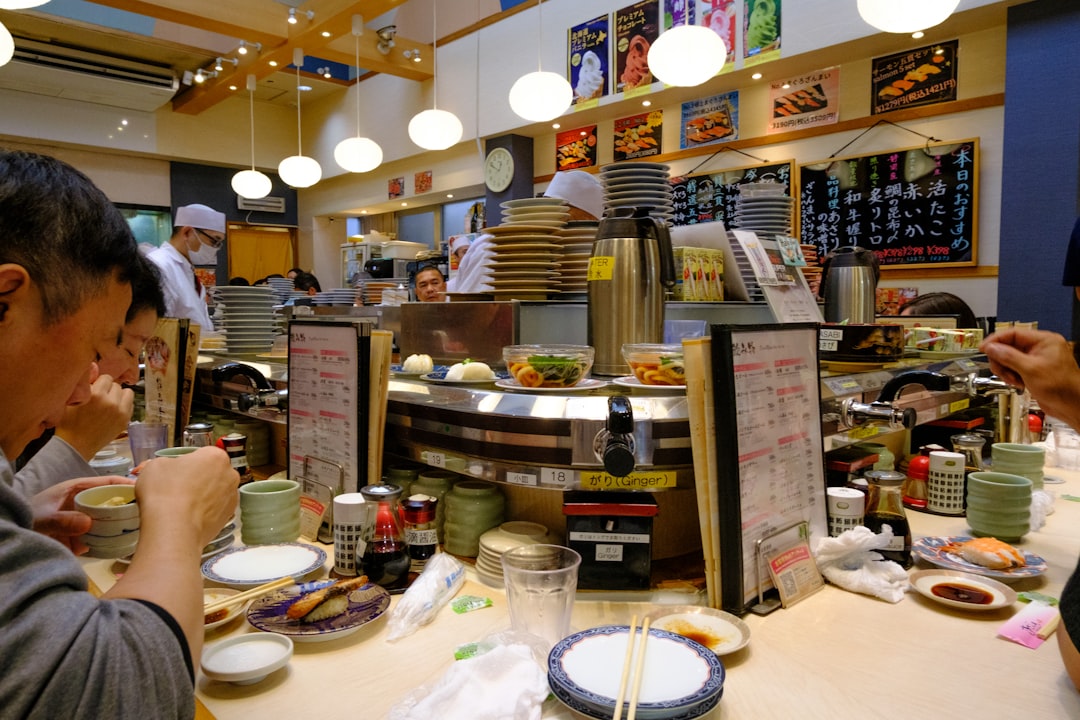

Photo by Mateo Krossler on Unsplash
Why Kaiten Sushi Is the Ultimate Budget Dining Experience in Japan
Few dining experiences capture the fun and efficiency of Japanese food culture quite like kaiten sushi, also known as conveyor belt sushi or kaiten-zushi. Plates of freshly prepared sushi glide past on a rotating belt, letting diners grab whatever catches their eye. It is fast, affordable, and endlessly entertaining, making it a favorite among locals and travelers alike. Whether you are a solo backpacker or traveling with a hungry family, kaiten sushi chains offer some of the best value for money you will find anywhere in Japan.
Unlike high-end sushi omakase experiences that can cost tens of thousands of yen, kaiten sushi restaurants typically charge based on plate color or a flat rate per dish, often between 100 and 200 yen. This transparent pricing system makes it easy to control your budget while still enjoying high-quality, fresh seafood. In this guide, we break down the best kaiten sushi chains across Japan so you can eat well without breaking the bank.
What Makes a Great Kaiten Sushi Chain?
Before diving into specific chains, it helps to understand what separates a good conveyor belt sushi restaurant from a mediocre one. Key factors include freshness of ingredients, variety of menu items, seasonal specials, side dishes like ramen or dessert, and overall value for money. Many modern kaiten sushi chains have also embraced technology, allowing customers to order directly via touchscreen tablets, which then deliver plates via a high-speed mini shinkansen-style track directly to your seat.
1. Sushiro
Sushiro is widely considered the most popular kaiten sushi chain in Japan, and for good reason. With locations in nearly every major city and many smaller towns, Sushiro combines consistent quality with an enormous menu that goes far beyond sushi, including ramen, tempura, and dessert items like matcha parfaits. Standard plates often start around 115 yen, making it extremely wallet-friendly. Sushiro is known for its rigorous freshness standards, discarding unsold sushi within a set time frame to maintain quality. The touchscreen ordering system is intuitive even for non-Japanese speakers, often featuring English, Chinese, and Korean language options.
2. Kura Sushi
Kura Sushi stands out for its entertainment factor. Every time you stack five empty plates into the tableside slot, you get a chance to play a small arcade-style game on the screen, winning a capsule toy prize. This makes it a particularly fun choice for families traveling with children. Beyond the gimmicks, Kura Sushi maintains a strong commitment to food safety, using a plate cover system called “Mr. Fresh” that keeps each dish hygienically sealed until it reaches your table. Prices are similarly affordable, generally starting around 115 yen per plate, and the chain is known for using no artificial preservatives, colorings, or sweeteners.
3. Hama Sushi
Hama Sushi, operated by the Zensho Group, is another excellent budget option with locations throughout Japan. It offers some of the lowest base prices among major chains, often starting at 110 yen per plate. Hama Sushi is particularly popular for its generous portions and rotating seasonal menus that highlight regional specialties. The chain also frequently runs limited-time promotions, such as all-you-can-eat sushi courses during certain hours, which can be a fantastic deal for big eaters.
4. Genki Sushi
Genki Sushi has a smaller footprint compared to the giants above but is beloved for its innovative ordering technology. At many locations, plates are delivered directly to your table via a high-speed conveyor lane after you order through a tablet, bypassing the traditional rotating belt entirely. This ensures maximum freshness since you receive sushi made to order rather than picking from plates that have been circulating. Genki Sushi is particularly popular in Tokyo and has also expanded internationally, giving travelers a taste of what to expect before or after their trip to Japan.
5. Uobei
Uobei, a sister brand under the same parent company as Genki Sushi, takes the tablet-ordering concept even further with minimal reliance on a physical rotating belt. Popular in busy districts like Shibuya, Uobei is ideal for solo diners or those in a hurry, as the high-speed delivery system minimizes wait times. The counter-only seating style keeps costs low and turnover high, which translates to consistently fresh sushi at bargain prices.
Tips for Maximizing Value at Kaiten Sushi Restaurants
- Visit during off-peak hours, such as mid-afternoon, to avoid long waits and enjoy freshly prepared plates without the lunch or dinner rush.
- Pay attention to plate colors, as many chains use color-coded plates to indicate price tiers, allowing you to easily track your total bill as you eat.
- Take advantage of seasonal and regional specials, which often showcase local seafood at attractive prices and offer flavors you will not find elsewhere.
- Order tea and side dishes wisely, as items like miso soup, chawanmushi, and dessert plates can add up quickly if you are not mindful of your budget.
- Use the touchscreen ordering system to explore the full menu, since many limited or premium items are not always displayed on the physical conveyor belt.
Is Kaiten Sushi Good Quality?
A common misconception among first-time visitors is that budget-friendly kaiten sushi must mean lower quality. In reality, major chains invest heavily in sourcing fresh fish, often working directly with fishing ports and wholesale markets to secure quality ingredients at scale. While it may not match the precision of an artisanal sushi master with decades of experience, kaiten sushi delivers impressively fresh, flavorful bites that satisfy both casual diners and sushi enthusiasts on a budget.
Vegetarian and Non-Sushi Options
Kaiten sushi chains have expanded their menus considerably in recent years to accommodate diverse tastes and dietary preferences. Most locations now offer cooked options like tamago (sweet egg), inari (fried tofu pouches), cucumber rolls, and vegetable tempura, making them relatively accessible for vegetarians, though strict vegans should note that dashi broth often contains fish stock. Additionally, many chains serve non-sushi items such as karaage fried chicken, udon, and soft-serve ice cream, ensuring there is something for every member of your travel group, including picky eaters or children.
Final Thoughts on Budget Sushi Dining in Japan
Kaiten sushi chains represent one of the best culinary experiences Japan has to offer for budget-conscious travelers. The combination of affordability, quality, and the interactive fun of watching plates circulate or arrive via high-speed rail makes these restaurants a must-visit during any trip to Japan. Whether you find yourself at a bustling Sushiro in Osaka, playing arcade games between bites at Kura Sushi, or enjoying rapid tablet-ordered plates at Uobei in Shibuya, you are guaranteed a satisfying and memorable meal without straining your travel budget. Next time you are planning your Japan itinerary, be sure to carve out time for at least one kaiten sushi experience, it is a delicious slice of everyday Japanese culture that should not be missed.