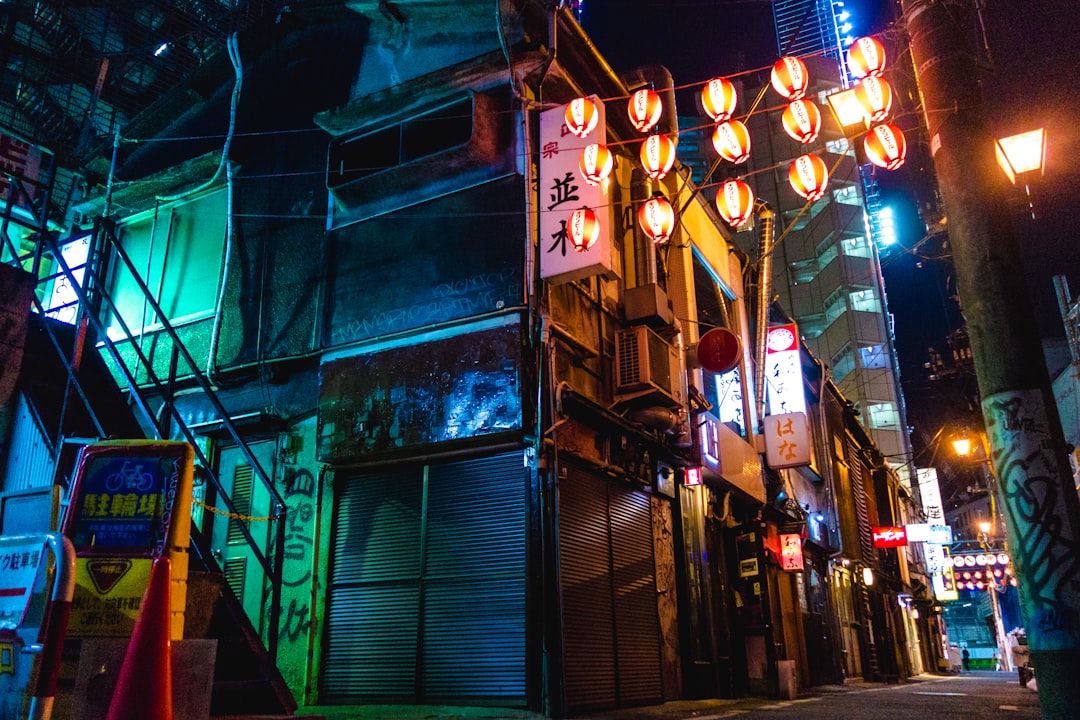

Photo by Austin Crow on Unsplash
Why Choose a Capsule Hotel in Tokyo?
Capsule hotels are one of Japan’s most iconic accommodation inventions, and Tokyo remains the best city in the world to experience them. Born out of necessity for salarymen who missed the last train home, capsule hotels have evolved into stylish, comfortable, and surprisingly affordable places to stay for tourists, solo travelers, and even couples seeking a uniquely Japanese experience. Whether you’re on a budget backpacking trip or simply curious about this futuristic style of lodging, Tokyo offers capsule hotels to suit every taste and travel style.
In this guide, we’ll walk you through what to expect from a capsule hotel stay, the best areas in Tokyo to find them, top recommendations across different budgets and styles, and practical tips to make your stay comfortable and hassle-free.
What Is a Capsule Hotel, Exactly?
A capsule hotel consists of stacked, pod-like sleeping compartments arranged in rows, usually two levels high. Each capsule typically includes a mattress, pillow, blanket, a small reading light, an outlet for charging devices, and sometimes a small television or ventilation control. Guests store their luggage in a locker and share communal bathrooms, showers, and lounge areas.
Modern capsule hotels in Tokyo have moved far beyond the utilitarian pods of the past. Many now feature designer interiors, spa facilities, saunas, co-working spaces, and even female-only floors for solo women travelers. Some blur the line between hostel and boutique hotel, offering a genuinely comfortable and stylish night’s sleep.
Who Should Stay in a Capsule Hotel?
- Budget travelers looking to save money without sacrificing cleanliness or safety.
- Solo travelers who want a social atmosphere with shared lounges and communal spaces.
- Business travelers who missed the last train and need a convenient overnight stay near the station.
- Curious tourists who want to experience a quintessentially Japanese style of accommodation at least once.
- Sauna and onsen enthusiasts, since many capsule hotels include impressive bathing facilities.
Capsule hotels may not suit everyone. If you value complete privacy, are traveling with small children, or feel claustrophobic in enclosed spaces, a traditional hotel room might be a better fit.
Best Areas in Tokyo for Capsule Hotels
Shinjuku
Shinjuku is one of the most popular districts for capsule hotels thanks to its excellent transport connections, nightlife, and proximity to major attractions. Many capsule hotels here cater specifically to travelers who want convenience and entertainment options right outside their door.
Akihabara
Known for its electronics shops and otaku culture, Akihabara also has a growing number of stylish capsule hotels, often themed around anime, gaming, or minimalist design.
Asakusa
For travelers who want to be near traditional Tokyo sights like Senso-ji Temple, Asakusa offers charming, often more affordable capsule hotel options with an old-town atmosphere.
Ueno
Close to major museums and Ueno Park, this area offers excellent value capsule hotels with easy access to the JR Yamanote Line, making it simple to explore the rest of the city.
Top Capsule Hotel Recommendations in Tokyo
1. Luxury and Design-Focused Options
Several high-end capsule hotels in Tokyo have redefined the category entirely. These properties feature sleek Scandinavian-inspired interiors, high-quality bedding, artisanal amenities, and sophisticated communal lounges that feel more like boutique hotel lobbies than budget hostels. Expect features like temperature-controlled capsules, blackout curtains, premium linens, and beautifully designed shared bathrooms with rainfall showers. These are perfect for travelers who want the novelty of a capsule experience without compromising on comfort or aesthetics.
2. Wellness and Onsen-Style Capsule Hotels
A number of Tokyo’s capsule hotels are built around large communal bathing areas, saunas, and relaxation lounges, essentially functioning as urban spa retreats with sleeping pods attached. These are ideal after a long day of walking around the city, as guests can soak in hot baths, use sauna facilities, and unwind in relaxation areas before retiring to their capsule for the night. Many also offer complimentary loungewear, so you can spend your entire evening in comfortable robes without needing to change back into street clothes.
3. Female-Only and Mixed-Friendly Options
Solo women travelers will be pleased to know that many Tokyo capsule hotels offer dedicated female-only floors or entire female-only properties, complete with enhanced security, skincare amenity sets, and quieter lounge spaces. These accommodations prioritize safety and comfort, making them an excellent choice for women traveling alone through Japan.
4. Budget-Friendly Classic Capsule Hotels
For travelers who want the most authentic, no-frills version of the capsule hotel experience, classic budget properties near major train stations remain widely available. These often cater to a mix of local businessmen and international tourists, offering simple but clean capsules, communal baths, and vending machine dining options. They’re an excellent way to save money while still being centrally located.
5. Co-Working and Digital Nomad Friendly Capsule Hotels
As remote work has grown in popularity, some Tokyo capsule hotels have added dedicated co-working lounges with fast Wi-Fi, desks, and printing facilities. These are great options for digital nomads who want an affordable base in Tokyo while still being able to get work done comfortably during the day.
What to Expect During Your Stay
Check-In Process
Most capsule hotels have a straightforward check-in process at a front desk, where you’ll receive a key or wristband for your locker and capsule. Shoes are typically removed at the entrance and stored in a shoe locker, following Japanese custom.
Amenities Provided
Many capsule hotels provide a set of pajamas or loungewear, a toothbrush, razor, and other basic toiletries. Towels are usually included, and larger properties may have vending machines, communal kitchens, or on-site restaurants.
Bathing Facilities
Since most capsules don’t include private bathrooms, communal baths and showers are standard. Many properties feature Japanese-style baths, sometimes with different themes or views, and it’s customary to wash thoroughly before entering a shared soaking tub.
Noise and Privacy Considerations
Capsules typically have a curtain or sliding door for privacy, but they are not soundproof. Light sleepers may want to bring earplugs, and most hotels enforce quiet hours to ensure a peaceful environment for all guests.
Practical Tips for a Comfortable Capsule Hotel Stay
- Book in advance, especially during peak travel seasons, as popular capsule hotels can sell out quickly.
- Pack light, since capsule hotels typically offer smaller lockers than traditional hotel closets.
- Bring earplugs and an eye mask for better sleep in shared sleeping areas.
- Check the hotel’s policy on luggage size, as some properties have limited storage space for large suitcases.
- Confirm whether the property is mixed-gender or offers separate floors, especially if traveling solo.
- Take advantage of onsite baths and lounges to make the most of your stay.
Final Thoughts
Capsule hotels offer a fascinating window into Japanese ingenuity, efficiency, and hospitality. Far from feeling like a compromise, a well-chosen capsule hotel in Tokyo can provide comfort, convenience, and a memorable cultural experience all at once. Whether you’re drawn to luxury design-forward pods, wellness-focused properties with incredible bathing facilities, or classic budget-friendly options near the train station, Tokyo has a capsule hotel to match your travel style and budget.
Next time you’re planning a trip to Tokyo, consider stepping outside the traditional hotel room and into a capsule. It’s an experience that captures the spirit of Japanese innovation, and one that many travelers end up recommending to friends long after their trip has ended.