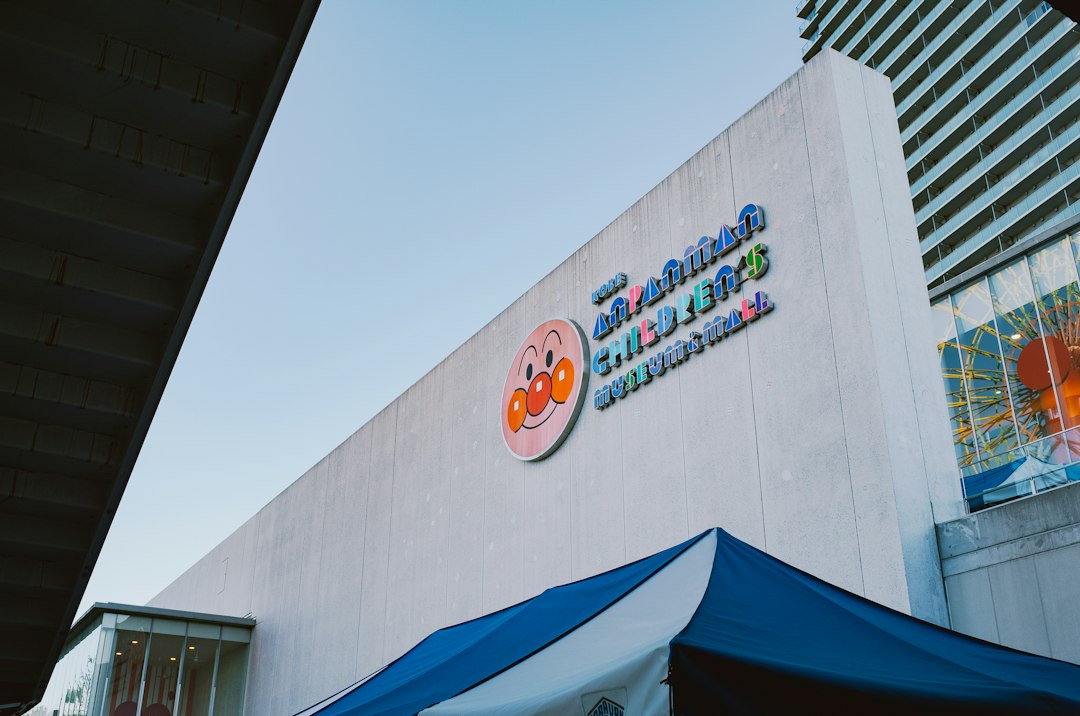
If you’re trying to decide which Anpanman Children’s Museum to visit, book the Yokohama one first if you can — it’s the original, it’s the biggest, and it’s a 10-minute walk from Minatomirai Station on the Minatomirai Line. Tickets must be bought in advance through the official website (no walk-up sales at the Yokohama location), and they sell out during Japanese school holidays weeks ahead, so this isn’t a spot you can decide on the same morning.
What the Anpanman Children’s Museum Actually Is
This isn’t a theme park with roller coasters. It’s a chain of indoor play facilities based on Yanase Takashi’s Anpanman anime, aimed squarely at children roughly 6 months to 6 years old. Each location has two zones: a paid museum floor with play structures, a small theater, and photo sets, plus a free attached shopping mall with an Anpanman-themed bakery, toy shops, and a food court. There are currently museums in Yokohama, Kobe, Nagoya, Sendai, Fukuoka, and Kokura (Kitakyushu) — six in total, each run slightly differently in terms of pricing and ticketing.
Yokohama Anpanman Children’s Museum & Mall (the main one)
Address: 2-1-2 Shinko, Naka-ku, Yokohama, in the Minatomirai waterfront district, a few minutes’ walk from the Red Brick Warehouse (Akarenga Soko) and the Cosmo World ferris wheel. Nearest station is Minatomirai Station on the Minatomirai Line (about 8-10 minutes on foot) or Bashamichi Station on the same line. From JR Yokohama Station it’s roughly 10 minutes by train plus the walk, or about 25-30 minutes on foot along the waterfront if your kids are up for a stroll first.
Opening hours are 10:00 to 18:00 daily, with last entry at 17:00. Admission is a flat rate per person aged 1 and over — no separate child/adult pricing like most attractions — and typically runs around ¥2,200 to ¥2,600 depending on the day and season, with infants under 1 free. Because it’s a timed-entry ticket system, you choose a specific entry slot online when booking, and once you’re in you can stay until closing.
Other Anpanman Museums and How They Differ
Kobe’s branch sits in the Harborland area near Kobe Station, close to the Umie shopping complex, and tends to be less crowded on weekdays than Yokohama. Nagoya’s location is out at Kinjo Futo, the same pier area as Legoland Japan, reachable via the Aonami Line’s Kinjo-futo Station — worth combining with a Legoland day since they’re a short walk apart. Sendai’s museum is inside the Sendai Port area near the Nippon Foundation Taiyo no Fune pier, a bit further from the city center, usually requiring a bus transfer from Sendai Station. Fukuoka’s is near Hakata, a short walk from Canal City Hakata’s south building. Kokura’s is the most transit-convenient of all six — it’s built directly inside JR Kokura Station in Kitakyushu, so you can visit without stepping outside, which matters if you’re traveling with a stroller in bad weather.
Booking Tickets Without Getting Stuck
Yokohama’s site is Japanese-only and requires advance purchase, typically released about a month ahead, with popular weekend and holiday slots gone within days. Kobe, Nagoya, Fukuoka, and Kokura have historically allowed same-day walk-in tickets outside peak periods like Golden Week, New Year, and summer vacation, but check the specific museum’s website before you travel since policies get adjusted seasonally. If you don’t read Japanese, use your browser’s translate function on the official site rather than a third-party booking agent — there isn’t really an English booking portal, and third-party resellers often mark up prices.
What’s Actually Inside
The paid floor is built around a soft, padded town set — a bread factory modeled on Uncle Jam’s Bakery, a small stage where Anpanman and Baikinman characters appear for a live show (usually three or four short performances a day, around 15 minutes each, posted on a board near the entrance), a ball pit, climbing structures, and a reading corner stocked with Yanase Takashi’s original picture books. There’s a dedicated baby crawling area with cushioned mats for children under 2, separate from the bigger-kid climbing zones, which parents of toddlers will appreciate. Photo opportunities are everywhere — a giant Anpanman face you can pose inside, a mini fire truck, and a replica of the bakery’s delivery car.
The Free Mall Side: Food and Shopping
You don’t need a ticket to enter the attached mall, which is often worth a stop even if you skip the paid museum. In Yokohama, Uncle Jam’s Bakery sells actual bread shaped like Anpanman’s face (around ¥350-450 per piece), and there’s a sit-down restaurant where the curry rice and plates are plated to look like the characters, priced around ¥1,200-1,800 for a kids’ set. The shops sell merchandise you genuinely can’t find in regular toy stores outside Japan — region-exclusive plush sizes, stationery, and birthday-cake-style Anpanman bread that needs to be pre-ordered a day ahead at the bakery counter.
Practical Tips for Visiting with Small Kids
- Go on a weekday morning right at the 10:00 opening if your ticket allows flexible timing — afternoons get noticeably louder and more crowded with nap-time meltdowns.
- Strollers aren’t usable inside the main play areas due to the padded flooring, but there’s a free stroller parking zone near the entrance and staff will point you to it.
- There’s a nursing room and diaper-changing stations on the museum floor, plus lockers (coin-operated, refundable) for coats and bags near the entrance.
- Bring a change of socks for kids — shoes come off before entering most play zones, and the floor can get damp near the water-play corner in summer.
- If you’re only passing through Japan briefly and can’t fit Yokohama into your schedule, Kokura’s station-integrated branch is the easiest to combine with a transit day, since it requires zero extra travel beyond your train connection.
One Thing to Plan Around
The paid museum sections are genuinely small — most families finish the play areas within 90 minutes to 2 hours, even with a toddler in tow, so don’t block out a full day for it. Pair it with something else nearby: in Yokohama that’s the Red Brick Warehouse or Cosmo World ferris wheel right next door, and in Nagoya it’s an easy combination with Legoland on the same pier. Also note that re-entry policies vary by location — Yokohama does not allow re-entry once you leave the paid floor, so finish your bakery shopping and bathroom breaks before you exit for good.
Photo by PJH on Unsplash