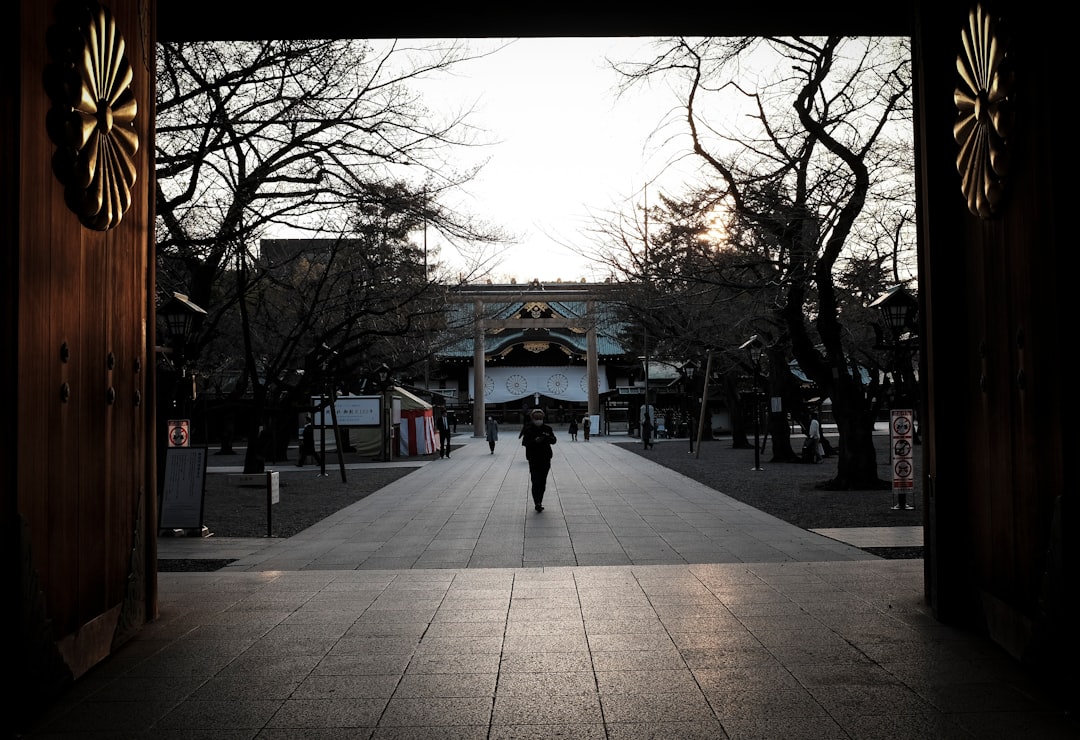

Photo by Hakan Nural on Unsplash
Chasing Comets and Twilight: A Your Name Pilgrimage Through Tokyo
Few anime films have captured hearts worldwide quite like Makoto Shinkai’s Your Name (Kimi no Na wa). This stunning tale of body-swapping teenagers, a mysterious comet, and destiny-crossed love isn’t just a cinematic masterpiece—it’s also a love letter to Tokyo’s most photogenic corners. For fans wanting to walk in Taki and Mitsuha’s footsteps, this guide maps out every essential Your Name pilgrimage location in Tokyo, known in Japan as ‘seichi junrei’ (sacred site pilgrimage).
What makes Your Name’s Tokyo unique is Shinkai’s obsessive attention to real-world detail. Unlike many anime that use fictionalized cityscapes, this film recreates actual streets, train stations, and staircases with photorealistic precision. Walking these locations feels like stepping directly into the movie’s frames.
Suga Shrine Staircase: The Iconic Finale Location
No Your Name pilgrimage is complete without visiting the now-legendary staircase near Suga Shrine (Suga Jinja) in Yotsuya, Shinjuku. This unassuming set of stone steps became instantly famous as the backdrop for the film’s emotionally charged climax, where Taki and Mitsuha finally reunite.
- Location: Near Suga Shrine, Yotsuya, Shinjuku Ward
- Best time to visit: Early morning or weekday afternoons to avoid crowds, especially avoiding golden hour when photographers gather
- Tip: The actual shrine itself is modest, but the staircase view down toward the city has become a mecca for cosplay photography and fan recreations
Be respectful when visiting—this is a residential area, and neighbors have grown accustomed to (though not always thrilled by) the steady stream of visitors attempting the film’s signature shot.
Shinjuku Gyoen: Where Twilight Magic Happens
Though not explicitly named in the film, Shinjuku Gyoen National Garden inspired several contemplative scenes. This vast park offers a peaceful contrast to Tokyo’s urban intensity, much like the film’s exploration of rural versus city life.
- Why visit: Beautiful gardens that echo the film’s themes of seasonal change and the fleeting nature of connection
- Best season: Cherry blossom season or autumn foliage for maximum atmospheric impact
Yotsuya Station and Surrounding Streets
Yotsuya Station itself appears in the film, and the surrounding neighborhood provided visual reference for numerous background shots. The area’s blend of traditional shrines, modern train infrastructure, and quiet residential streets perfectly captures the Tokyo aesthetic Shinkai wanted to convey.
Walking from Yotsuya Station toward Suga Shrine, you’ll pass through streets that appear in multiple scenes, offering pilgrims a chance to experience the neighborhood’s rhythm exactly as the characters would have.
National Art Center Tokyo
This striking piece of architecture in Roppongi appears in the film and represents Shinkai’s fascination with Tokyo’s modern design landscape. The building’s wave-like glass facade creates dramatic lighting effects that mirror the film’s visual style.
- Location: Roppongi, Minato Ward
- Combine with: Nearby Roppongi Hills and Mori Art Museum for a full day of art and pilgrimage
Tokyo Metropolitan Government Building Observation Deck
For fans seeking the sweeping cityscape views featured throughout the film, this free observation deck in Shinjuku offers panoramic vistas of Tokyo that closely match several establishing shots. On clear days, you can even spot Mount Fuji in the distance—a fitting nod to the film’s themes connecting rural and urban Japan.
Practical Tips for Your Your Name Pilgrimage
Getting Around
Most locations are concentrated in the Shinjuku and surrounding areas, making them easily accessible via Tokyo’s efficient subway system. The Marunouchi and Namboku lines connect most sites within a manageable day trip.
Respectful Pilgrimage Etiquette
- Keep noise levels down, especially near Suga Shrine’s residential surroundings
- Don’t trespass on private property, even for the perfect shot
- Purchase something small if visiting shops or cafes that have embraced their Your Name connection
- Be patient and courteous with other pilgrims waiting for photos
Best Time to Visit
While the film features stunning autumn and twilight scenes, these locations offer year-round appeal. Weekday mornings typically offer the quietest experience, while weekends can bring larger crowds of fellow pilgrims, particularly at Suga Shrine.
Beyond Tokyo: Extending Your Journey
While this guide focuses on Tokyo locations, dedicated fans often extend their pilgrimage to Hida City in Gifu Prefecture, which inspired the film’s fictional rural town of Itomori. Combining both urban and rural locations offers the complete Your Name experience, mirroring the film’s own narrative structure of connecting two vastly different worlds.
Why This Pilgrimage Matters
Anime pilgrimage tourism, or ‘seichi junrei,’ represents a unique intersection of pop culture and travel that has become increasingly significant in Japan’s tourism landscape. For Your Name specifically, these locations offer more than photo opportunities—they provide a tangible connection to a story about memory, connection, and the invisible threads linking people across time and space.
Whether you’re a longtime Shinkai fan or discovering the film for the first time, walking these Tokyo streets offers a unique lens through which to experience the city. You’ll see familiar landmarks with fresh eyes, understanding how anime creators transform everyday urban spaces into settings for extraordinary stories.
Final Thoughts
A Your Name pilgrimage through Tokyo rewards fans with both nostalgic recognition and genuine discovery. These locations, scattered across Shinjuku and beyond, prove that Tokyo itself served as one of the film’s most compelling characters. Pack comfortable walking shoes, charge your camera, and prepare to see Tokyo through Mitsuha and Taki’s eyes—you might just find your own moment of unexpected connection along the way.