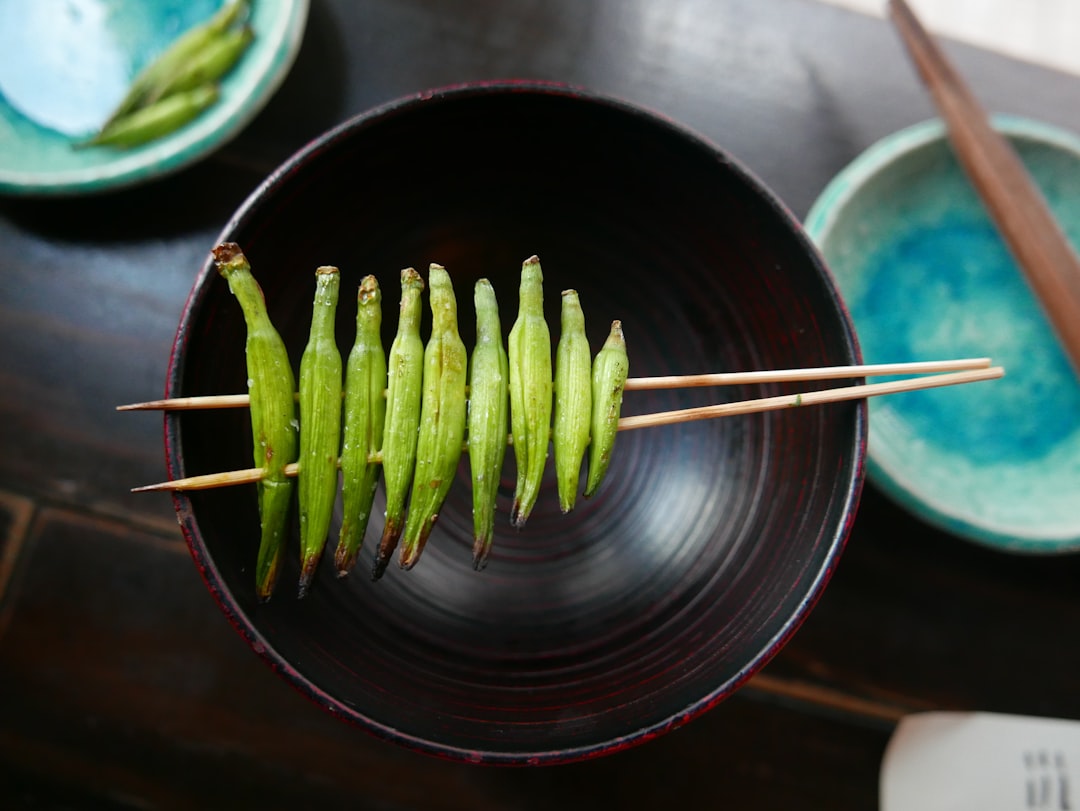
Discovering Vegetarian Delights in Tokyo’s Izakaya Culture
Izakayas, Japan’s beloved casual pubs, are the heart of Tokyo’s after-work social scene. Traditionally centered on grilled meats, fried chicken, and seafood, izakayas might seem like a challenging environment for vegetarians. However, with a little know-how, Tokyo’s izakaya culture actually offers a treasure trove of delicious plant-based options that are deeply rooted in Japanese culinary tradition. This guide will help you navigate menus, order confidently, and discover the best vegetarian izakaya dishes Tokyo has to offer.
What Exactly Is an Izakaya?
An izakaya is a type of informal Japanese drinking establishment that serves small, shareable dishes meant to accompany beer, sake, shochu, or highballs. Think of it as Japan’s answer to tapas bars or gastropubs. Groups of friends or coworkers gather to order multiple small plates, creating a communal dining experience filled with laughter, clinking glasses, and endless plates of food. Because dishes are typically small and varied, izakayas are actually ideal for vegetarians who want to sample many different flavors without committing to one large meat-centric entree.
The Vegetarian Challenge: Understanding Dashi
Before diving into specific dishes, it’s important to understand one key challenge: dashi. This foundational Japanese soup stock is used in countless dishes, sauces, and broths, and it is traditionally made from katsuobushi (dried bonito flakes) or niboshi (dried sardines). Even dishes that appear vegetarian, like miso soup, simmered vegetables, or vegetable tempura dipping sauce, may contain fish-based dashi. Strict vegetarians and vegans should always ask if a dish is prepared with kombu dashi (kelp-based, which is vegetarian) rather than fish-based stock. Learning a few key phrases, such as “katsuo dashi nuki de onegaishimasu” (please make it without bonito stock), can go a long way in ensuring your meal aligns with your dietary preferences.
Must-Try Vegetarian Izakaya Dishes
Despite the dashi caveat, there are numerous classic izakaya dishes that are either naturally vegetarian or easily adapted. Here are the top dishes to look for on any Tokyo izakaya menu:
Edamame
Boiled and salted young soybeans are the quintessential izakaya starter. Simple, protein-rich, and universally available, edamame is always a safe bet and pairs perfectly with a cold beer.
Agedashi Tofu
This popular dish features lightly fried tofu served in a savory broth, often garnished with grated daikon radish and scallions. Note that the broth may contain dashi, so ask for a vegetarian version if needed.
Hiyayakko
A refreshing cold tofu dish topped with grated ginger, bonito flakes (ask for them to be omitted), scallions, and soy sauce. It’s light, cooling, and perfect for warmer months.
Nasu Dengaku
Grilled eggplant glazed with sweet miso paste, this dish showcases umami-rich flavors without any animal products. It’s a favorite among vegetarians for its rich, satisfying taste.
Yasai Itame
Stir-fried seasonal vegetables, often including cabbage, carrots, bean sprouts, and bell peppers, seasoned simply with soy sauce, garlic, and sesame oil.
Kinpira Gobo
A traditional side dish made from braised burdock root and carrots, seasoned with soy sauce, sugar, and sesame oil. It offers an earthy, slightly sweet flavor profile unique to Japanese cuisine.
Vegetable Tempura
Lightly battered and fried seasonal vegetables like sweet potato, pumpkin, shiitake mushroom, and lotus root. Be sure to ask if the dipping sauce (tentsuyu) is vegetarian, as it often contains dashi.
Mushroom Dishes
Grilled or sautéed mushrooms, particularly shiitake, enoki, and maitake, are commonly featured and packed with umami flavor, making them a satisfying meat substitute.
Tsukemono (Japanese Pickles)
These fermented or pickled vegetables, ranging from cucumber to daikon to eggplant, offer a tangy, palate-cleansing contrast to richer dishes.
Goma-ae
Blanched spinach or green beans tossed in a sweet sesame sauce, this simple side dish is nutritious and full of nutty flavor.
Salads with Sesame or Miso Dressing
Many izakayas offer fresh vegetable salads dressed with sesame, miso, or yuzu-based dressings, providing a lighter option amid heavier fried and grilled dishes.
How to Order as a Vegetarian in Tokyo
Navigating a Japanese menu as a vegetarian requires a bit of preparation, especially since English menus aren’t always available. Here are some useful tips and phrases:
- “Watashi wa bejitarian desu” — I am a vegetarian.
- “Niku to sakana wa taberaremasen” — I cannot eat meat or fish.
- “Dashi nuki de onegaishimasu” — Please make it without dashi (fish stock).
- “Kore wa bejitarian ryouri desu ka?” — Is this a vegetarian dish?
Having these phrases saved on your phone or written on a card can be incredibly helpful when communicating with staff, especially at smaller, family-run establishments where English may be limited.
Best Areas and Restaurants for Vegetarian Izakaya Food in Tokyo
While nearly every neighborhood in Tokyo has izakayas, some areas are particularly known for accommodating vegetarian diners:
Shibuya and Harajuku
These trendy districts have a growing number of modern izakayas that cater to international tastes, often featuring English menus and vegetarian-friendly options clearly marked.
Koenji and Kichijoji
Known for their bohemian, laid-back vibe, these neighborhoods house several vegetarian and vegan-focused izakayas that reinterpret classic dishes without any animal products.
Asakusa
This historic district offers traditional izakayas where you can find classic vegetable-based small plates alongside a more old-school Tokyo atmosphere.
Additionally, many specialty vegetarian and vegan izakayas have emerged across the city, offering entirely plant-based versions of classic dishes like karaage (fried “chicken” made from soy or seitan), gyoza dumplings filled with vegetables, and even mock unagi (eel) made from eggplant or konjac.
Tips for Vegan Travelers
Vegans should be especially cautious, as many seemingly vegetarian dishes may contain honey, dashi, or butter. Always double-check with staff, and consider using translation apps with pre-written vegan explanations. Seeking out dedicated vegan izakayas, which have become increasingly available in Tokyo, can offer peace of mind and a stress-free dining experience where every dish on the menu is guaranteed to be plant-based.
Pairing Vegetarian Dishes with Drinks
No izakaya experience is complete without drinks. Sake, shochu, Japanese whisky highballs, and craft beer all pair wonderfully with vegetable-based dishes. Try a crisp, dry sake alongside hiyayakko, or a fruity shochu highball with nasu dengaku for a delightful flavor combination that enhances the umami and sweetness of the food.
Final Thoughts
Exploring Tokyo’s izakaya scene as a vegetarian doesn’t mean missing out on the authentic, communal dining experience Japan is famous for. With a bit of preparation, key phrases, and knowledge of classic dishes, you can enjoy a delicious, satisfying meal filled with flavorful tofu, seasonal vegetables, and umami-rich sides. Whether you’re visiting a traditional neighborhood izakaya or a modern vegan-focused establishment, Tokyo offers no shortage of ways to enjoy this beloved dining tradition, one delicious plant-based plate at a time.
Photo by Jodie Lightfoot on Unsplash