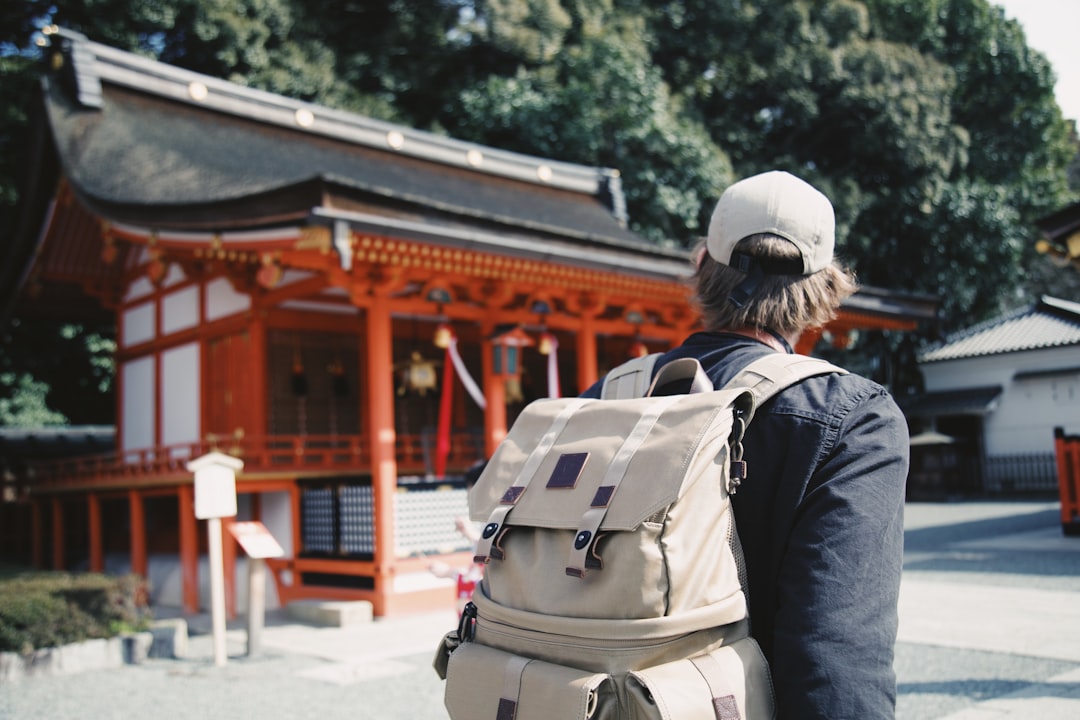

Photo by bobby hendry on Unsplash
Traveling to Japan in 2026 doesn’t have to drain your bank account. With smart planning and insider knowledge, you can experience the incredible culture, cuisine, and attractions of Japan while maintaining a reasonable budget. This comprehensive guide will show you exactly how to make your yen stretch further and enjoy Japan without the premium price tag.
Transportation: Your Biggest Potential Savings
JR Pass Considerations
The Japan Rail Pass saw significant price increases in October 2023, making it less universally attractive for budget travelers in 2026. A 7-day ordinary pass now costs ¥50,000 (approximately $330), so calculate carefully whether it’s worth it for your itinerary. The pass breaks even at about one Tokyo-Osaka round trip plus some local travel.
For shorter trips or regional travel, consider regional JR passes instead. The JR East Pass (5 days for ¥27,000) or JR West Kansai Pass (4 days for ¥11,000) often provide better value for focused itineraries.
IC Cards and Local Transportation
As of 2026, IC cards like Suica and Pasmo have improved foreign visitor compatibility with dedicated tourist versions available at major airports and stations. These cards offer small discounts on JR lines and are essential for seamless local travel. Load them with ¥2,000-3,000 initially and reload as needed.
For budget-conscious travelers, consider these alternatives:
- Highway buses for long-distance travel (Tokyo to Osaka from ¥3,000)
- Local train day passes in specific cities
- Walking and cycling for short distances
- Overnight buses to save on accommodation
Domestic Flights
Budget airlines like Peach, Jetstar Japan, and Vanilla Air offer competitive prices for longer distances. Book early for flights under ¥10,000 between major cities, often cheaper than the shinkansen for routes like Tokyo to Sapporo or Okinawa.
Accommodation: Sleep Smart, Spend Less
Hostels and Guesthouses
Japan’s hostel scene has expanded significantly, with dorm beds in major cities ranging from ¥2,500-4,500 per night as of 2026. Look for hostels with kitchens to save on meal costs. Popular chains include:
- K’s House (multiple locations)
- Grids Hostel & Lounge
- Book and Bed Tokyo
- Local guesthouses in residential areas
Capsule Hotels
Modern capsule hotels offer a uniquely Japanese experience for ¥3,000-6,000 per night. Many include amenities like saunas, lounges, and breakfast. First Cabin and Nine Hours are reliable chains with locations nationwide.
Alternative Options
Consider these budget-friendly accommodation alternatives:
- Manga cafes for emergency overnight stays (¥1,500-2,500)
- Temple stays (shukubo) for cultural immersion (¥5,000-8,000 including meals)
- Business hotels during weekdays for better rates
- Airbnb in residential areas (check local regulations)
- Love hotels for short stays (despite the name, they’re legitimate accommodation)
Food: Eating Well Without Breaking the Bank
Convenience Store Meals
Japanese convenience stores (konbini) are a budget traveler’s best friend. Lawson, 7-Eleven, and FamilyMart offer high-quality meals for ¥200-600. Stock up on:
- Onigiri (rice balls) for ¥100-200
- Bento boxes for ¥400-600
- Hot foods like karaage and yakitori
- Seasonal items and limited editions
Budget Restaurant Strategies
Eat like a local to save money:
- Lunch sets (teishoku) at restaurants cost ¥500-1,000 vs ¥1,500-3,000 for dinner
- Chain restaurants like Yoshinoya, Matsuya, and Sukiya serve filling meals for under ¥500
- Standing bars (tachinomi) offer cheap drinks and snacks
- Department store basement food courts (depachika) for quality at reasonable prices
- University cafeterias open to the public
Supermarket Shopping
If your accommodation has kitchen facilities, shop at supermarkets like Seiyu, Ito-Yokado, or discount chains like Gyomu Super. Look for discounted items after 7 PM when fresh foods are marked down 20-50%.
Attractions and Entertainment on a Budget
Free Attractions
Many of Japan’s best experiences cost nothing:
- Shrine and temple visits (most are free)
- Public gardens and parks
- Hiking trails and nature walks
- Free observation decks (Tokyo Metropolitan Building, Caretta Shiodome)
- Traditional neighborhoods like Asakusa, Gion, and Takayama old town
- Beaches and coastal areas
- Festival attendance (matsuri throughout the year)
Discount Passes and Timing
Research city-specific tourist passes that bundle transportation and attraction entries. Many museums offer discounts for students, seniors, or group bookings. Visit attractions on designated free days or during off-peak hours for reduced rates.
Cultural Experiences
Seek out free cultural activities:
- Traditional craft workshops at community centers
- University cultural club performances
- Public bath houses (sento) for ¥450-500
- Local festivals and seasonal celebrations
Shopping Smart: Tax-Free and Bargains
Tax-Free Shopping
As of 2026, Japan’s consumption tax remains at 10%, and tax-free shopping is available for tourists on purchases over ¥5,000 at participating stores. Always carry your passport and keep receipts together. Popular tax-free destinations include:
- Major department stores
- Electronics retailers like Yodobashi and Bic Camera
- Don Quijote discount stores
- Traditional craft shops in tourist areas
Budget Shopping Destinations
Find great deals at:
- 100-yen shops (Daiso, Seria, Can Do) for souvenirs and daily necessities
- Recycle shops and second-hand stores
- Outlet malls like Gotemba Premium Outlets
- End-of-season sales at major retailers
- Local markets and flea markets on weekends
Money-Saving Tips by Region
Tokyo Budget Strategies
- Stay in neighborhoods like Asakusa, Ueno, or Nippori for cheaper accommodation
- Use the ¥800 Tokyo Metro 24-hour pass for extensive subway travel
- Visit free observation decks instead of Tokyo Skytree or Tower
- Explore free areas of Tsukiji Outer Market
Osaka and Kansai Savings
- The Osaka Amazing Pass includes transportation and attraction entries
- Stay in Namba or Tennoji areas for budget accommodation
- Eat at local kushikatsu and okonomiyaki stands
- Day trip to Nara using regular trains instead of limited express
Rural Japan Value
Smaller cities and rural areas offer excellent value:
- Local minshuku (family-run inns) for authentic experiences
- Regional train day passes
- Local markets and direct-from-farm purchases
- Free hot springs (onsen) in some areas
Technology and Communication Savings
Internet and Phone
Stay connected affordably:
- Rent pocket WiFi for ¥500-800 per day
- Use free WiFi at stations, convenience stores, and cafes
- Consider SIM cards for longer stays
- Download offline maps and translation apps before arrival
Useful Budget Apps
Download these money-saving apps:
- Hyperdia for train route planning and cost comparison
- Tabelog for restaurant reviews and budget finds
- Google Translate with camera function
- Currency conversion apps
Seasonal Budget Considerations
Timing Your Visit
Travel during shoulder seasons (late autumn, winter except holidays, early spring before cherry blossoms) for significant savings on accommodation and attractions. Golden Week (late April/early May), summer vacation, and New Year periods see dramatic price increases.
Weather-Related Savings
Pack appropriately to avoid buying expensive items in Japan. Bring layers for changing weather and comfortable walking shoes to save on transportation costs.
Final Budget Travel Tips
Set a daily budget and track expenses using apps or notebooks. Withdraw cash from 7-Eleven ATMs to avoid high fees, and always carry cash as many places don’t accept cards. Join free walking tours in major cities for orientation and insider tips.
Consider working holiday visas if you’re eligible, allowing you to work and offset travel costs. House-sitting and volunteer opportunities through organizations like Workaway can also reduce accommodation expenses.
Remember that budget travel in Japan doesn’t mean compromising on experience. With careful planning and local knowledge, you can enjoy world-class food, rich cultural experiences, and unforgettable memories while maintaining financial responsibility. The key is embracing local customs, eating where locals eat, and finding the perfect balance between must-see attractions and hidden gems that won’t cost a fortune.