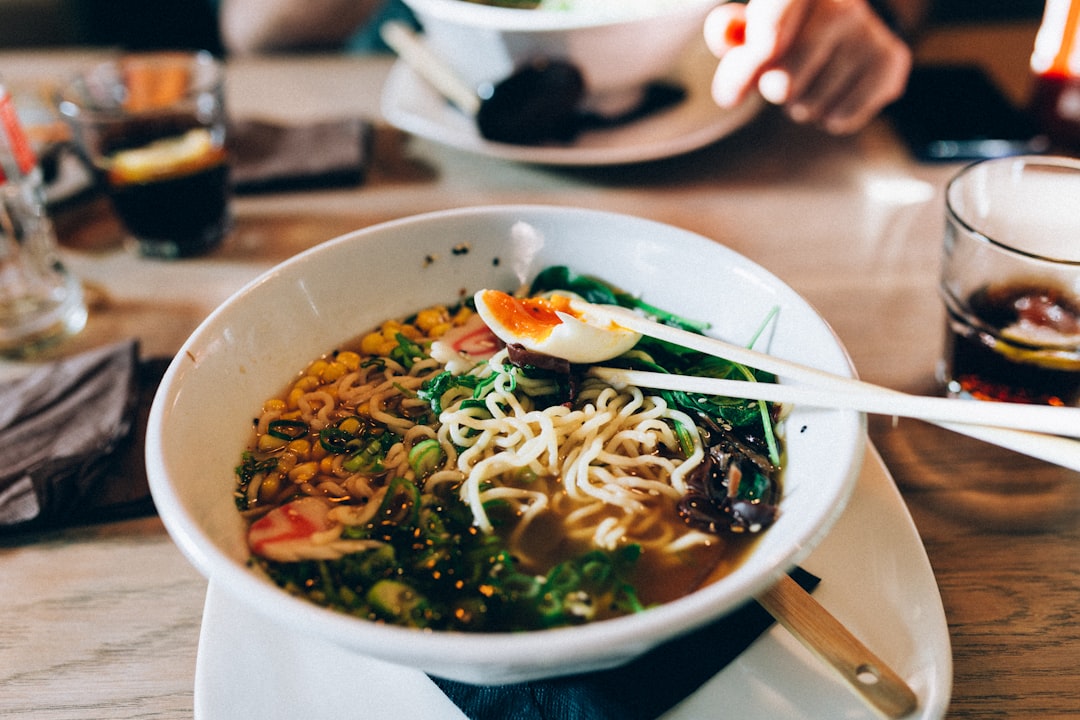

Photo by Volkan Kaçmaz on Unsplash
Tokyo stands as the undisputed ramen capital of the world, home to thousands of ramen shops ranging from humble street-side stalls to Michelin-starred establishments. Whether you’re craving rich tonkotsu, delicate shio, or innovative fusion bowls, the Japanese capital offers an unparalleled ramen experience that attracts food enthusiasts from around the globe.
Understanding Tokyo’s Ramen Culture
Before diving into specific recommendations, it’s essential to understand Tokyo’s unique ramen landscape. The city’s ramen culture is built on tradition, innovation, and an unwavering commitment to perfection. Each shop typically specializes in one or two styles, with recipes often passed down through generations or developed through years of meticulous experimentation.
Tokyo ramen shops operate on a system of efficiency and respect. Most establishments use vending machines for ordering, which helps overcome language barriers while ensuring quick service. The typical ramen experience involves standing in line, purchasing a ticket, sitting at the counter, and enjoying your bowl in relative silence – a practice that shows respect for both the chef and fellow diners.
Top Ramen Shops by District
Shibuya and Harajuku
Ippudo Shibuya remains one of Tokyo’s most accessible yet authentic ramen experiences. This renowned chain originated in Fukuoka but has perfected their tonkotsu ramen for Tokyo palates. Their signature Shiromaru Motoaji features a rich, creamy pork bone broth that’s been simmered for over 20 hours, paired with thin, straight noodles that perfectly absorb the flavorful soup.
Menya Saimi in Harajuku offers a more intimate experience, known for their exceptional shio (salt-based) ramen. The clear, golden broth showcases the chef’s skill in balancing delicate flavors, while the handmade noodles provide the perfect texture contrast.
Shinjuku
Fuunji has earned legendary status among ramen enthusiasts for their tsukemen – thick noodles served separately from an intensely concentrated broth for dipping. Located in a basement near Shinjuku Station, this small shop consistently draws long lines of devoted customers willing to wait for their exceptional pork and fish-based broth.
Ramen Nagi offers a unique experience with their customizable ramen system. Diners can adjust everything from noodle firmness to garlic intensity, making it perfect for those who want to tailor their bowl to personal preferences. Their niboshi (dried sardine) ramen provides a distinctly oceanic flavor profile that sets them apart from typical pork-based shops.
Ginza and Tsukiji
Kyoboshi near the former Tsukiji fish market serves outstanding seafood-based ramen that reflects the area’s maritime heritage. Their signature bowl combines multiple types of dried fish and seafood to create a complex, umami-rich broth that pairs beautifully with their house-made noodles.
Ginza Kagari achieved the rare distinction of earning a Michelin Bib Gourmand recommendation for their exceptional chicken-based ramen. The tori paitan (chicken white soup) offers a lighter yet deeply satisfying alternative to pork-based broths, with a silky texture and refined flavor that justifies the inevitable wait.
Ikebukuro
Mutekiya stands as an institution in Tokyo’s ramen scene, serving robust tonkotsu ramen with generous portions of chashu pork. Their no-frills approach focuses entirely on flavor, delivering consistently excellent bowls that have satisfied customers for decades.
Ichiran Ikebukuro provides a unique solo dining experience with individual booth seating and customizable ramen options. While some purists debate its authenticity, the system allows diners to focus entirely on their meal while enjoying well-executed tonkotsu ramen.
Asakusa and Ueno
Ramen Yashichi in Asakusa offers traditional Tokyo-style shoyu (soy sauce) ramen that represents the city’s original ramen heritage. The clear, amber broth provides clean, straightforward flavors that highlight the quality of each ingredient without overwhelming the palate.
Menya 7.5Hz near Ueno Station pushes creative boundaries with their innovative approach to ramen construction. Their signature bowls incorporate unexpected ingredients and techniques while maintaining respect for traditional foundations.
Ramen Styles You Must Try
Tonkotsu Ramen
Tonkotsu ramen features a rich, milky broth created by boiling pork bones at high temperatures for extended periods. Tokyo’s tonkotsu shops often add their own regional touches, such as incorporating local miso varieties or adjusting richness levels to suit local preferences. The result is a deeply satisfying bowl that provides comfort and indulgence in equal measure.
Shoyu Ramen
Shoyu ramen represents Tokyo’s original ramen style, featuring a clear, soy sauce-based broth that’s typically lighter than other varieties. The best shoyu ramen achieves perfect balance between the soy sauce’s salinity and underlying chicken or vegetable stock, creating a clean yet complex flavor profile that never feels heavy.
Shio Ramen
Shio ramen uses salt as its primary seasoning, resulting in the lightest and most delicate of the major ramen styles. Tokyo’s shio specialists often incorporate seafood elements, creating broths with subtle complexity that rewards careful attention and appreciation.
Miso Ramen
While miso ramen originated in Sapporo, Tokyo shops have embraced and adapted this style with characteristic innovation. Local interpretations often feature premium miso varieties and creative toppings that complement the fermented soybean paste’s rich, earthy flavors.
Tsukemen
Tsukemen, or dipping ramen, separates the noodles from the broth, allowing diners to control each bite’s intensity. Tokyo pioneered this style, and the city’s tsukemen shops continue to lead in innovation and execution, offering intensely concentrated broths designed specifically for dipping thick, chewy noodles.
Insider Tips for Ramen Shop Visits
Ordering Process
Most Tokyo ramen shops use ticket vending machines located near the entrance. These machines typically display pictures alongside Japanese text, making ordering manageable even without language skills. Purchase your ticket before sitting down, and hand it to the staff when you’re seated.
Peak Hours and Timing
Popular ramen shops often have long lines during lunch (12:00-14:00) and dinner (19:00-21:00) hours. Visiting during off-peak times, such as mid-afternoon or late evening, can significantly reduce wait times while still ensuring fresh, high-quality bowls.
Etiquette and Customs
Slurping noodles is not only acceptable but encouraged, as it helps cool the noodles and enhances flavor perception. Eating quickly shows appreciation for the chef’s work and consideration for waiting customers. Most shops expect diners to finish their entire bowl, so order accordingly.
Customization Options
Many shops offer customization options such as noodle firmness (katame for firm, futsu for normal, yawarakame for soft), richness level, and additional toppings. Don’t hesitate to ask staff for recommendations or explanations of available options.
Seasonal Specialties and Limited Offerings
Tokyo’s top ramen shops frequently offer seasonal specialties that incorporate fresh, local ingredients. Summer might bring cold ramen varieties or lighter broths, while winter often features richer, more warming bowls. Limited-time offerings allow chefs to experiment with new ingredients and techniques, providing regular customers with fresh experiences.
Many established shops also offer special anniversary bowls or collaborate with other renowned establishments, creating unique fusion experiences that combine different regional styles or innovative ingredients.
Planning Your Tokyo Ramen Adventure
To maximize your Tokyo ramen experience, consider planning visits to shops in different districts as part of your broader sightseeing itinerary. Many of the best ramen shops are located near major tourist attractions, making it easy to combine cultural exploration with culinary discovery.
Keep cash on hand, as many traditional ramen shops don’t accept credit cards. Most bowls range from 800 to 1,500 yen, making ramen an affordable way to experience world-class cuisine. Consider keeping a ramen journal to track your favorites and note specific customizations that work best for your palate.
Tokyo’s ramen scene continues evolving, with new shops opening regularly and established masters refining their craft. This dynamic environment ensures that even repeat visitors will discover new flavors and experiences, making every ramen adventure in Tokyo a unique and memorable journey through Japan’s most beloved comfort food.