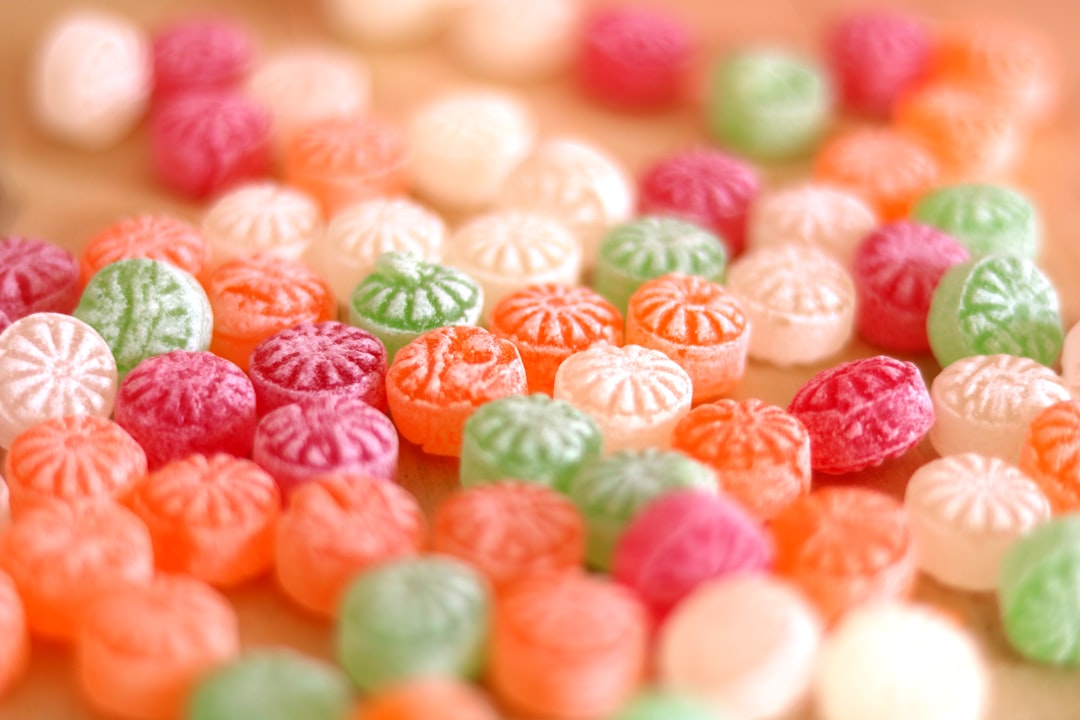
Discovering the Charm of Dagashi in Asakusa
Tucked away in the historic streets of Asakusa, Tokyo’s beloved traditional district, lies a world of nostalgic delight that many visitors overlook: dagashi candy shops. These humble stores, packed floor to ceiling with colorful, affordable sweets and snacks, offer a genuine glimpse into Japanese childhood culture that has remained largely unchanged for decades. Unlike the polished convenience stores and modern confectioneries that dominate much of Tokyo, dagashi shops preserve an old-fashioned atmosphere that feels like stepping into a time capsule.
Dagashi, which translates roughly to ‘cheap sweets’ or ‘penny candy,’ refers to a category of inexpensive snacks and confections that have been sold in Japan since the Edo period. These treats were traditionally marketed to children with small allowances, meaning most items cost just a few yen. Today, they remain a beloved part of Japanese food culture, cherished by adults seeking nostalgia as much as by children discovering them for the first time.
Why Asakusa Is the Perfect Place for Dagashi Hunting
Asakusa’s deep connection to traditional Japanese culture makes it an ideal setting for dagashi shopping. The neighborhood surrounding the famous Senso-ji Temple has long been a hub for traditional crafts, street food, and old-school retail. Walking through the narrow lanes near Nakamise Shopping Street or venturing into the quieter backstreets, visitors can stumble upon small shops that have been run by the same families for generations.
These shops often lack flashy signage or English menus, adding to their authentic charm. The shopkeepers, frequently elderly and warmly welcoming, embody the spirit of old Tokyo that many travelers hope to experience. Shopping here isn’t just about buying candy; it’s about connecting with a slower, more personal way of commerce that has largely disappeared from mainstream Japanese retail.
What to Expect Inside a Dagashi Shop
Stepping into a traditional dagashi shop is a sensory experience. Shelves and baskets overflow with an eclectic mix of products: chewy fruit candies, savory rice crackers, gummy snacks shaped like sushi or animals, chocolate-covered biscuits, and mysterious powdered drink mixes that fizz when combined with water. Packaging tends to be simple, often featuring retro illustrations that haven’t changed in decades.
Many shops also carry small toys, trading cards, and novelty items alongside the candy, harkening back to an era when dagashi stores served as informal community gathering spots for neighborhood children after school. Prices remain refreshingly low, with most items costing between 10 and 100 yen, making it easy to fill a small bag with treats without spending much money at all.
Popular Dagashi Treats to Look For
- Umaibo - Perhaps the most iconic dagashi snack, these puffed corn sticks come in numerous flavors like cheese, corn potage, and takoyaki, and are famous for costing just a few yen each.
- Fusen Gum - Bubble gum often packaged with small stickers or tiny prizes inside, appealing to collectors and casual snackers alike.
- Ramune Candy - Tablet candies that mimic the flavor of Japan’s famous ramune soda, offering a fizzy sensation without the bottle.
- Konpeito - Small, colorful sugar candies with a distinctive bumpy texture, historically influenced by Portuguese confectionery introduced centuries ago.
- Menko and Card Games - Though not edible, these traditional paper card games are often sold alongside sweets, reflecting the playful spirit of dagashi culture.
Best Spots to Explore in Asakusa
While specific shop names and locations can change over time, dagashi shops tend to cluster in the quieter side streets away from the main tourist thoroughfares. Exploring areas just beyond Nakamise-dori, particularly toward the residential neighborhoods surrounding Senso-ji, often yields delightful discoveries. Local shopping arcades, or shotengai, are also excellent places to search, as these covered streets have historically housed small family-run businesses including dagashi vendors.
Visitors are encouraged to wander with curiosity rather than relying solely on maps, since part of the joy of finding these shops lies in the serendipity of exploration. Asking locals or checking with nearby shopkeepers can also lead to hidden gems that aren’t widely advertised online.
Tips for Visiting Dagashi Shops
- Bring small denominations of yen, as most items are priced very low and shopkeepers may not always have change for larger bills.
- Be respectful of the shop’s pace; many are run by elderly proprietors who appreciate polite, unhurried customers.
- Don’t be afraid to point and gesture if language is a barrier - most dagashi shop owners are accustomed to curious tourists and are happy to help.
- Take photos respectfully, and always ask before photographing the shopkeeper directly.
- Consider purchasing a variety of items to sample, since individual pieces are inexpensive and perfect for sharing with travel companions.
The Cultural Significance of Dagashi
Beyond their sweet taste, dagashi shops represent an important piece of Japan’s social history. In the post-war decades, these shops served as informal community centers where children gathered daily, fostering friendships and local bonds. Many Japanese adults today feel a strong sense of nostalgia when they encounter dagashi, associating them with carefree childhood afternoons and simple pleasures.
As convenience stores and supermarkets have become the dominant retail model throughout Japan, the number of traditional dagashi shops has steadily declined. This makes visiting one of the surviving shops in Asakusa all the more special, offering travelers a chance to experience a fading but cherished aspect of Japanese culture before it disappears entirely.
Combining Dagashi Shopping with Other Asakusa Attractions
A visit to a dagashi shop pairs wonderfully with other classic Asakusa experiences. After exploring Senso-ji Temple and its iconic Kaminarimon Gate, visitors can wander the side streets to find these hidden candy shops, then continue their day with a stroll along the Sumida River or a visit to the nearby Tokyo Skytree. Dagashi shopping also complements Asakusa’s famous street food scene, allowing visitors to sample everything from savory ningyo-yaki cakes to sweet, old-fashioned candies within a single afternoon.
For families traveling with children, dagashi shops offer a wonderful opportunity to introduce young travelers to Japanese culture in a fun, approachable way. Kids often delight in choosing their own treats, and the affordability of items means parents can indulge their children’s curiosity without worrying about cost.
Final Thoughts
Traditional dagashi candy shops in Asakusa offer far more than just sweets, they provide a window into a simpler, more personal era of Japanese retail and community life. For travelers seeking authentic, off-the-beaten-path experiences in Tokyo, spending an afternoon exploring these charming shops is a rewarding way to connect with local culture. Whether you’re a nostalgic adult or a curious first-time visitor, the colorful world of dagashi awaits just beyond the crowds of Asakusa’s main streets, ready to delight anyone willing to seek it out.
Photo by Customerbox on Unsplash