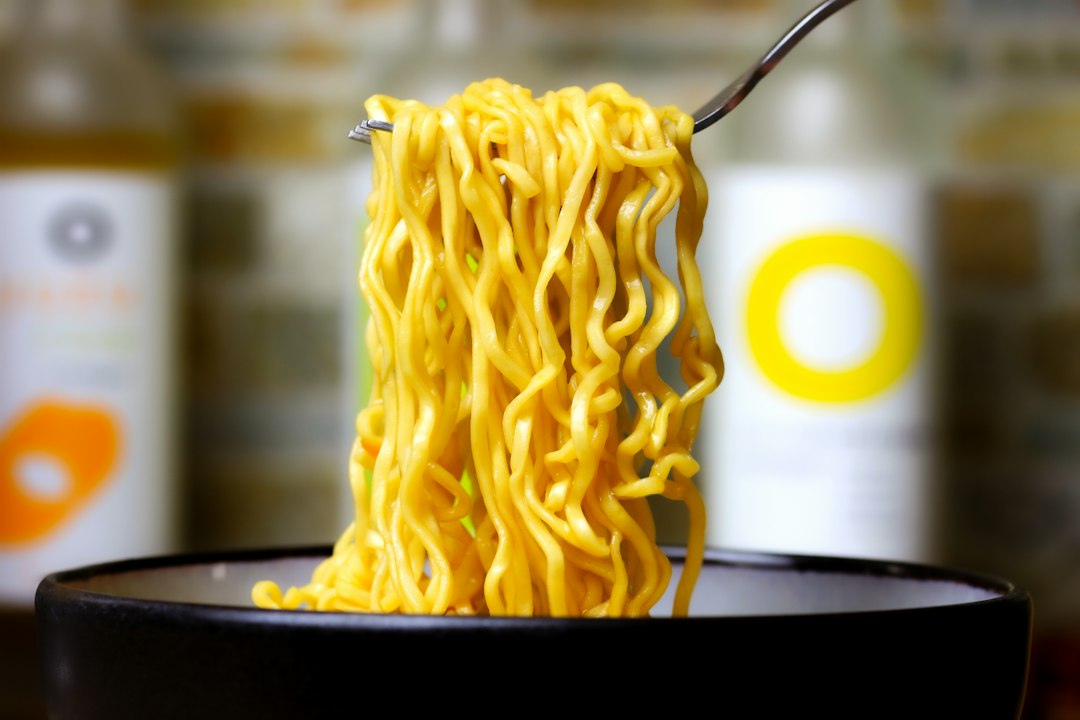
If you’re planning to eat toshikoshi soba on December 31st and then head out for hatsumode, the timing matters more than most guides let on. Eat too early and you’ll be standing in a shrine queue for two hours with an empty stomach in sub-5°C weather. Eat too late and you risk missing the last comfortable train before the Tokyo Metro switches to its all-night New Year’s Eve schedule, when platforms get packed with people holding the same idea as you. Here’s how the sequence actually works, based on doing this walk from noodle shop to shrine gate more than a few times in Tokyo.
Why Soba Specifically, and Why Before Midnight
Toshikoshi soba (年越し蕎麦, literally “year-crossing soba”) is eaten on the last night of the year because the noodle’s long shape represents a long life, and because soba strands snap easily compared to udon — symbolically cutting away the year’s hardships and debts before the clock resets. The custom dates back to Edo-period merchants who ate soba on the last business day of the month (misoka soba), and it eventually attached itself specifically to December 31st. The one rule that actually gets enforced in most households: finish the bowl before midnight. Carrying uneaten soba into the new year is considered to drag the old year’s misfortune with it, so nobody lingers over a half-finished bowl after the countdown.
The Realistic Timeline for December 31st
Most Tokyo families eat toshikoshi soba somewhere between 9pm and 11pm, not right at midnight. That leaves a buffer to watch the Kohaku Uta Gassen singing contest on NHK, listen for the joya no kane — the 108 slow bell tolls temples ring to purge the 108 worldly desires in Buddhist belief — and still make it to a shrine gate by 12:15am or so without sprinting. If your plan is Meiji Jingu or another major shrine, build in at least 45 minutes of walking and queuing time before you even reach the torii, because crowd control staff funnel everyone into a single-file line well before the shrine grounds.
Where to Eat It: Restaurant Options With Actual Hours
Plenty of soba shops stay open late specifically for this night, though hours shift year to year so it’s worth calling ahead. Sarashina Horii Honten in Azabu-juban (a 3-minute walk from Azabu-juban Station on the Toei Oedo and Namboku lines) typically serves until around 8pm on Dec 31 rather than midnight, so it’s better suited to an early dinner before you head toward Zojoji Temple nearby. Kosendo-soba, a small counter-style chain with a branch near Shibuya Station’s Hachiko exit, often runs later service for walk-ins and charges roughly ¥800–¥1,200 for a hot tsukimi or kake soba — reasonable for a solo diner trying to beat the clock. If you’re near Kanda Myojin, the historic Kanda district has several old-school soba houses within a 10-minute walk of Ochanomizu Station (JR Chuo-Sobu Line), though check posted hours since many close by early evening on the 31st rather than staying open to midnight.
The Convenience Store Route (and Why It’s Not a Downgrade)
A huge number of people in Japan eat toshikoshi soba from a convenience store kit, not a restaurant, and nobody considers this cheating. Lawson, 7-Eleven, and FamilyMart all stock toshikoshi soba sets from around mid-December, usually priced ¥580–¥780 for a cold tray with soba, tsuyu dipping sauce, and tempura flakes, or ¥680–¥980 for a hot instant bowl version you prepare with the in-store hot water dispenser. This is genuinely the fastest option if you’re eating at home before heading out, since it takes under five minutes and the shops are open straight through midnight anyway — useful if you realize at 10:30pm that you forgot to buy noodles.
Making It at Home in Under 15 Minutes
If you’re cooking, dried soba noodles (most supermarket packs run ¥150–¥300 for enough for two people) boil in about 4–5 minutes. Don’t rinse them in cold water if you want it hot and ready fast — just drain and drop straight into a pre-warmed mentsuyu broth diluted with hot water per the bottle’s ratio (usually 1 part sauce to 3 parts water for a hot bowl). Top with a few slices of kamaboko fish cake, chopped scallion, and tempura flakes (tenkasu) if you have them — all cheap items sold year-round at any supermarket, not special New Year’s stock.
Getting to the Shrine: Transport Details That Actually Matter
Tokyo Metro, Toei Subway, and JR East run special all-night service on the night of December 31st into the morning of January 1st — trains that normally stop around midnight keep running at reduced frequency (roughly every 15–20 minutes instead of the usual 3–5) until first trains resume their regular schedule. This matters because taxis in central Tokyo on New Year’s Eve surge in price and can be nearly impossible to flag down near major shrines after 11:30pm. If you’re heading to Meiji Jingu, get off at Harajuku Station (JR Yamanote Line) or Meijijingumae Station (Tokyo Metro Chiyoda/Fukutoshin Lines) — both are under 2 minutes from an entrance, but expect the walk from the station exit to the actual shrine building to take 20–40 minutes once you’re inside the crowd flow, since over 3 million people visit Meiji Jingu across the first three days of January and the paths get one-directional for safety.
Crowd Avoidance: The Part Most Guides Skip
The absolute peak crush at any major shrine is the 30 minutes surrounding midnight. If you genuinely want the experience of being there at the stroke of twelve, accept the crowd. If you’d rather actually see the shrine buildings without being pressed shoulder to shoulder, two windows work better: arrive after 2am when the initial wave has thinned, or skip the night entirely and go midmorning on January 2nd or 3rd, when visitor numbers drop noticeably compared to January 1st itself. Smaller neighborhood shrines — Kanda Myojin’s satellite shrines, or local ujigami shrines in residential wards like Setagaya or Nakano — rarely see lines longer than 10–15 minutes even at midnight, and still count as a legitimate hatsumode.
Staying Warm While You Wait
Standing in an outdoor queue for an hour-plus in late December Tokyo (average overnight lows around 2–5°C, colder if there’s wind off the Kanto plain) is the part people underestimate. Stock up on kairo disposable hand warmers beforehand — any convenience store or 100-yen shop (Daiso, Seria) sells packs of 10 for around ¥300–¥500, and they last 8-10 hours once activated. Shrine precinct stalls typically sell hot amazake (sweet fermented rice drink, roughly ¥300–�few hundred yen a cup) and amazake is also sometimes handed out free by shrine staff as part of the New Year welcome — Kanda Myojin has done this in past years at its main approach. A thermos of hot tea from home costs nothing and beats waiting in a stall line after you’ve already been standing for an hour.
One Timing Mistake to Avoid
The mistake people repeat every year: eating toshikoshi soba at a sit-down restaurant near the shrine itself, assuming they can grab a quick bowl right before heading in. On December 31st, every soba shop within walking distance of a major shrine like Meiji Jingu or Sensoji fills up by 8pm and starts turning people away well before 10pm, precisely because everyone has the same plan. Eat earlier, eat somewhere a train ride away from your shrine destination, or eat at home — but don’t bank on finding an open table near the torii gate at 11pm.
Photo by Mario Verduzco on Unsplash