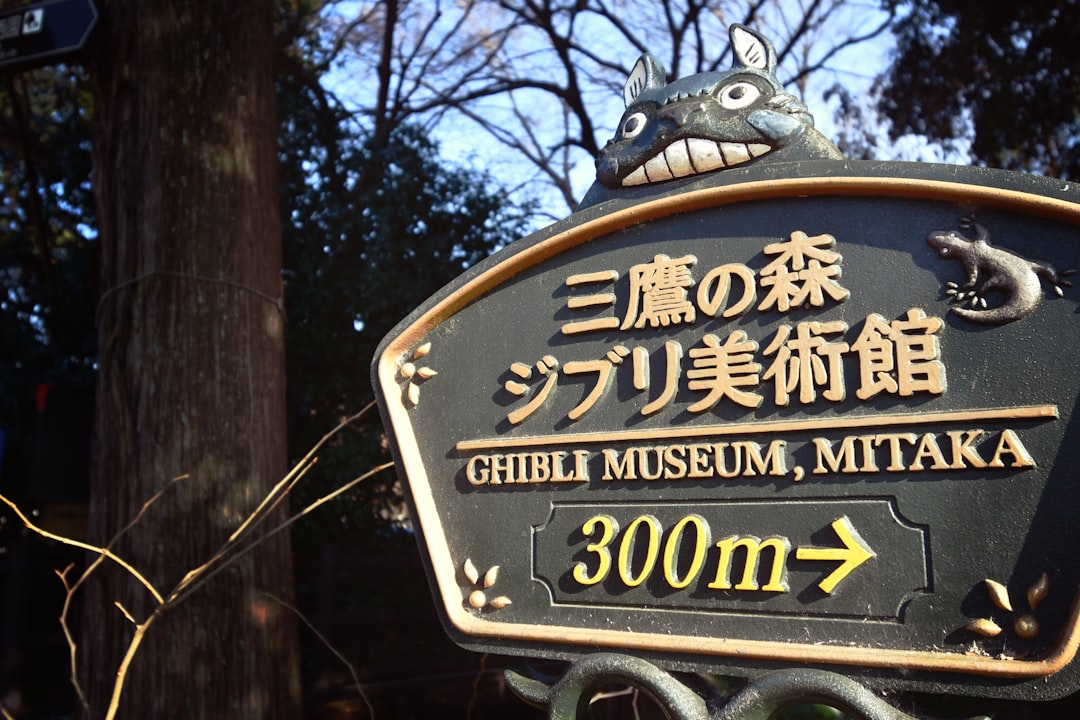

Photo by Max Harlynking on Unsplash
The Studio Ghibli Museum in Tokyo stands as one of Japan’s most enchanting destinations, offering visitors an immersive journey into the whimsical world of Hayao Miyazaki and Studio Ghibli’s beloved animated films. Located in the charming Mitaka area of Tokyo, this extraordinary museum brings to life the magic behind masterpieces like “My Neighbor Totoro,” “Spirited Away,” and “Princess Mononoke.”
What Makes the Studio Ghibli Museum Special
The Studio Ghibli Museum, officially known as the Ghibli Museum Mitaka, is far more than a traditional museum. Designed by Hayao Miyazaki himself, every corner of this three-story building reflects the director’s attention to detail and artistic vision. The museum’s philosophy centers on encouraging visitors to use their imagination and experience wonder, much like the characters in Ghibli films.
Unlike conventional museums with linear paths, the Ghibli Museum encourages exploration and discovery. Miyazaki wanted visitors to feel like they were wandering through one of his animated worlds, stumbling upon surprises and magical moments around every corner. This unique approach makes each visit a personal adventure.
Location and Getting to the Museum
The Studio Ghibli Museum is situated in Inokashira Park in Mitaka, a western suburb of Tokyo. The museum’s location within this beautiful park adds to its charm, as visitors can enjoy the natural surroundings that often inspire Ghibli films.
Transportation Options
The most convenient way to reach the museum is by taking the JR Chuo Line to Mitaka Station. From there, you have several options:
- Take the special yellow Ghibli Museum bus (Community Bus) from the South Exit of Mitaka Station
- Enjoy a pleasant 15-minute walk through Inokashira Park
- Take a taxi for a quick 5-minute ride
Many visitors prefer the walk through Inokashira Park, as it builds anticipation and provides a beautiful introduction to the area. The park itself is worth exploring, especially during cherry blossom season or autumn when the leaves change color.
Museum Highlights and Exhibitions
The Studio Ghibli Museum offers numerous attractions spread across its three floors and outdoor areas. Each space is carefully designed to capture the essence of Ghibli’s storytelling and artistry.
Permanent Exhibitions
The museum features several permanent exhibitions that showcase the creative process behind Studio Ghibli’s films. The “Where a Film is Born” exhibition displays original sketches, storyboards, and concept art, providing insight into how Miyazaki and his team develop their stories and characters.
The “Animation Studio” recreation shows visitors how traditional animation is created, complete with animators’ desks covered in drawings and reference materials. This exhibit helps visitors understand the painstaking work that goes into creating each frame of a Ghibli film.
The Cat Bus
One of the museum’s most popular attractions is the giant Cat Bus from “My Neighbor Totoro.” This soft, plush recreation allows children (and adults) to climb inside and experience what it might feel like to ride with Totoro. The attention to detail is remarkable, from the glowing eyes to the comfortable seating inside.
The Saturn Theater
The museum’s small theater, called the Saturn Theater, screens exclusive short films created specifically for the museum. These films, which typically run for about 20 minutes, are not available anywhere else in the world. The theater shows different films throughout the year, giving repeat visitors new content to enjoy.
Rooftop Garden and Robot Soldier
The museum’s rooftop garden features the iconic Robot Soldier from “Castle in the Sky.” This five-meter-tall bronze statue has become one of the museum’s most photographed attractions. The garden provides a peaceful space to relax while enjoying views of the surrounding area.
Ticket Information and Reservation System
One of the most important aspects of planning your visit to the Studio Ghibli Museum is understanding the ticket system. The museum operates on a reservation-only basis, and tickets often sell out quickly, especially during peak tourist seasons.
How to Purchase Tickets
For international visitors, tickets can typically be purchased through:
- JTB travel agencies outside Japan
- Lawson convenience stores in Japan (Loppi machines)
- Official travel partners in various countries
- Some hotels and travel agencies in Tokyo
Tickets are released on the 10th of each month for the following month, and they often sell out within hours. It’s crucial to plan ahead and purchase tickets as early as possible.
Ticket Types and Pricing
The museum offers different ticket types based on age groups, with specific entry times to manage crowd flow. Each ticket specifies a particular entry time (10 AM, 12 PM, 2 PM, or 4 PM), and visitors must arrive during their designated time slot.
What to Expect During Your Visit
A typical visit to the Studio Ghibli Museum lasts between two to three hours, though many visitors find themselves wanting to stay longer to absorb all the details. The museum encourages a leisurely pace, allowing visitors to fully appreciate the artistic elements throughout the building.
Photography Policy
The museum maintains a strict no-photography policy inside the building to preserve the magical atmosphere and encourage visitors to be present in the moment. However, photography is allowed in the rooftop garden and some outdoor areas. This policy helps maintain the wonder and surprise for future visitors while encouraging people to truly experience rather than just document their visit.
Gift Shop Treasures
The museum’s gift shop, called “Mamma Aiuto,” offers exclusive merchandise unavailable anywhere else. From beautifully crafted figurines to unique stationery and books, the shop provides the perfect opportunity to take home a piece of the Ghibli magic. Many items are limited editions or museum exclusives, making them particularly special for collectors.
Planning Your Visit: Tips and Recommendations
To make the most of your Studio Ghibli Museum experience, consider these helpful tips and recommendations.
Best Times to Visit
While the museum is magical year-round, different seasons offer unique advantages. Spring brings cherry blossoms to Inokashira Park, creating a fairy-tale setting. Autumn offers beautiful foliage, while winter provides a cozy atmosphere perfect for the museum’s warm, inviting interior.
Weekday visits tend to be less crowded than weekends, allowing for a more peaceful experience. The earlier time slots (10 AM and 12 PM) are often less busy than afternoon entries.
What to Bring
Since photography isn’t allowed inside, consider bringing a small notebook to jot down memories or sketch favorite details. Comfortable walking shoes are recommended, as you’ll be exploring multiple floors and potentially walking through Inokashira Park.
Combining Your Visit
Many visitors combine their museum trip with exploring Inokashira Park, which offers boat rentals, walking paths, and seasonal beauty. The nearby Kichijoji neighborhood is also worth exploring, with its trendy shops, cafes, and restaurants providing a perfect complement to your Ghibli adventure.
The Deeper Meaning Behind the Museum
The Studio Ghibli Museum represents more than just a showcase of animation; it embodies Miyazaki’s philosophy about creativity, imagination, and the importance of preserving wonder in our increasingly digital world. The museum encourages visitors to slow down, observe carefully, and appreciate handcrafted artistry.
Every element, from the curved staircases to the stained glass windows featuring Ghibli characters, tells a story about the creative process and the dedication required to bring animated worlds to life. The museum serves as a testament to the power of imagination and the enduring appeal of stories that speak to both children and adults.
Visiting the Studio Ghibli Museum is more than just a tourist activity; it’s an opportunity to step into a world where magic feels real and creativity knows no bounds. Whether you’re a longtime fan of Studio Ghibli films or simply someone who appreciates artistic excellence, the museum offers an unforgettable experience that captures the heart and imagination of every visitor.