## Tokyo Hostel Culture and the Rise of International Traveler Meetups\n\nTokyo’s hostel scene has evolved far beyond cheap bunk beds and shared bathrooms. Today, the city hosts a thriving community of social hostels, boutique guesthouses, and capsule hotels that double as informal meeting points for backpackers, digital nomads, and curious locals. If one of your travel goals is to swap stories with fellow international travelers over a beer in a rooftop lounge or join a spontaneous izakaya crawl organized by hostel staff, choosing the right type of accommodation matters just as much as choosing the right neighborhood.\n\nThis guide compares the main accommodation types available in Tokyo through the lens of social connection and international meetups, so you can pick a base that matches your personality, budget, and desire for community versus privacy.\n\n## Why Accommodation Choice Shapes Your Social Experience\n\nNot all budget stays are created equal when it comes to meeting people. Some hostels are purpose-built social hubs with nightly events, while others prioritize quiet rest and privacy. Understanding these differences before booking helps you avoid the disappointment of landing in a silent capsule hotel when you were hoping for a lively common room, or vice versa.\n\n## Social Party Hostels\n\nSocial party hostels are the loudest and most extroverted option in Tokyo. Popular in areas like Asakusa, Shinjuku, and Ikebukuro, these hostels are specifically designed around communal spaces: rooftop bars, game nights, pub crawls, and staff-hosted city tours are common features.\n\n### What to Expect\n- Large common lounges with bar service or self-serve drinks\n- Weekly or nightly events such as karaoke nights, sake tasting, or trivia\n- Mixed-gender dorm rooms that encourage mingling\n- Younger, backpacker-heavy crowd, mostly 20s-30s\n- Thinner walls and later noise curfews than typical Japanese lodging\n\n### Best For\n- ✅ Solo travelers actively seeking new friends\n- ✅ First-time visitors wanting an easy way to build a temporary travel group\n- ✅ Travelers comfortable with noise and less privacy\n- ❌ Not ideal for light sleepers or those craving quiet evenings\n\n## Boutique and Design Hostels\n\nA newer wave of Tokyo hostels blends stylish, minimalist design with curated social programming. Think exposed concrete interiors, coffee counters that turn into cocktail bars at night, and small-scale events like film screenings or local craft workshops rather than loud parties.\n\n### What to Expect\n- Smaller, more intentional common areas that encourage conversation over noise\n- Curated cultural events: tea ceremony demos, local artist collaborations, neighborhood walking tours\n- A mix of dorms and private rooms, appealing to both solo travelers and couples\n- Often located in trendy but slightly quieter districts like Kuramae, Yanaka, or Nakameguro\n\n### Best For\n- ✅ Travelers who want meaningful conversations over loud parties\n- ✅ Design-conscious visitors who still value community spaces\n- ✅ Couples or pairs wanting some privacy with optional socializing\n- ❌ Not the best fit if you want a guaranteed nightly party scene\n\n## Capsule Hotels\n\nCapsule hotels remain a quintessential Tokyo experience, but they are built around efficiency and privacy rather than community. Most capsule hotels separate sleeping pods entirely and offer minimal shared lounge space.\n\n### What to Expect\n- Individual sleeping pods with curtains or doors for privacy\n- Shared bathhouse or shower facilities, sometimes including a public bath (sento-style)\n- Limited or no organized social events\n- Quiet, often business traveler or solo tourist clientele\n- Some newer capsule hotels do include stylish lounges, but interaction is usually incidental\n\n### Best For\n- ✅ Solo travelers prioritizing sleep quality and privacy\n- ✅ Budget travelers who still want a uniquely Japanese lodging experience\n- ✅ Those who prefer to meet people outside their accommodation (bars, tours, co-working spaces)\n- ❌ Not recommended if organized meetups are your main goal\n\n## Family-Run Guesthouses\n\nSmall, family-run guesthouses offer a different flavor of connection: intimate, personal, and often centered around the host rather than fellow guests. These are common in traditional neighborhoods like Yanaka, Nezu, and parts of Ueno.\n\n### What to Expect\n- Small number of rooms, often fewer than ten\n- Hosts who may share local recommendations, home-cooked breakfasts, or informal tea time\n- Slower-paced social atmosphere, ideal for deeper one-on-one conversations rather than group events\n- Mixed guest profile: couples, older travelers, and long-stay visitors\n\n### Best For\n- ✅ Travelers wanting authentic cultural exchange with local hosts\n- ✅ Longer stays where a quieter, homier atmosphere is preferred\n- ✅ Those interested in learning about neighborhood life beyond typical tourist events\n- ❌ Not ideal if you specifically want a large international peer group\n\n## Side-by-Side Comparison\n\n| Feature | Party Hostel | Boutique Hostel | Capsule Hotel | Family Guesthouse |\n|———|———––|—————–|—————|––––––––––|\n| Price range | $ (budget) | $$ (mid-range) | $ (budget) | $$ (mid-range) |\n| Social events | Frequent, high-energy | Occasional, curated | Rare to none | Informal, host-led |\n| Privacy level | Low | Medium | High | Medium-High |\n| Noise level | High | Low-Medium | Very Low | Low |\n| Best for | Solo backpackers wanting instant friends | Design lovers wanting light social mixing | Solo travelers prioritizing rest | Cultural exchange with local hosts |\n| Typical location | Asakusa, Shinjuku, Ikebukuro | Kuramae, Yanaka, Nakameguro | Shinjuku, Shibuya, near stations | Yanaka, Nezu, Ueno |\n\n**Ready to find your ideal social base in Tokyo?** Compare current rates and availability for social hostels, boutique stays, and capsule hotels across Tokyo’s best neighborhoods before your trip, and book early since popular social hostels fill up fast during peak seasons and holidays.\n\n## How to Actually Make the Most of Hostel Meetups\n\nChoosing the right hostel type is only half the equation. Here are practical tips to turn your stay into genuine international connections:\n\n- ✅ Arrive during check-in peak hours (usually late afternoon) when common areas are busiest and easiest to strike up conversations\n- ✅ Join at least one staff-organized event in your first two nights, even if it feels awkward at first\n- ✅ Sit at communal tables during breakfast or in shared kitchens rather than eating alone in your room\n- ✅ Use hostel bulletin boards or group chats (many hostels now run LINE or WhatsApp groups) to find spontaneous outings like day trips to Nikko or Kamakura\n- ✅ Be mindful of quiet hours and dorm etiquette, especially in mixed hostels where not everyone is there to party\n\n## Choosing Based on Your Travel Style\n\n- If you are traveling solo and your main goal is meeting people fast, a social party hostel in Asakusa or Shinjuku is your best bet.\n- If you want a balance of style, comfort, and moderate socializing, a boutique hostel in an up-and-coming neighborhood offers the best middle ground.\n- If you simply need efficient, affordable, and quiet rest between long days of solo exploring, a capsule hotel near a major station serves that purpose well.\n- If cultural immersion and personal connection with a host matter more than meeting other tourists, a family-run guesthouse in a traditional district will feel most rewarding.\n\n## Frequently Asked Questions\n\n**Are Tokyo hostels safe for solo international travelers?**\nYes, Tokyo consistently ranks among the safest major cities for solo travelers, and reputable hostels typically have secure lockers, key-card access, and staff on-site around the clock.\n\n**Do I need to speak Japanese to enjoy hostel meetups?**\nNo. English is the primary language used in most international-friendly hostels, and staff at social hostels are usually fluent in English specifically to support this community atmosphere.\n\n**Can couples or groups still meet other travelers in guesthouses or boutique hostels?**\nAbsolutely. While these options offer more privacy than party hostels, shared breakfast areas, lounges, and optional group activities still provide plenty of opportunities for organic conversation.\n\n**What is the best neighborhood in Tokyo for social hostel culture?**\nAsakusa and Shinjuku are the most established hubs for social, event-driven hostels, while Kuramae and Yanaka are rising favorites for a quieter but still community-oriented vibe.\n\nWhichever type of stay you choose, Tokyo’s diverse hostel culture means there is a social fit for every kind of traveler, from those chasing rooftop parties to those seeking a quiet cup of tea with a local host.
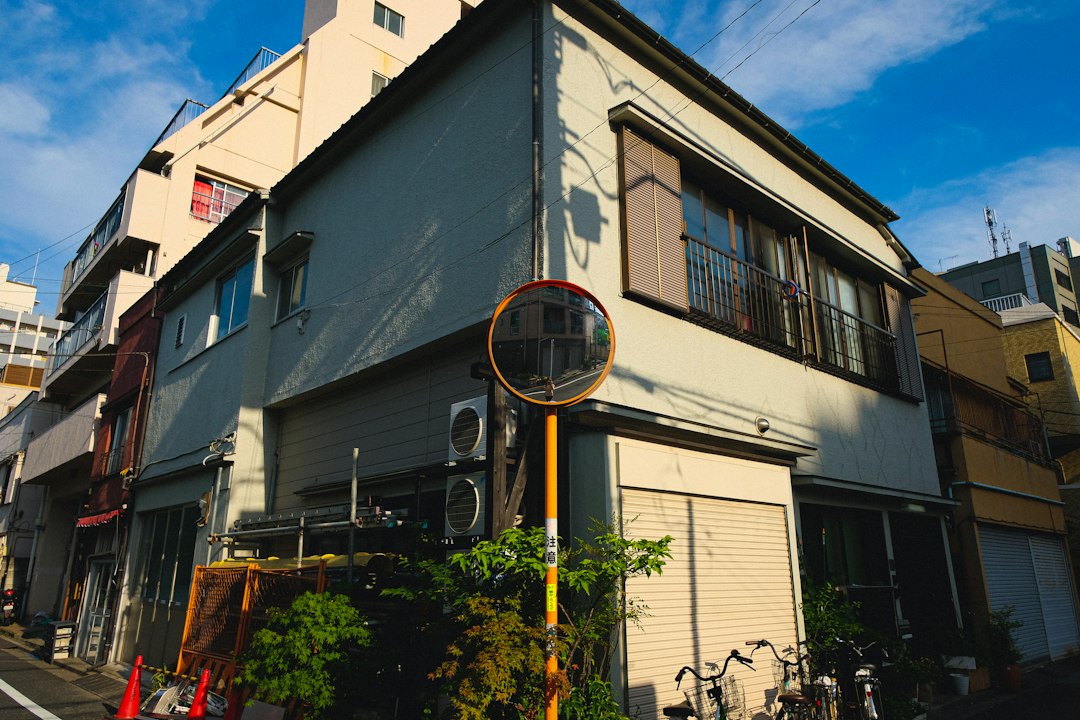
Photo by Mylène Larnaud on Unsplash