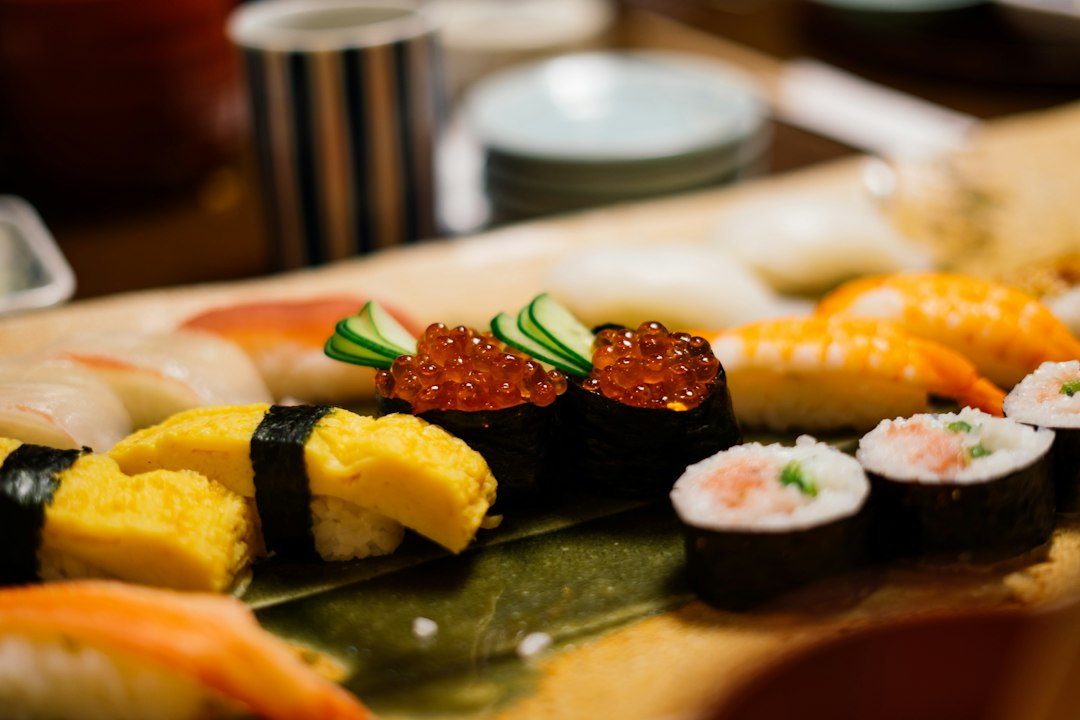
Why Kyoto Is a Vegetarian Sushi Lover’s Dream
Kyoto, the ancient capital of Japan, is often celebrated for its temples, gardens, and geisha culture, but it also happens to be one of the best cities in the country for vegetarian and plant-based dining. Thanks to a centuries-old Buddhist vegetarian tradition known as shojin ryori, Kyoto’s chefs have long mastered the art of creating deeply satisfying meals without meat or fish. This culinary heritage has quietly influenced the modern sushi scene, making it easier than in many other Japanese cities to find beautifully crafted vegetarian sushi that stays true to the artistry of traditional nigiri and maki.
Unlike some destinations where vegetarian sushi means a sad cucumber roll, Kyoto restaurants take pride in using the region’s famous Kyoyasai heritage vegetables, artisanal tofu, yuba (tofu skin), and seasonal produce to recreate the textures and umami of classic sushi. Whether you are a strict vegan, a vegetarian who avoids fish but eats dairy or eggs, or simply someone curious about plant-based Japanese cuisine, Kyoto offers a surprisingly rich landscape of options.
Understanding Vegetarian Sushi in Japan
Before diving into restaurant recommendations, it helps to understand a few nuances of vegetarian dining in Japan. Traditional sushi rice is often seasoned with rice vinegar, sugar, and salt, which is generally vegetarian-friendly. However, many restaurants use dashi, a stock traditionally made from bonito flakes (katsuobushi), in their rice, sauces, or miso soup. If you are vegetarian or vegan, it is worth asking specifically whether the dashi used is kombu-based (seaweed) rather than fish-based.
Soy sauce is almost always vegetarian, but ponzu sauce sometimes contains fish-derived ingredients. Wasabi served in restaurants is often a horseradish-based paste rather than pure wasabi root, which is vegetarian, but always worth confirming if you have severe dietary restrictions. Learning a few key Japanese phrases can make ordering much smoother:
- Bejitarian desu (I am vegetarian)
- Sakana to niku wa tabemasen (I do not eat fish or meat)
- Dashi wa nan desu ka? (What is the dashi made from?)
- Kore wa bejitarian ryori desu ka? (Is this a vegetarian dish?)
Types of Vegetarian Sushi You Will Encounter
Kyoto’s vegetarian sushi options go far beyond simple cucumber rolls. Here are some classics you are likely to find on menus across the city:
- Inari zushi: Sweet, vinegared rice stuffed into pouches of seasoned fried tofu (aburaage). This is one of the most beloved traditional vegetarian sushi styles in Japan and a Kyoto specialty in its own right.
- Kappa maki: Simple cucumber rolls, a reliable vegetarian staple at almost any sushi counter.
- Avocado and vegetable nigiri: Creative modern sushi restaurants top rice with marinated avocado, roasted eggplant, or pickled vegetables shaped to resemble traditional fish cuts.
- Yuba sushi: Delicate tofu skin, a Kyoto specialty, is often used as a topping or wrap for nigiri, offering a silky texture reminiscent of raw fish.
- Shiitake and kanpyo rolls: Simmered shiitake mushrooms and dried gourd strips bring rich umami flavor to maki rolls.
- Tamago nigiri: Sweet Japanese omelet sushi is vegetarian (though not vegan due to egg) and widely available.
Best Neighborhoods to Find Vegetarian Sushi in Kyoto
Arashiyama
Home to the famous bamboo grove and Tenryuji Temple, Arashiyama is also a wonderful area to experience shojin ryori-influenced dining. Several restaurants near the temple complex serve multi-course vegetarian meals that include sushi-style rice dishes as part of a broader seasonal set menu, giving visitors a chance to pair temple sightseeing with a meaningful vegetarian meal.
Nishiki Market and Downtown Kyoto
Known as Kyoto’s Kitchen, Nishiki Market is packed with small vendors selling inari zushi, pickled vegetables, and tofu-based snacks that are naturally vegetarian. Downtown Kyoto, particularly around the Kawaramachi and Shijo areas, also has a growing number of modern cafes and sushi restaurants that offer dedicated vegetarian or vegan menus, often clearly marked in English for international visitors.
Gion and Higashiyama
This historic geisha district is filled with traditional restaurants, some of which offer refined kaiseki-style meals with vegetarian options available upon request. While not every restaurant here specializes in vegetarian sushi, many are accustomed to accommodating dietary requests, especially if you contact them in advance.
Kyoto Station Area
For travelers with limited time, the area around Kyoto Station has a surprising number of vegetarian-friendly restaurants and food stalls inside the station complex and nearby shopping arcades, making it convenient to grab a vegetarian sushi meal before catching a train.
Tips for Enjoying Vegetarian Sushi in Kyoto
- Call or message ahead: Many smaller sushi restaurants do not have extensive English menus, so contacting them in advance to ask about vegetarian or vegan options can save time and avoid misunderstandings.
- Visit shojin ryori restaurants: Many Buddhist temple-affiliated restaurants serve multi-course meals that include rice dishes styled like sushi, offering an authentic and historically rooted vegetarian dining experience.
- Try a sushi-making class: Several cooking schools in Kyoto offer vegetarian sushi-making workshops, where you can learn to prepare inari zushi, vegetable nigiri, and rolled maki using seasonal Kyoto vegetables.
- Explore department store basements (depachika): The basement food halls of major department stores near Kyoto Station and downtown often sell pre-made vegetarian sushi boxes, perfect for a quick, affordable meal.
- Ask about vegan dashi: If you are vegan, specifically request kombu dashi instead of the traditional bonito-based stock, as many modern restaurants now offer this substitution.
Budget Expectations
Vegetarian sushi in Kyoto can fit almost any budget. Casual inari zushi and simple vegetable rolls purchased from markets or convenience stores are extremely affordable, often costing just a few hundred yen. Mid-range restaurants offering dedicated vegetarian sushi sets typically fall into a moderate price bracket comparable to a standard sit-down lunch. For a more elevated experience, multi-course shojin ryori meals at temple-affiliated restaurants or upscale vegetarian dining establishments can be a wonderful splurge, often priced similarly to a high-end kaiseki dinner, but well worth it for the craftsmanship and seasonal presentation.
A Note on Vegan Certification
While Kyoto has made great strides in accommodating vegetarian and vegan travelers, formal vegan certification is still relatively uncommon compared to some Western cities. It is always wise to double-check ingredients, especially regarding dashi, mirin, and sauces, if you are following a strict vegan diet. Many restaurants are happy to modify dishes upon request, particularly if you communicate clearly and politely.
Final Thoughts
Kyoto’s deep-rooted vegetarian culinary traditions, combined with its modern embrace of international dietary needs, make it one of the most rewarding cities in Japan to explore vegetarian sushi. From humble inari zushi sold in local markets to elegant multi-course shojin ryori meals inspired by centuries of Buddhist practice, there is no shortage of delicious, thoughtfully prepared options waiting to be discovered. Take your time exploring different neighborhoods, don’t hesitate to ask questions about ingredients, and enjoy discovering how Kyoto’s chefs continue to reinvent this beloved culinary art form for every kind of traveler.
Photo by bady abbas on Unsplash