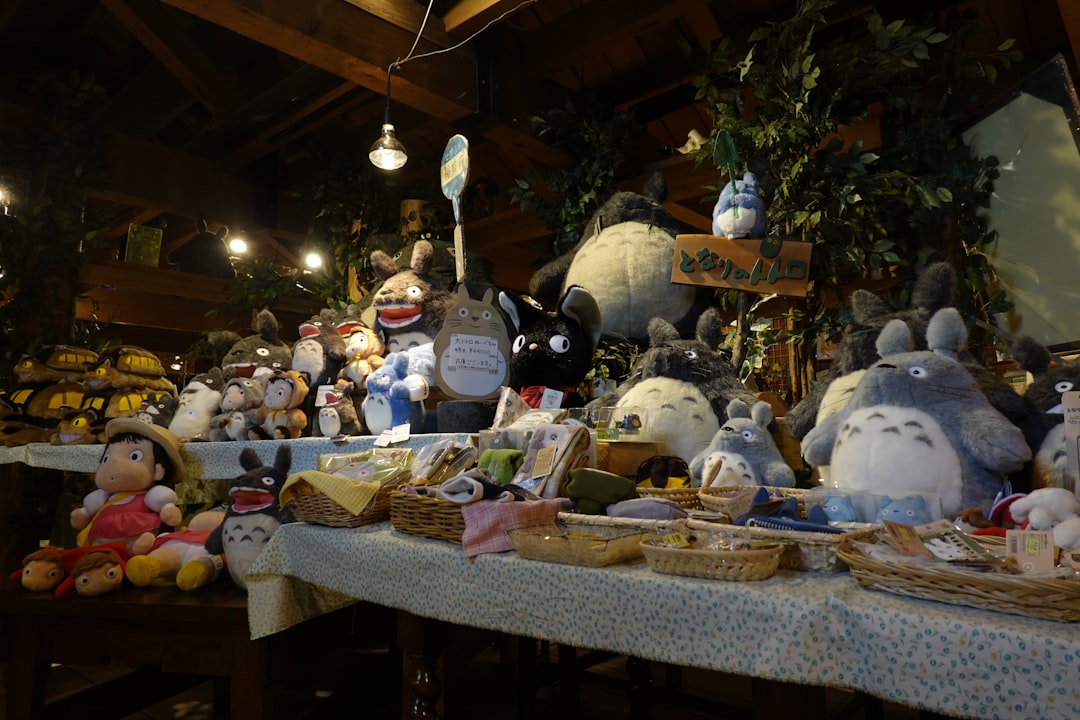

Photo by Hoyoun Lee on Unsplash
The Studio Ghibli Museum in Mitaka, Tokyo, stands as one of Japan’s most enchanting cultural destinations, offering visitors an immersive journey into the magical world of Studio Ghibli’s beloved animated films. Created under the supervision of legendary director Hayao Miyazaki himself, this museum brings to life the wonder and creativity that defines Studio Ghibli’s cinematic masterpieces.
About the Studio Ghibli Museum
Located in the picturesque Inokashira Park area of Mitaka, the Studio Ghibli Museum opened its doors as a celebration of animation artistry and storytelling. Unlike traditional museums, this unique space feels more like stepping into a living Ghibli film, where every corner holds surprises and every detail reflects the studio’s commitment to craftsmanship and imagination.
The museum building itself embodies Miyazaki’s vision, featuring organic architecture with curved lines, natural materials, and whimsical design elements that mirror the aesthetic found in Ghibli films. From the moment you approach the entrance, you’ll notice the careful attention to detail that makes this museum special – from the decorative metalwork to the lush gardens that surround the building.
Planning Your Visit: Tickets and Reservations
Visiting the Studio Ghibli Museum requires advance planning, as tickets cannot be purchased at the museum itself. The museum operates on a reservation-only basis to maintain an intimate atmosphere and prevent overcrowding.
Ticket Purchase Options
International visitors have several options for securing tickets. The most reliable method is purchasing tickets through authorized travel agencies or tour operators that specialize in Japan travel. Many visitors also arrange tickets through their hotels or travel guides before arriving in Japan.
For those already in Japan, tickets can be purchased at Lawson convenience stores throughout the country. These tickets are released monthly and tend to sell out quickly, especially during peak seasons and holidays.
Entry Times and Duration
The museum operates with specific entry times to manage visitor flow: 10:00 AM, 12:00 PM, 2:00 PM, and 4:00 PM. Once inside, visitors can stay until closing time. Plan to spend approximately 2-3 hours exploring the museum thoroughly, though animation enthusiasts might find themselves captivated for longer periods.
Museum Highlights and Exhibitions
The Studio Ghibli Museum houses multiple permanent exhibitions alongside rotating displays that showcase different aspects of animation production and Studio Ghibli’s creative process.
The Central Hall
Upon entering, visitors find themselves in the magnificent central hall, featuring a stunning spiral staircase that serves as the museum’s heart. This space often displays large-scale models and artwork from various Ghibli productions, creating an immediate sense of wonder and anticipation for what lies ahead.
Animation Workshop
One of the museum’s most educational areas, the animation workshop demonstrates how movement is created through sequential drawings. Interactive displays show the principles of animation, allowing visitors to understand the painstaking process behind creating smooth, lifelike movement in Ghibli films.
Film Exhibition Room
This dedicated screening area presents exclusive short films created specifically for the museum. These special productions cannot be viewed anywhere else, making them a unique treat for Ghibli fans. The films rotate periodically, giving repeat visitors new content to enjoy.
Catbus Room
Designed specifically for younger visitors, the Catbus room features a large, soft replica of the iconic Catbus from “My Neighbor Totoro.” Children can climb aboard and explore this beloved character, while parents capture precious memories of their little ones’ joy and wonder.
Rooftop Garden and Robot Soldier
The museum’s rooftop garden provides a peaceful escape with beautiful views of the surrounding area. The garden’s centerpiece is a full-size Robot Soldier from “Castle in the Sky,” standing guard over the museum like a gentle giant. This impressive statue has become one of the museum’s most photographed features, representing the perfect blend of technology and nature that characterizes many Ghibli films.
The garden also features the museum’s emblem – a beautiful metalwork design that appears throughout the facility. Seasonal plants and flowers ensure the garden offers different experiences throughout the year, from cherry blossoms in spring to vibrant autumn colors.
Museum Shop and Exclusive Merchandise
The museum shop, Mamma Aiuto, offers an extensive collection of Studio Ghibli merchandise, including many items exclusive to the museum. From plushies and figurines to books and stationery, the shop caters to fans of all ages.
Exclusive items include museum-specific designs, limited edition artwork, and unique interpretations of beloved characters. Many visitors find the shop to be a highlight of their visit, offering tangible memories of their magical experience.
Café Straw Hat
The museum’s café provides a welcome respite during your visit, serving both light meals and beverages in an atmosphere that continues the Ghibli theme. The café’s design incorporates natural elements and warm colors that create a cozy, inviting space reminiscent of the cafés and kitchens featured in Ghibli films.
Menu items often feature seasonal ingredients and playful presentations that appeal to both children and adults. The café’s windows offer lovely views of the surrounding park, creating a perfect spot for reflection and relaxation.
Getting There: Transportation and Access
The Studio Ghibli Museum is located in Mitaka, easily accessible from central Tokyo via the JR Chuo Line. From Mitaka Station, visitors have two main options for reaching the museum.
The community bus, decorated with Ghibli characters, provides direct service to the museum and has become part of the experience for many visitors. Alternatively, a pleasant 15-minute walk through residential neighborhoods and park areas offers a more leisurely approach to the museum.
The walk from Mitaka Station to the museum takes visitors through charming local streets and eventually into Inokashira Park, building anticipation for the magical experience ahead.
Photography Policy and Guidelines
The Studio Ghibli Museum maintains a strict no-photography policy inside the building to preserve the intimate, contemplative atmosphere. This policy encourages visitors to be fully present and engaged with the exhibitions rather than viewing them through camera lenses.
Photography is permitted in the rooftop garden and some outdoor areas, where visitors can capture memories with the Robot Soldier and enjoy the beautiful garden settings.
Tips for the Best Museum Experience
To maximize your Studio Ghibli Museum visit, arrive early in your designated time slot to avoid crowds and have the most peaceful experience possible. Wear comfortable shoes, as you’ll be doing considerable walking and stair climbing throughout the multi-level facility.
Consider watching or re-watching some Studio Ghibli films before your visit to enhance your appreciation of the exhibitions and references throughout the museum. Popular films to familiarize yourself with include “My Neighbor Totoro,” “Spirited Away,” “Castle in the Sky,” and “Kiki’s Delivery Service.”
The museum offers audio guides in multiple languages, providing detailed information about exhibitions and the animation process. These guides enhance the educational value of your visit and offer insights you might otherwise miss.
Accessibility and Family Considerations
The Studio Ghibli Museum welcomes families and provides several amenities for visitors with children. The facility includes accessible routes for visitors with mobility challenges, though some areas involve stairs and may be difficult to navigate.
Baby strollers can be stored at the entrance, and the museum provides baby-changing facilities. The Catbus room specifically caters to younger children, while older kids and adults will find plenty to captivate their interest throughout the other exhibitions.
The Studio Ghibli Museum represents more than just a tourist attraction – it’s a celebration of imagination, creativity, and the power of storytelling through animation. Whether you’re a longtime Studio Ghibli fan or simply curious about Japanese animation culture, this magical museum offers an unforgettable experience that captures the wonder and artistry that makes Studio Ghibli films beloved worldwide.