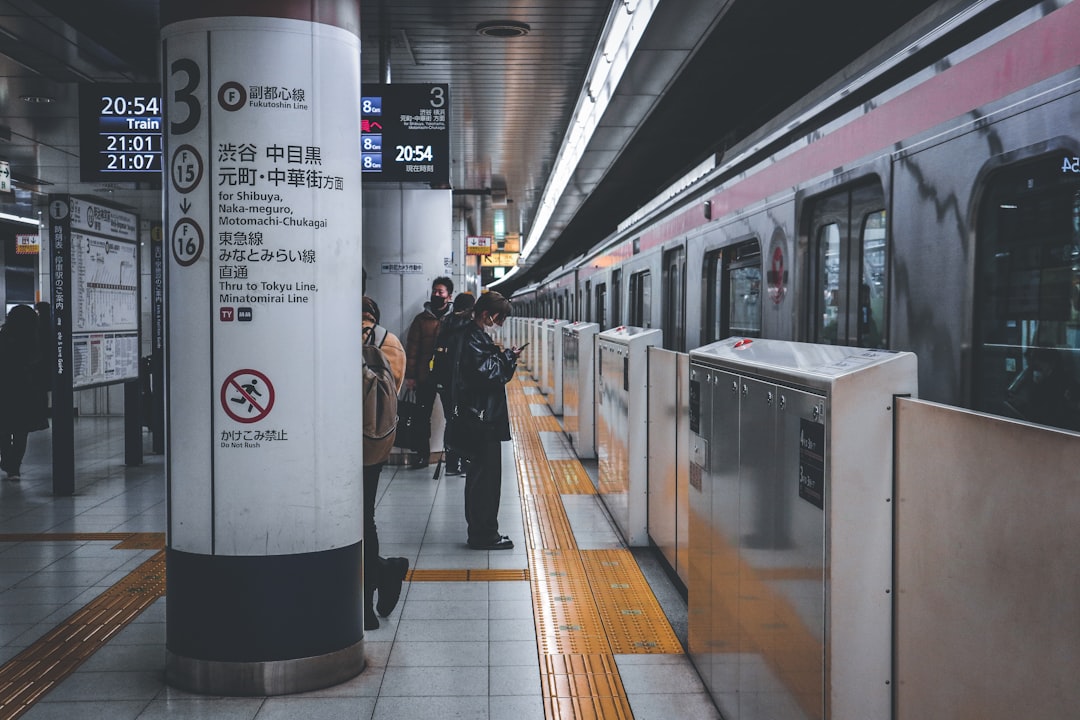

Photo by BREAKIFY on Unsplash
Navigating Tokyo’s extensive subway system in 2026 has never been more accessible, thanks to recent technological improvements and enhanced foreign visitor support. With over 280 stations across 13 lines operated by two major companies, the Tokyo subway network can initially seem overwhelming, but with the right knowledge and tools, you’ll be zipping across the city like a local in no time.
Understanding Tokyo’s Two Main Subway Operators
Tokyo’s subway system is operated by two primary companies: Tokyo Metro and Toei Subway. Tokyo Metro operates nine lines including the popular Ginza, Marunouchi, and Hibiya lines, while Toei Subway manages four lines including the Asakusa and Oedo lines. As of 2026, both companies have significantly improved their English signage and smartphone app integration to better serve international visitors.
The key difference between these operators is pricing – transfers between Tokyo Metro and Toei lines incur additional charges, while staying within one operator’s network keeps costs lower. Understanding this distinction will help you plan more efficient and economical routes throughout the city.
Essential IC Cards for Seamless Travel
In 2026, IC cards remain the most convenient way to navigate Tokyo’s subway system. The two primary options are Suica (JR East) and PASMO (private railways and subways). Recent updates have made these cards more foreign-visitor friendly, with English-language support and easier purchase options at major stations.
As of 2026, you can purchase IC cards at ticket machines with full English interfaces, and many stations now accept international credit cards for initial card purchases and top-ups. The minimum purchase amount is ¥1,000 (including ¥500 deposit), and you can add funds in increments of ¥100. These cards work seamlessly across all Tokyo subway lines, JR trains, buses, and even many convenience stores and vending machines.
For visitors staying longer than a week, consider the Greater Tokyo Pass or Tokyo Metro 24/48/72-hour tickets, which offer unlimited rides within specified time periods and can provide significant savings for frequent travelers.
Smartphone Apps That Transform Your Journey
Tokyo’s subway navigation has been revolutionized by smartphone technology in 2026. The official Tokyo Metro app now features real-time train tracking, platform-specific directions, and augmented reality features that overlay directional information using your phone’s camera.
Google Maps integration has also improved dramatically, providing accurate platform numbers, exit information, and even crowding predictions for different train cars. The app Hyperdia remains excellent for complex route planning, while Tokyo Subway Navigation offers offline functionality – crucial when underground signal strength is limited.
Download these apps before your trip and familiarize yourself with their interfaces. Many now support voice commands in English and can provide step-by-step audio navigation, making them particularly helpful during rush hours when visual navigation becomes challenging.
Decoding Station Names and Signs
Tokyo subway stations use a color-coded numbering system that makes navigation significantly easier in 2026. Each line has a designated color and letter combination – for example, the Ginza Line uses ‘G’ with numbers (G01, G02, etc.), while the Marunouchi Line uses ‘M’. This system helps you track your progress and identify transfer points even if you can’t read Japanese characters.
Station signs now feature larger English text and clearer directional indicators. Look for the distinctive subway symbols – a circle with an ‘M’ for Tokyo Metro stations and a leaf symbol for Toei stations. Exit numbers are clearly marked in both Japanese and English, with many stations providing detailed area maps showing which exits lead to specific landmarks or districts.
Platform announcements are made in both Japanese and English, and digital displays show upcoming stations in multiple languages. The newer trains feature LED strips above doors that display upcoming stations and transfer information in real-time.
Rush Hour Strategies and Etiquette
Tokyo’s rush hours (7:30-9:30 AM and 5:30-7:30 PM) present unique challenges that require specific strategies. In 2026, many stations have implemented crowd management systems with real-time capacity indicators and platform markings that show less crowded car positions.
During peak times, follow proper subway etiquette: remove your backpack and carry it in front of you, avoid eating or drinking, keep conversations quiet, and offer priority seats to elderly, pregnant, or disabled passengers. Many trains now have designated quiet cars during rush hours, marked with special signage.
If possible, travel slightly outside peak hours or use express trains that skip intermediate stations. The Tokyo Metro app’s crowd prediction feature can help you choose less congested travel times and routes.
Navigating Transfers and Connections
Transfer navigation has improved significantly with enhanced signage and digital wayfinding systems implemented throughout 2026. Major transfer stations like Shimbashi, Otemachi, and Shinjuku-sanchome now feature color-coded floor markings and overhead directional signs in multiple languages.
When planning transfers, allow 5-10 minutes at major stations, as some connections require substantial walking through underground passages. The newer stations feature moving walkways and clearer sight lines, but older stations may require navigating multiple levels and lengthy corridors.
Download offline station maps before your journey, as some underground areas have limited cellular coverage. Many transfer stations now offer free Wi-Fi, but having offline resources ensures uninterrupted navigation.
Cost-Effective Ticket Options for Tourists
Tokyo subway pricing in 2026 varies based on distance and operator changes. Individual rides typically cost between ¥170-¥320 for Tokyo Metro and ¥180-¥430 for Toei lines. However, several tourist-focused passes can provide substantial savings:
The Tokyo Metro 24-hour ticket (¥800) offers unlimited rides on Tokyo Metro lines, while the Tokyo Metro/Toei combination pass (¥1,200 for 24 hours) covers both operators. For visitors using JR trains alongside subways, consider the Greater Tokyo Pass, which includes most rail transport in the metropolitan area.
As of 2026, these passes can be purchased digitally through smartphone apps or at station ticket machines with English interfaces. Digital passes automatically activate upon first use and track your usage throughout the validity period.
Accessibility Features and Support
Tokyo’s subway system has dramatically improved accessibility features leading up to and through 2026. Most stations now feature elevator access to all platforms, tactile paving for visually impaired passengers, and audio announcements with detailed station information.
Station staff assistance has been enhanced with multilingual support and specialized training for helping foreign visitors. Look for staff members wearing special badges indicating English language capability, or use the Tokyo Metro app’s staff request feature to summon assistance in multiple languages.
Many stations feature barrier-free routes clearly marked on station maps, and the Tokyo Metro website provides detailed accessibility information for each station, including elevator locations and step-free routes.
Emergency Procedures and Safety
Tokyo’s subway system maintains exceptional safety standards, with comprehensive emergency procedures clearly posted in multiple languages as of 2026. Emergency communication devices are located on all platforms and inside train cars, with direct connections to English-speaking operators.
In case of natural disasters, follow station announcements and staff instructions. The subway system has robust earthquake detection systems that automatically halt trains when necessary. Emergency supplies and evacuation route information are posted throughout all stations.
Keep emergency contact information easily accessible on your phone, and familiarize yourself with your nearest embassy or consulate contact details. The Tokyo Metropolitan Government offers a disaster preparedness app with real-time alerts in multiple languages.
Pro Tips for Subway Success
Start your Tokyo subway mastery by practicing with shorter journeys before attempting complex cross-city routes. Purchase your IC card at less busy stations like those in residential areas, where staff have more time to provide detailed explanations of the system.
Keep small bills for ticket machines that don’t accept large denominations, though most newer machines now provide change for ¥10,000 notes. Always check the last train times, as service typically ends between 11:30 PM and 12:30 AM, with varying schedules by line.
Consider staying in accommodations near major subway lines rather than smaller stations, as these typically offer better connections and more frequent service. The Yamanote Line area provides excellent subway access to most tourist destinations throughout Tokyo.