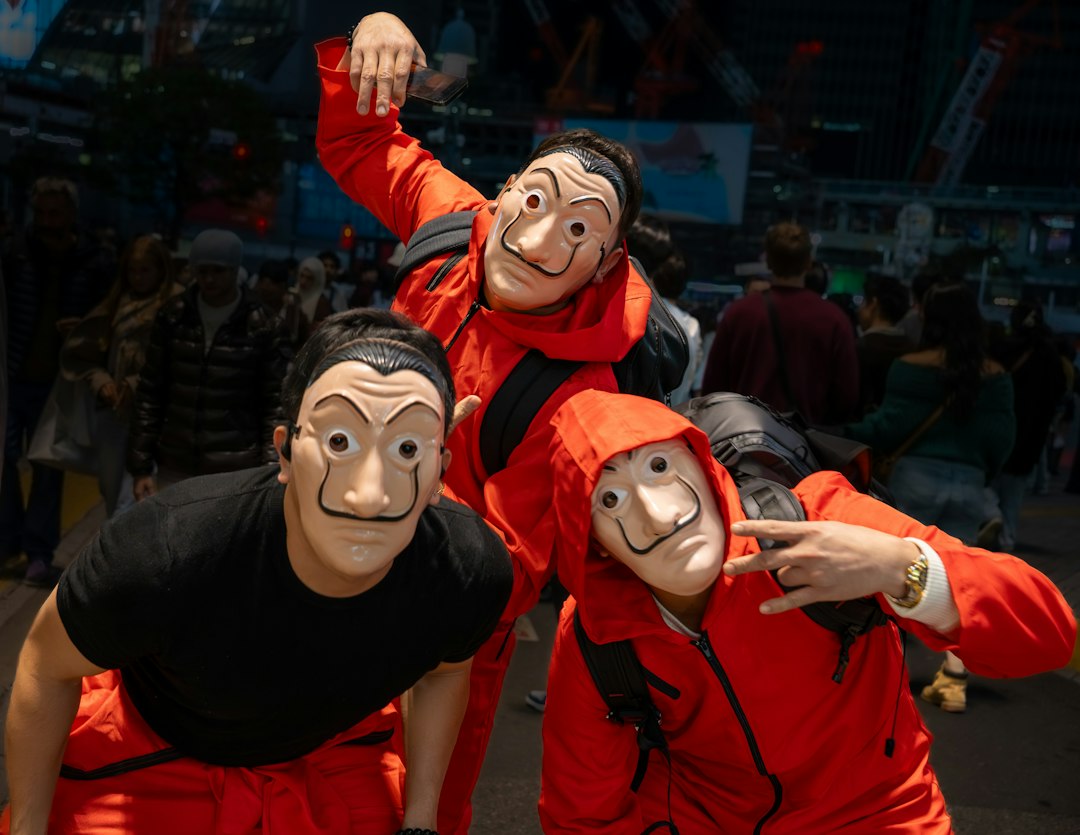
What Is Nipponbashi Street Festa?
Nipponbashi Street Festa is one of Japan’s largest street cosplay festivals, held annually in Osaka’s Den Den Town, the Kansai region’s answer to Tokyo’s Akihabara. Thousands of cosplayers from across Japan and abroad descend on this otaku shopping district to parade their meticulously crafted costumes along closed-off streets lined with anime shops, figure stores, and maid cafes. Unlike ticketed convention halls, this event transforms an entire neighborhood into an open-air stage, making it completely free to attend as a spectator.
The festival celebrates anime, manga, video games, and pop culture in general, drawing character cosplayers ranging from mainstream shonen heroes to obscure indie game characters. For fans of Japanese subculture, it offers an unfiltered, authentic glimpse into the country’s vibrant cosplay community.
Where and When Does It Happen
The event takes place in Nipponbashi (also called Den Den Town), located in Naniwa Ward, Osaka, easily reached via Nippombashi Station on the Sakaisuji and Sennichimae subway lines, or Ebisucho Station. The festival typically spans a weekend in spring, with the main cosplay parade concentrated on Sunday. Exact dates shift each year, so always check official announcements or local tourism sites close to your travel dates, since organizers adjust scheduling based on venue availability and community input.
The core action unfolds along Sakaisuji Street and the surrounding arcades, where cosplayers gather in front of shuttered shopfronts, alleyways, and designated photo zones. Side streets and nearby parks often host additional meetup spots for specific fandoms.
Why Nipponbashi Is Different From Other Cosplay Events
- It is a street-based festival, not a ticketed indoor convention, so anyone can wander through and enjoy the spectacle for free.
- The neighborhood itself is a destination even without the festival, packed with anime merchandise stores, retro game shops, and specialty otaku goods.
- Photography is central to the experience, with organized photo areas as well as spontaneous shoots happening organically on sidewalks and steps.
- It has a distinctly local, community-driven feel compared to larger commercial conventions, run heavily by neighborhood shop associations and volunteer staff.
How to Prepare If You Want to Cosplay
If you plan to participate as a cosplayer rather than just spectate, there are important rules to understand. Most Japanese street cosplay events, including this one, require participants to register in advance and change into costume only inside designated changing areas rather than arriving in full costume on public transportation. This etiquette rule exists across nearly all Japanese cosplay gatherings and is strictly enforced.
- Register early through the official event website or designated cosplay registration system, as slots can fill up.
- Bring your costume in a bag and use the on-site changing rooms or nearby cosplay-friendly facilities.
- Carry ID, as some registration systems require age verification for costumes involving weapons or revealing designs.
- Avoid prop weapons that look overly realistic; replica firearms and blades usually need to be peace-bonded or made obviously fake.
- Respect the shop owners and residents whose storefronts and streets you are using as backdrops.
Tips for Spectators and Photographers
Even without dressing up, simply walking through Den Den Town during the festival is a memorable experience. Here is how to make the most of it as a visitor:
- Arrive early, ideally before midday, since the best costumes and crowds peak during early afternoon hours.
- Always ask permission before photographing cosplayers directly; most are happy to pose but appreciate the courtesy.
- Bring a camera or smartphone with a fast shutter, as the crowded streets mean quick candid shots are common.
- Wear comfortable shoes, as you will be walking and standing for extended periods across multiple blocks.
- Stay hydrated, especially if the event falls during warmer months, and take breaks in the many cafes lining the district.
What to See and Do in Den Den Town Besides Cosplay
Nipponbashi is worth exploring beyond festival days too. The district is packed with multi-story anime goods shops, secondhand game stores, plastic model kit specialists, and maid cafes. Popular stops include large retailers stocking figures, trading cards, and character merchandise, as well as niche stores dedicated to retro consoles and doujin (fan-made) works. Many establishments cater specifically to hobbyist collectors, so even a non-cosplayer anime fan will find plenty to browse.
Food options nearby range from casual ramen shops to themed cafes, some featuring anime or game collaborations that rotate seasonally. Taking a break to enjoy Osaka’s famous street food, like takoyaki or okonomiyaki, pairs naturally with a day of festival wandering.
Getting There and Practical Travel Tips
Osaka’s excellent subway network makes reaching Nipponbashi simple from almost anywhere in the city. If you are staying in central Osaka near Namba or Umeda, the trip typically takes under fifteen minutes by subway. For travelers coming from Kyoto or Kobe, Osaka is easily accessible by train, making a day trip to the festival convenient even if you are not based in the city itself.
- Use an IC card (ICOCA, Suica, Pasmo) for seamless subway travel.
- Expect crowds around exits near the venue during festival hours, so allow extra time.
- Coin lockers near the station can store extra bags if you are also carrying cosplay gear.
- Nearby Namba and Shinsaibashi offer additional shopping and dining if you want to extend your day.
Final Thoughts
Nipponbashi Street Festa offers a rare, immersive experience for anime and cosplay fans visiting Japan, blending grassroots community spirit with the visual spectacle of hundreds of elaborate costumes filling ordinary city streets. Whether you plan to cosplay yourself, photograph the event, or simply soak in the atmosphere while shopping for anime merchandise, this festival captures a side of Japanese pop culture that feels both accessible and deeply authentic. Because exact dates vary each year, checking official local tourism resources before your trip ensures you catch this unforgettable Osaka event at its best.
Photo by Bhanu Singh on Unsplash