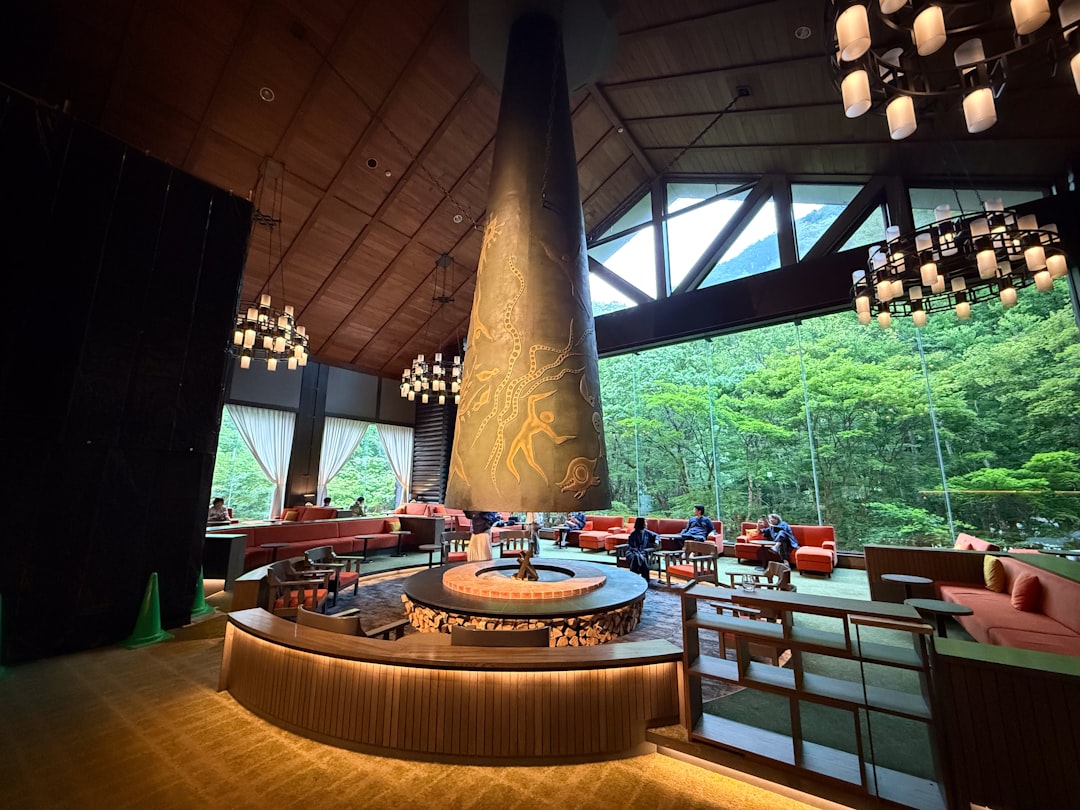

Photo by Zion C on Unsplash
Why Nagano Is Japan’s Ultimate Mountain Onsen Destination
Tucked between the Northern and Central Japan Alps, Nagano Prefecture has been a refuge for weary travelers for centuries. Long before ski resorts and bullet trains arrived, samurai, pilgrims, and farmers soaked their tired bodies in the same mineral-rich waters that bubble up today. What makes Nagano special isn’t just the abundance of hot springs—it’s the setting. Here, onsen culture and alpine scenery merge into something rare: steaming rotenburo (open-air baths) surrounded by cedar forests, snow-capped peaks, or valleys thick with mist. A mountain lodge onsen retreat in Nagano is less a vacation and more a reset button for body and mind.
This guide walks you through everything you need to plan the perfect escape, from choosing the right region to understanding lodge etiquette and building an itinerary that actually lets you relax.
What Makes a ‘Mountain Lodge Onsen’ Different
Unlike a city hotel with a spa attached, a mountain lodge onsen retreat is built around the hot spring itself. These properties range from rustic, family-run wooden lodges with a handful of rooms to more polished ryokan-style inns, but they share a few defining traits:
- Natural, often untreated spring water sourced directly from volcanic or geothermal veins nearby
- Rotenburo baths positioned to frame views of mountains, rivers, or forest canopy
- Home-style or kaiseki multi-course dinners using local mountain vegetables, river fish, and Shinshu beef
- Tatami-mat rooms, futon bedding, and a slower pace of daily life
- Minimal digital distraction—many lodges still lack in-room TVs by design
The goal isn’t luxury for its own sake; it’s immersion in a slower, more grounded rhythm of mountain living.
Best Regions for a Nagano Onsen Retreat
Shirahone Onsen
Known for its milky-white sulfuric waters (the name literally means ‘white bone’), Shirahone sits deep in a narrow valley near the Norikura mountain range. Lodges here are small and intimate, often with baths carved directly into rock. It’s ideal for travelers who want minimal crowds and maximum immersion in nature.
Nozawa Onsen
A historic hot spring village with free public bathhouses (soto-yu) scattered throughout its streets, Nozawa blends onsen culture with a walkable, lantern-lit town atmosphere. Many lodges here double as ski lodges in winter, making it a great base for combining soaking with outdoor activity.
Bessho Onsen
Sometimes called the ‘Kamakura of Shinshu’ for its historic temples, Bessho offers a quieter, more contemplative retreat experience. The lodges here tend to be smaller and family-run, with an emphasis on traditional hospitality.
Togakushi and the Northern Alps Foothills
For travelers who want forest bathing alongside hot spring bathing, this area near Togakushi Shrine offers lodges surrounded by dense cedar groves and hiking trails, perfect for a nature-forward retreat.
Yudanaka and Shibu Onsen
Famous for their proximity to the snow monkey park, this area also has some of the oldest bathhouses in Japan, some dating back over a thousand years. Lodges here often maintain a nostalgic, old-town charm with narrow lantern-lit alleys.
Choosing the Right Type of Lodge
Not all mountain onsen retreats are the same, and picking the right style matters for your comfort:
- Traditional ryokan: Full-service with kaiseki dinners, yukata robes, and attentive staff. Best for a classic, immersive experience.
- Family-run minshuku or pension: Smaller, more affordable, with home-cooked meals and a personal touch. Great for solo travelers or couples wanting authenticity over polish.
- Modern mountain lodges: A hybrid of Western-style rooms with onsen facilities, popular among hikers and skiers who want comfort without giving up bathing traditions.
Consider your priorities: do you want an English-speaking staff, private in-room baths, or a communal bathing experience with strangers? Each style delivers a different atmosphere.
Best Times of Year to Visit
Nagano’s mountain onsen retreats are genuinely a year-round pleasure, each season offering its own magic:
- Winter: Steam rising against falling snow is the quintessential rotenburo image. Pair your soak with skiing or snow monkey watching.
- Spring: Cherry blossoms and fresh mountain greenery make for gentle hikes before an evening bath.
- Summer: Escape the lowland heat and humidity; mountain elevations keep evenings cool and comfortable for soaking.
- Autumn: Perhaps the most photogenic season, with fiery foliage reflected in outdoor bath waters.
Onsen Etiquette Every Guest Should Know
For first-timers, a few simple rules ensure a respectful and comfortable experience:
- Wash and rinse thoroughly at the shower stations before entering the bath
- Tie long hair up and keep towels out of the water
- Bathing is typically done nude; swimwear is not standard practice
- Tattoos may be restricted at some traditional baths, though many mountain lodges are increasingly tattoo-friendly—check ahead if this applies to you
- Speak softly; onsen are spaces for quiet reflection, not loud conversation
Sample Two-Night Retreat Itinerary
A relaxed structure that balances soaking, eating, and light activity:
- Day 1: Arrive by early afternoon, check in, take a short walk around the property or nearby trail, then enjoy your first evening onsen soak before a multi-course dinner.
- Day 2: Wake for an early morning bath when the air is coolest, followed by a traditional breakfast. Spend the day hiking a nearby trail or visiting a historic shrine, then return for a second soak before dinner.
- Day 3: One final morning bath, a leisurely breakfast, and a slow departure with time to browse a nearby onsen town before heading home.
Booking Tips for a Smooth Retreat
Many of the best mountain lodges are small, with limited rooms, so booking several weeks ahead is wise, especially around weekends and holiday periods. Look for lodges that include half-board (dinner and breakfast) in their rates, as remote mountain locations often have few dining alternatives nearby. If privacy is important, ask specifically about lodges offering private family baths (kashikiri buro) in addition to communal ones.
Final Thoughts
A Nagano mountain lodge onsen retreat offers something increasingly rare: permission to slow down completely. Away from city noise, surrounded by alpine air and centuries-old bathing traditions, these retreats invite you to reconnect with a simpler rhythm of life. Whether you choose the milky waters of Shirahone, the historic lanes of Shibu, or the forested calm near Togakushi, the mountains of Nagano are ready to welcome you into one of Japan’s most restorative travel traditions.