Discovering Mount Koya: Japan’s Sacred Mountain Retreat
Perched at over 800 meters above sea level in Wakayama Prefecture, Mount Koya (Koyasan) is one of Japan’s most spiritually significant destinations. Founded over a thousand years ago by the monk Kobo Daishi (Kukai) as the headquarters of Shingon Buddhism, this mountain sanctuary is home to more than a hundred temples, many of which offer overnight stays known as shukubo. Among the many contemplative activities available to guests, sutra copying, or shakyo, stands out as one of the most rewarding ways to connect with the mountain’s ancient spiritual traditions.
A temple stay on Mount Koya combined with sutra copying offers travelers something increasingly rare: a genuine pause from the noise of daily life. Whether you are a seasoned meditator or a curious traveler seeking authentic cultural immersion, this experience blends history, mindfulness, and Japanese hospitality into an unforgettable journey.
What Is Shukubo? Understanding Temple Lodging
Shukubo refers to temple lodgings that were originally built to house pilgrims visiting sacred sites. On Mount Koya, dozens of temples have preserved this tradition, opening their doors to travelers from around the world. Unlike a typical hotel, a shukubo stay immerses guests directly into the rhythm of monastic life.
- Guests sleep in tatami-mat rooms with futon bedding, often overlooking peaceful temple gardens.
- Meals consist of shojin ryori, an elegant vegetarian cuisine prepared without meat, fish, or strong-smelling vegetables like garlic and onion.
- Many temples invite guests to observe or participate in the morning goma fire ritual and sutra chanting.
- Shared bathing facilities, often in the style of a traditional Japanese bath, are available for relaxation after a day of exploring.
This immersive setting makes Mount Koya one of the few places in Japan where visitors can experience Buddhist monastic culture firsthand rather than simply observing it from a distance.
The Art and Meaning of Sutra Copying (Shakyo)
Sutra copying is a centuries-old Buddhist practice in which practitioners carefully trace or copy Buddhist scripture, most commonly the Heart Sutra (Hannya Shingyo), using a brush and ink. Historically, shakyo was performed by monks to preserve and spread Buddhist teachings before printing technology existed. Over time, it evolved into a meditative practice believed to cultivate focus, patience, and inner calm.
During a temple stay on Mount Koya, guests are typically given a printed sheet with faint sutra characters already outlined. Using a fine brush and sumi ink, participants trace over each character slowly and deliberately. The process is not about artistic perfection but about presence: each stroke becomes an exercise in mindfulness, similar to walking meditation or seated zazen.
What to Expect During a Shakyo Session
- Sessions usually last between 30 minutes and one hour, held in a quiet temple hall or dedicated meditation room.
- A monk or temple staff member often provides a brief explanation of the sutra’s meaning and proper brush-holding technique.
- Before beginning, participants may be asked to purify their hands and mind by offering a short bow or prayer.
- Many temples allow guests to keep their completed sutra as a personal keepsake, while others invite you to dedicate it as an offering at the temple altar.
No prior experience with calligraphy or Buddhism is necessary. Instructions are typically given in simple English or through visual demonstration, making the activity accessible to international visitors.
Why Combine a Temple Stay with Sutra Copying?
While Mount Koya can be visited as a day trip from Osaka or Kyoto, staying overnight at a shukubo transforms the experience entirely. The mountain empties of day-tripping crowds by late afternoon, leaving a profound stillness that lingers over the ancient cedar forests and stone lanterns of Okunoin cemetery. Adding a sutra copying session to your stay deepens this sense of tranquility, giving structure and intention to your visit beyond sightseeing.
Many travelers describe the practice as unexpectedly emotional. The repetitive, careful strokes of the brush naturally slow the breath and quiet the mind, offering a rare moment of digital detox and self-reflection. For those interested in Japanese spirituality, calligraphy, or simply seeking a meaningful souvenir of their trip, shakyo provides a tangible connection to a tradition spanning over a millennium.
Recommended Temples Offering Sutra Copying
Numerous shukubo temples across Mount Koya offer sutra copying as part of their guest program, though availability and scheduling can vary by season and temple size. When researching accommodations, look for temples that explicitly list “shakyo” or “sutra copying” among their guest activities. Larger, well-established temples near the town center tend to have dedicated calligraphy rooms and English-language materials, while smaller temples may offer a more intimate, one-on-one experience with a resident monk.
It’s worth noting that some temples require advance reservation for sutra copying, as sessions are often held at fixed times each day. Contacting the temple or booking through a reputable travel agency ahead of your visit ensures you won’t miss this highlight of your stay.
Practical Tips for Planning Your Visit
- Book early: Shukubo rooms are limited, and popular temples fill quickly, especially around weekends and national holidays.
- Dress modestly: Comfortable, modest clothing is appropriate for temple grounds and evening rituals.
- Arrive before dinner: Most temples serve shojin ryori at a set time, typically early evening, so plan your travel accordingly.
- Join the morning service: Waking early for the sutra chanting ceremony pairs beautifully with an evening or morning shakyo session.
- Bring cash: Many temples do not accept credit cards for lodging or optional activities.
- Respect the silence: Keep voices low in shared spaces, particularly during meditation and copying sessions.
Getting to Mount Koya
Mount Koya is accessible via a scenic train and cable car journey, most commonly from Osaka. Travelers typically take a Nankai Railway train to Gokurakubashi Station, followed by a short cable car ride up the mountain. From there, local buses connect to the town center and various temples. The journey itself, winding through forested valleys, serves as a fitting transition from ordinary life into the sacred atmosphere of Koyasan.
Final Thoughts
A temple stay on Mount Koya paired with sutra copying is far more than a unique overnight experience; it is an invitation to slow down and engage with a living spiritual tradition. Between the flicker of candlelight in ancient wooden halls, the taste of delicate shojin ryori, and the quiet concentration of brush meeting paper, visitors often leave Koyasan with more than photographs. They leave with a renewed sense of calm and a deeper appreciation for the meditative practices that have shaped Japanese culture for centuries. For travelers seeking a meaningful, reflective addition to their Japan itinerary, few experiences compare to a night among the temples of Mount Koya.
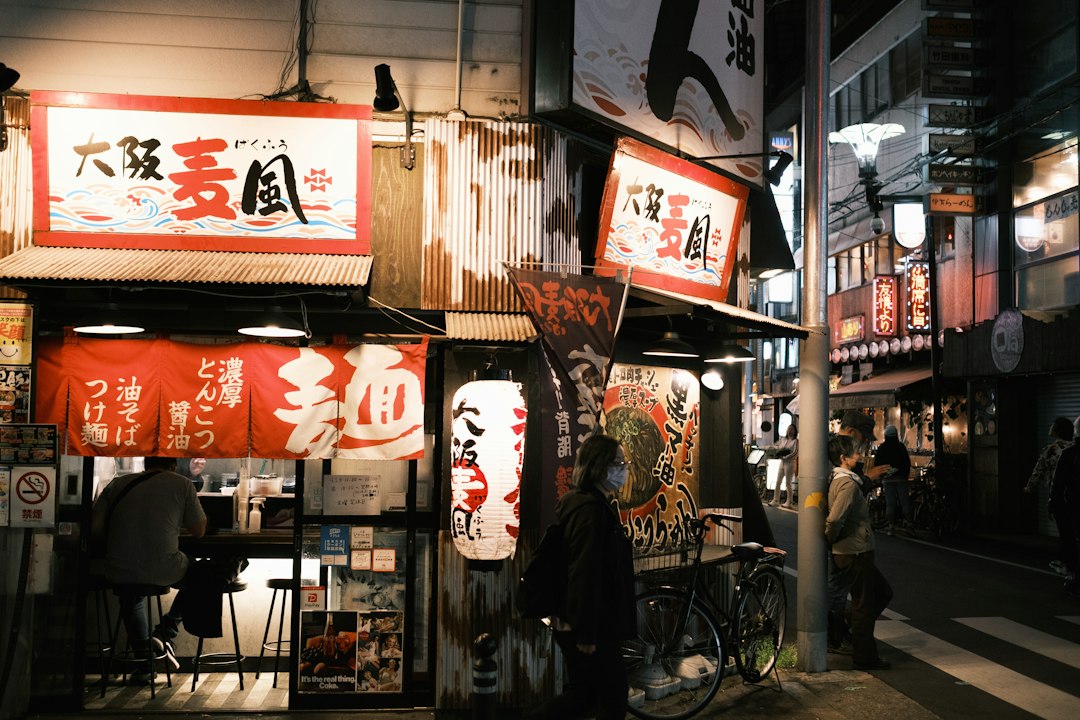
Photo by Daniel Newman on Unsplash