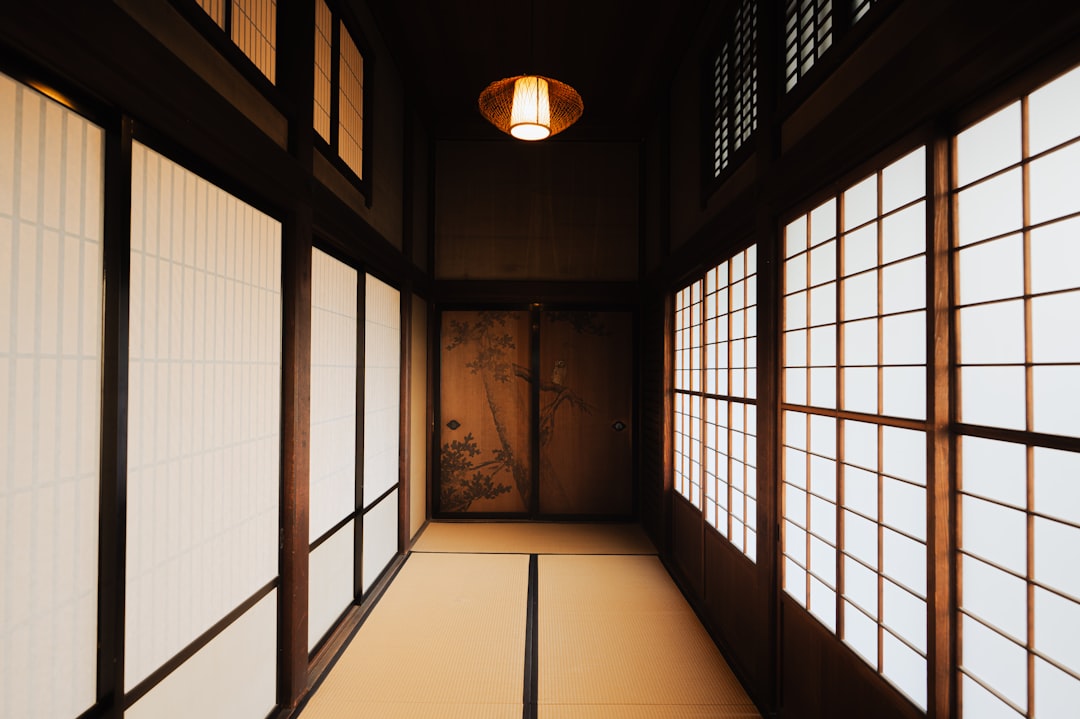

Photo by Ryunosuke Kikuno on Unsplash
What Is a Minshuku, Really?
If you’ve spent any time researching accommodation in Japan, you’ve probably come across three similar-sounding words: ryokan, minshuku, and pension. While ryokan often steal the spotlight with their lacquered corridors and kaiseki dinners, the humble minshuku deserves just as much attention. A minshuku is essentially a family-run guesthouse, typically operating out of a private home or a small building attached to one. Think of it as the Japanese equivalent of a bed-and-breakfast, but with tatami mats, futons, and often a home-cooked dinner thrown in.
Unlike large hotel chains or even mid-sized ryokan, minshuku are usually run by a single family, sometimes spanning generations. The owners are your hosts, your cooks, your local guides, and occasionally your new best friends. Rooms are simple, service is understated, and the entire experience trades polish for authenticity.
Minshuku vs. Ryokan: What’s the Difference?
Many travelers use these terms interchangeably, but there are meaningful distinctions worth knowing before you book.
- Size and scale: Ryokan can range from cozy six-room inns to sprawling resort-like properties with multiple dining halls and spa facilities. Minshuku are almost always small, often with fewer than ten rooms.
- Service style: Ryokan typically offer more elaborate, attentive service, sometimes including a dedicated attendant (nakai-san) for your room. At a minshuku, you might be sharing a bathroom with other guests, and meals are often served in a communal dining area rather than delivered to your room.
- Price point: Minshuku are generally more budget-friendly than ryokan, making them an excellent option for travelers who want an authentic Japanese lodging experience without the premium price tag.
- Atmosphere: Ryokan can feel like a refined retreat; minshuku feel like visiting a relative’s countryside home, complete with slightly mismatched decor and genuine warmth.
What to Expect During Your Stay
The Rooms
Minshuku rooms almost always feature tatami flooring and futon bedding rather than Western-style beds. Your host will typically lay out the futons in the evening and put them away in the morning, though in smaller establishments, guests are sometimes expected to do this themselves. Rooms are simple, often without an en-suite bathroom, meaning you’ll share communal facilities with other guests. Don’t expect luxury amenities like premium toiletries or plush robes; instead, expect cleanliness, functionality, and a lived-in coziness that hotels simply can’t replicate.
The Meals
One of the biggest draws of staying at a minshuku is the food. Many properties offer a two-meal plan (breakfast and dinner included), often called ichi-shoku ni-shoku depending on how many meals you select. Dinners frequently showcase whatever is fresh and local, whether that’s mountain vegetables in a rural village, fresh seafood in a coastal town, or seasonal produce from the family’s own garden. Meals are typically served in a shared dining room, sometimes at a single long table where all guests eat together, creating natural opportunities for conversation.
The Bath
Many minshuku, particularly those in rural or onsen areas, feature a shared bath (ofuro) rather than individual bathrooms. If the property is near a hot spring, you may even get access to a proper onsen experience. Bathing etiquette follows standard Japanese customs: wash and rinse thoroughly before entering the communal tub, which is for soaking only.
Why Choose a Minshuku Over a Hotel?
Authentic Cultural Immersion
Staying at a minshuku offers a level of cultural immersion that’s hard to find elsewhere. You’re not just sleeping in Japan; you’re living briefly as part of a Japanese household’s rhythm. You’ll observe how families interact, how meals are prepared, and how hospitality is expressed through small gestures rather than grand amenities.
Personal Connection
Because minshuku are small and family-operated, the level of personal interaction is dramatically higher than at a hotel. Hosts often go out of their way to share local knowledge, recommend hidden restaurants, or even drive guests to nearby attractions. These personal connections often become the most memorable part of a trip.
Access to Rural and Remote Areas
Minshuku are frequently the only accommodation option in small towns, mountain villages, and remote islands where large hotel chains don’t operate. If your itinerary includes places like rural Shikoku, the Kii Peninsula’s pilgrimage routes, or small fishing villages along the coast, a minshuku might be your only (and best) choice.
Budget-Friendly Pricing
Compared to ryokan, minshuku typically offer significantly lower rates while still including home-cooked meals. This makes them ideal for budget-conscious travelers who still want a traditional Japanese lodging experience rather than a generic hotel room.
Tips for a Smooth Minshuku Stay
- Book in advance, especially in rural areas: Many minshuku have limited rooms and may not appear on major international booking platforms. Local tourism websites or phone reservations are sometimes necessary.
- Learn a few basic Japanese phrases: English is often limited at family-run minshuku, particularly in rural regions. A translation app and a few polite phrases go a long way.
- Confirm meal plans when booking: Decide whether you want breakfast only, dinner only, both, or neither, as pricing varies accordingly.
- Respect house rules: Since you’re essentially a guest in someone’s home, follow any posted rules regarding curfews, bathing schedules, or shared space etiquette.
- Pack light and be flexible: Storage space can be limited, and some minshuku have narrow stairs or traditional sliding doors that require a bit of adjustment.
- Bring cash: Many smaller minshuku don’t accept credit cards, so having Japanese yen on hand is essential.
Where to Find Great Minshuku Experiences
Minshuku can be found throughout Japan, but they truly shine in certain regions. Coastal fishing villages often feature minshuku specializing in incredibly fresh seafood dinners. Mountain regions and pilgrimage routes, such as those found on Shikoku or in the Kumano Kodo area, rely heavily on minshuku to accommodate hikers and pilgrims. Onsen towns, particularly smaller and less touristy ones, often have minshuku that provide access to communal hot spring baths at a fraction of the cost of a ryokan. Even in more urban settings, you can occasionally find charming minshuku tucked away in quiet residential neighborhoods, offering a peaceful alternative to bustling city hotels.
Is a Minshuku Right for You?
A minshuku stay isn’t for everyone. If you prioritize privacy, Western-style beds, and hotel-level amenities, you might find the shared facilities and simple accommodations challenging. However, if you’re seeking genuine cultural connection, home-cooked meals, and a budget-friendly way to experience traditional Japanese hospitality, a minshuku offers something no hotel chain ever could: a real glimpse into everyday Japanese life, filtered through the warmth of a family who has chosen to open their home to travelers.
For travelers exploring rural Japan, hiking pilgrimage trails, or simply seeking a more intimate lodging experience, the minshuku remains one of the country’s most underrated travel treasures. It’s not about luxury; it’s about connection, simplicity, and the kind of hospitality that turns a night’s stay into a lasting memory.