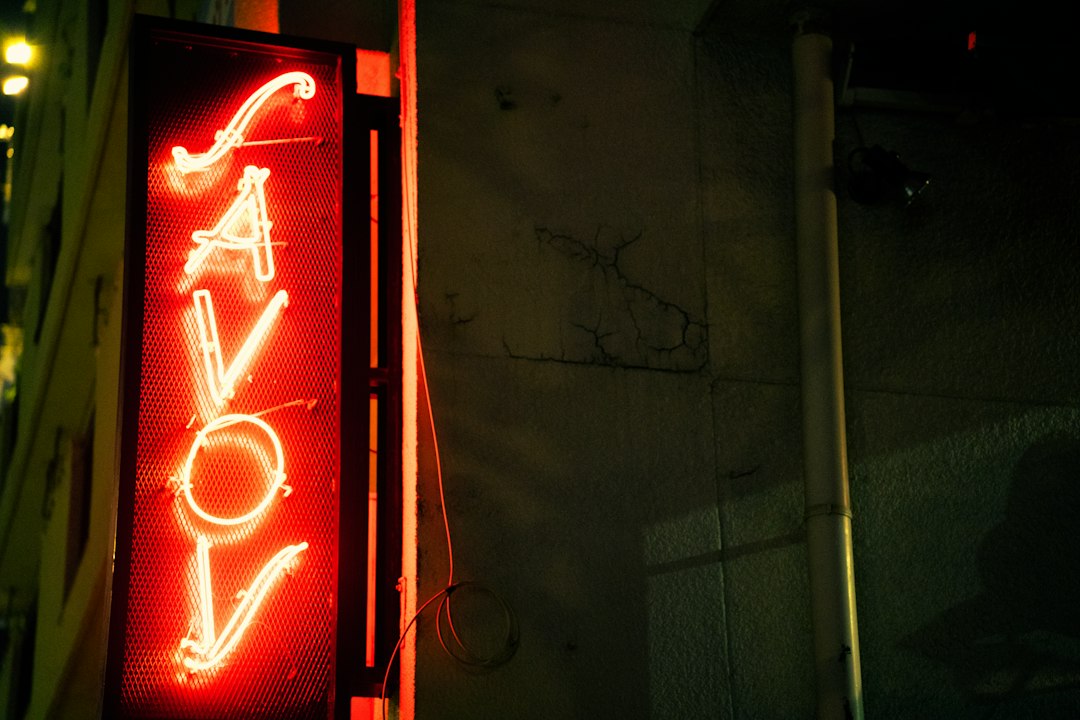
A standard “Rest” (kyukei) block at a Tokyo love hotel runs ¥3,500 to ¥6,500 for roughly 2 to 3 hours on a weekday, while an overnight “Stay” (usually check-in after 10pm, checkout by 11am) runs ¥7,000 to ¥13,000. Those are the two numbers you actually need, and everything below explains why the price on the lobby panel never quite matches what you expected, how the time blocks work, and which neighborhoods give you the best rate for the room quality.
Rest, Stay, and “Last Night” — three different prices for three different clocks
Love hotels in Tokyo don’t bill a flat per-hour rate the way a parking garage does. Instead they sell fixed time blocks. “Rest” (kyukei) is a daytime or early-evening block, typically available from around 11am or 1pm until somewhere between 8pm and 10pm, and it buys you a set window — commonly 90 minutes to 3 hours — not an open-ended hour count. Go over the block and you pay an extension fee, usually ¥1,000 to ¥1,500 per additional 30 minutes, added when you settle up or pay through the room’s cash tray.
“Stay” is the overnight rate, generally bookable from 10pm to midnight, with checkout between 10am and noon. “Last Night” or “Late Stay” is a cheaper overnight option some hotels offer if you check in after midnight or 1am — you get the same room for a shorter overnight window, often ¥1,000 to ¥2,000 less than a full Stay. Hotels in Uguisudani and Ikebukuro tend to advertise this option clearly on the entrance panel; the fancier Shibuya properties around Maruyama-cho often don’t bother because they’re busy enough without discounting.
How the booking actually happens — the panel system
At the entrance you’ll find a backlit panel showing 8 to 20 room photos, each with a price underneath and a button. Rooms with the light off and no price are occupied. You press the button for the room you want, a door buzzes open or a key drops, and you go straight up without passing a front desk or speaking to anyone. Payment happens inside the room — either a cash tray built into the wall near the door, or in newer properties like several of the Hotel Resort-branded buildings near Gotanda, a small reception window with a frosted glass screen so staff can take payment without seeing your face. Most of these places are still cash-only; IC cards like Suica won’t work, and card machines, where they exist, often charge a 5-10% surcharge.
Why weekday afternoon is the cheapest window
Rates shift by time of day and day of week more than most guides admit. A Rest block booked at 2pm on a Tuesday at a mid-range Maruyama-cho hotel might be ¥4,000, while the identical room on Friday or Saturday night can jump to ¥9,000 for Stay once the weekend surge kicks in — most hotels add ¥1,000 to ¥3,000 to both Rest and Stay prices from Friday evening through Sunday, and again around major holiday weekends like Golden Week. If you’re price-sensitive, aim for a weekday Rest between noon and 5pm; that’s when occupancy panels are mostly lit up and prices sit at their base rate.
Where to go: four Tokyo districts with real love hotel density
Shibuya’s Maruyama-cho (also called Dogenzaka 2-chome) is the famous one — walk 8 to 10 minutes uphill from Shibuya Station’s Hachiko exit, past Dogenzaka, and you hit a cluster of 40-plus properties, from themed rooms with karaoke machines to minimalist designer hotels like the ones operating under the P&A and Antique brand names. Rooms here run slightly above the Tokyo average because of the location, so expect ¥5,000-¥7,000 for a weekday Rest.
Uguisudani, one stop north of Ueno on the JR Yamanote or Keihin-Tohoku Line, has the cheapest cluster in the city. Exit the north side of Uguisudani Station and you’re inside the district within 3 minutes; this area has operated as a love hotel zone since the postwar period and rates can start around ¥2,800 for a Rest on an older property. Rooms are smaller and less decorated than Shibuya’s, but the savings are real.
Ikebukuro’s west exit area, a 5-minute walk past the Tokyu Hands building, mixes love hotels with ordinary business hotels on the same blocks, so prices sit mid-range — ¥4,000-¥5,500 for Rest — and the clientele is more mixed (business travelers occasionally book Stay rates here for a cheap overnight rather than a hotel room).
Gotanda and neighboring Osaki, both on the JR Yamanote Line about 15 minutes south of Shibuya, have a quieter, slightly more upscale cluster aimed at couples rather than tourists; several buildings here were renovated in the last decade and charge accordingly, with Rest rates closer to ¥6,000-¥8,000 but noticeably better soundproofing and bathroom fittings.
What’s included and what isn’t
The quoted price covers the room, basic amenities (toothbrushes, razors, a selection of bath products), and usually unlimited soft drinks from an in-room vending fridge. It does not include: late checkout beyond the stated time (charged at the extension rate), premium drinks or snacks from the in-room vending machine (priced individually, ¥200-¥500), or costume/toy rentals that some themed rooms offer as paid add-ons listed on a laminated card by the TV. Towels and air conditioning are always included; karaoke or projector screens in themed suites sometimes carry a flat surcharge of ¥500-¥1,000 added at booking.
Practical points nobody mentions on the panel
Most love hotels require two people to enter — a solo traveler pressing the buzzer alone is sometimes turned away via the intercom, particularly in Shibuya where properties are stricter about this than in Uguisudani. ID is rarely checked at all, which surprises first-timers expecting a front-desk process like a regular hotel. If you overstay a Rest block by more than the grace period (commonly 15-20 minutes), you’ll often be billed for a full additional time block rather than a prorated extension, so set an alarm if you’re trying to keep costs down. Checkout is typically just leaving the key in the room or dropping it in a slot by the door — there’s no need to interact with staff again, which is part of the appeal but also means there’s no one to help if the air conditioning remote doesn’t work at 1am; look for a house phone mounted near the entrance, which connects directly to the front desk even though you never see a human face during your stay.
Photo by ayumi kubo on Unsplash