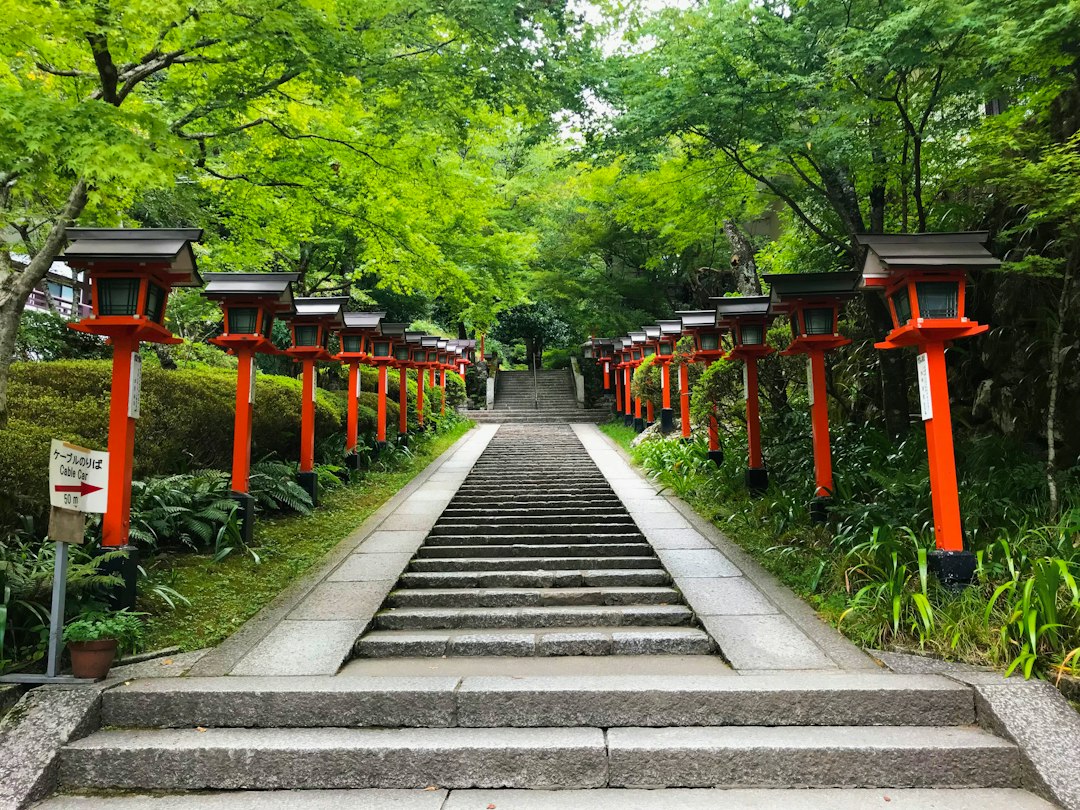
If you’re walking the Philosopher’s Path specifically to find anime spots, start at Nyakuoji Shrine (若王子神社), a small shrine tucked just off the canal near the Nanzen-ji end of the path — it’s the real-world shrine that appears repeatedly in Uchouten Kazoku (The Eccentric Family), the Kyoto-set anime about a family of shapeshifting tanuki. The shrine is unmanned, free to enter, and open all day, so you won’t need to plan around opening hours for this one.
Why This Particular Path Matters to Anime Fans
The Philosopher’s Path (Tetsugaku no Michi) runs about 2 kilometers along the Lake Biwa Canal between Ginkaku-ji in the north and Nanzen-ji in the south. It’s not a path built for anime tourism, which is exactly why it works — P.A. Works and Kyoto Animation-adjacent productions have used this stretch of Kyoto because it looks like real Kyoto, not a set. Uchouten Kazoku uses Nyakuoji Shrine and the nearby Shimogamo Shrine area (a 15-minute taxi or two-bus-transfer away) as actual story locations where the tanuki family gathers. Tamako Market, another Kyoto-set series, borrows the general canal-and-stone-bridge aesthetic of this neighborhood for its opening sequence, even though its main shopping street scenes were filmed around the Demachiyanagi/Masugata shotengai area, about a 20-minute walk west of the path’s southern end.
Getting There: Trains, Buses, and Realistic Timing
There’s no train station directly on the path — this is the single most common mistake first-time visitors make. The nearest station is Keihan Demachiyanagi, and from there it’s roughly a 25-minute walk or a short bus ride to the Ginkaku-ji-mae stop. Faster option from Kyoto Station: take City Bus 100 or 206 to “Ginkakuji-michi” (about 35-40 minutes depending on traffic, ¥230 flat fare with an IC card). Get off there and walk uphill five minutes to reach the Ginkaku-ji entrance, which is also the northern trailhead of the Philosopher’s Path. If you’re coming from the Gion/Higashiyama side, Bus 32 or 203 from Gion stop gets you to the same area in about 15 minutes.
Walking the Path: Ginkaku-ji to Nanzen-ji
Walk south from Ginkaku-ji and the canal path takes 30-40 minutes end to end if you don’t stop, but budget 90 minutes minimum if you’re location-hunting. About ten minutes in, a small side staircase on the right leads up to Honen-in temple — moss-covered, free to enter, open 6:00am to 4:00pm daily, and almost always empty even when the main path is crowded with tour groups. This quiet, mossy courtyard feel is the kind of backdrop Kyoto Animation-style series reference constantly in background art, even without a direct confirmed tie-in.
Otoyo Shrine
A few minutes further south, a narrow lane branches east to Otoyo Shrine, known for its stone mouse and snake guardian statues instead of the usual komainu lion-dogs. It’s a two-minute detour, free, and gives you a genuinely odd photo that most tourists walking the main canal path never see because the entrance sign is easy to miss — look for a torii gate on the right roughly 15 minutes south of Ginkaku-ji.
Nyakuoji Shrine (The Eccentric Family Spot)
Continue another 10-15 minutes and you’ll reach Nyakuoji Shrine right before the path spills out near Nanzen-ji. This is the Uchouten Kazoku location. There’s no gift shop, no anime signage, nothing marketed — it’s a working neighborhood shrine, which is part of the appeal if you’ve seen the show and know what the characters are doing there. Bring your own reference screenshots; comparing the camera angle to the real stone steps is the fun part.
Side Trip: Shimogamo Shrine and Demachiyanagi
For the fuller Uchouten Kazoku and Tamako Market experience, take a bus or 20-minute walk west to Shimogamo Shrine, set inside the Tadasu no Mori forest — free entry, grounds open roughly 6:30am to 5:00pm. From there it’s a 10-minute walk to Demachiyanagi Station and the adjacent Masugata shopping arcade, the real shotengai that inspired Tamako Market’s fictional Usagiyama arcade. There’s a specific mochi shop culture in this arcade — Demachi Futaba (出町ふたば), famous for mame-mochi, usually has a line out the door; a bean mochi runs about ¥200 and they sell out by early afternoon, so go before noon if you want one.
Food Stops Along the Way
Right at the Ginkaku-ji end, Omen (おめん) serves the udon dish the restaurant is named after — a bowl with a tray of vegetables to dip into warm broth runs about ¥1,300-1,800. It’s been there for decades and is the standard pre- or post-walk meal for this area, open roughly 11:00am to 8:00pm (closed some Thursdays). Midway down the path, several small cafes with canal-facing windows serve coffee and light meals in the ¥600-1,200 range; none of them are anime-themed, which honestly makes the walk feel more like being in the show’s world rather than a tourist set piece built around it.
Best Time to Walk It
Early morning, 7:30-9:00am, before tour buses arrive, is when the path most resembles its anime background-art version — quiet canal, occasional cyclist, cherry trees (if visiting in spring) with nobody standing in every frame. Cherry blossom season typically peaks here in early April, and by mid-morning the path becomes genuinely crowded shoulder-to-shoulder near the Ginkaku-ji end. Autumn foliage, usually late November, brings a second crowd peak. If you’re set on quiet photos matching anime screenshots, aim for a weekday morning outside both of those windows, or go right after sunrise during peak season.
One Practical Warning Before You Go
Nyakuoji Shrine and Otoyo Shrine are both active religious sites, not museum exhibits — there’s no barrier stopping you from walking right up to the shrine buildings, but local worshippers do use them, especially Otoyo Shrine on weekend mornings. Keep voices down, don’t block the small approach steps for photos, and skip flash near the shrine buildings in low light. Also note that Ginkaku-ji itself charges admission (¥500) and closes earlier in winter (9:00am-4:30pm, December through February versus 8:30am-5:00pm the rest of the year), so if you’re combining the temple visit with the walk, check the season before you plan your bus timing.
Photo by yoshie yokouchi on Unsplash