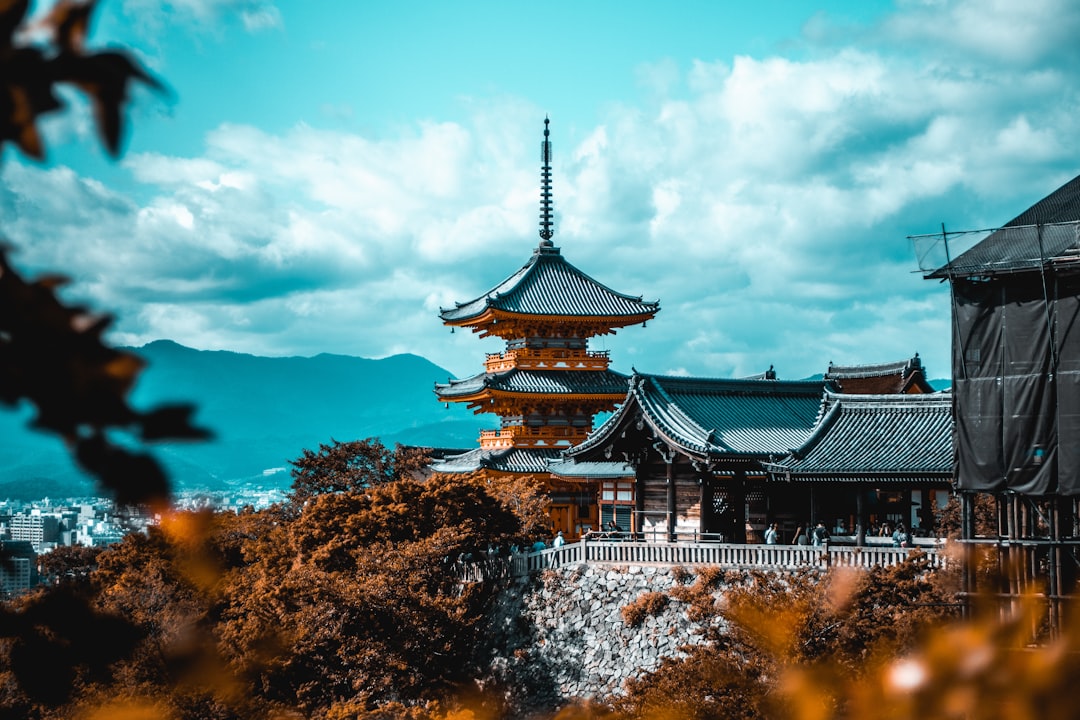
Kyoto is more than just Japan’s ancient capital of shrines and geisha districts — it is also a living backdrop for countless anime scenes, and no location captures this magic quite like Kiyomizu-dera. Perched on a wooden stage overlooking a sea of maple and cherry trees, this centuries-old temple has become an unofficial pilgrimage site for anime fans hunting for the real-world inspiration behind their favorite fictional worlds. This guide walks you through a Kiyomizu-dera anime pilgrimage, the surrounding streets that double as animated backdrops, and practical tips for making the most of your visit.
Why Kiyomizu-dera Captivates Anime Creators
Kiyomizu-dera’s dramatic hillside architecture, sweeping views of Kyoto, and the atmospheric lantern-lit lanes leading up to it make it a natural muse for animators. The temple’s iconic wooden stage, built without a single nail, has appeared in countless anime as a symbol of tradition, longing, and transformation. Studios often use Kyoto’s temple districts as visual shorthand for “old Japan,” blending historical authenticity with the emotional weight that anime storytelling demands. Whether it’s a fleeting establishing shot or a pivotal romantic scene, Kiyomizu-dera’s silhouette against the sky is instantly recognizable to fans worldwide.
Starting Your Pilgrimage: Sannenzaka and Ninenzaka
Any proper anime pilgrimage to Kiyomizu-dera should begin at the base of the hill, along the stone-paved slopes of Sannenzaka and Ninenzaka. These preserved Edo-period streets, lined with wooden machiya houses, teahouses, and souvenir shops, are frequently referenced or lightly fictionalized in slice-of-life and romance anime set in Kyoto. Walking these lanes feels like stepping directly into an animated frame, especially early in the morning before the crowds arrive.
- Arrive at opening time to capture the empty streets often depicted in anime establishing shots
- Look for traditional sweet shops selling yatsuhashi, a common background detail in Kyoto-set anime scenes
- Photograph the pagoda views peeking between rooftops, a favorite composition in animated Kyoto backdrops
Yasaka Pagoda: A Secondary Anime Landmark
Just a short walk from the Sannenzaka approach, the five-story Yasaka Pagoda (Hokan-ji Temple) is another frequently referenced silhouette in anime set in Kyoto. Its narrow surrounding streets, framed by the pagoda’s tiered roof, are a popular spot for both real-life photographers and animators seeking a quintessential “old Kyoto” visual.
The Main Pilgrimage Site: Kiyomizu-dera Temple Grounds
Once you reach the temple gates, take time to explore beyond the famous stage. The vermillion Nio-mon gate, the three-story pagoda, and the sub-temple of Jishu Shrine (dedicated to love and matchmaking) all contribute to the temple’s rich visual identity that anime artists love to reference. Jishu Shrine in particular, with its “love stones” that visitors attempt to walk between with eyes closed, has inspired romantic subplots and comedic moments in numerous Kyoto-set anime and manga.
- Visit the main hall’s wooden stage for the panoramic view often replicated in animated wide shots
- Walk down to Otowa Waterfall, where three streams are said to grant health, love, and academic success — a detail sometimes woven into anime storylines about wishes and destiny
- Explore the temple grounds during different seasons, as autumn foliage and spring cherry blossoms each create distinctly different animated-style scenery
Beyond Kiyomizu-dera: Other Kyoto Anime Hotspots
While Kiyomizu-dera is the crown jewel of a Kyoto anime pilgrimage, the city offers many more locations worth exploring on the same trip.
Gion District
Just north of the Kiyomizu-dera area, Gion’s traditional teahouses and the chance of spotting a geiko or maiko hurrying between appointments have made it a favorite setting for anime exploring themes of tradition versus modernity. The narrow lanes and wooden facades are often stylized in animated adaptations of Kyoto-set stories.
Demachiyanagi and Shopping Arcades
Fans of slice-of-life anime often make a detour to shopping arcades resembling those seen in Kyoto-set comedy and drama series. These covered streets, filled with small family-run shops, capture the cozy, community-driven atmosphere that many anime creators associate with Kyoto life outside the tourist trail.
Kyoto Animation’s Hometown Influence
Kyoto is also home to a renowned animation studio whose works frequently draw on the city’s architecture, seasonal festivals, and school life aesthetics. Fans following an anime pilgrimage often extend their trip to include general Kyoto scenery beyond Kiyomizu-dera, recognizing recurring visual motifs like torii gates, riverside paths, and traditional rooftops that appear throughout Kyoto-inspired anime.
Practical Tips for Your Kiyomizu-dera Anime Pilgrimage
- Best time to visit: Early morning or just before closing offers softer light and fewer crowds, ideal for photography that mirrors anime-style compositions
- Getting there: Take a bus or taxi from Kyoto Station, then walk uphill through Sannenzaka and Ninenzaka for the full pilgrimage experience
- What to bring: Comfortable walking shoes, as the stone-paved slopes can be steep and slippery, especially in rain
- Respect local customs: Kiyomizu-dera remains an active place of worship, so keep noise levels low and follow photography restrictions inside the main hall
- Seasonal considerations: Cherry blossom season and autumn foliage bring dramatic color changes that closely resemble anime seasonal backdrops, though they also bring larger crowds
Anime Pilgrimage Etiquette in Kyoto
As anime tourism grows in popularity, it’s important to travel respectfully. Kiyomizu-dera and its surrounding streets are not theme park attractions but living cultural and religious sites. Avoid trespassing on private property while searching for a specific camera angle, be mindful of other visitors, and support local businesses in the Sannenzaka and Ninenzaka area by purchasing snacks or souvenirs. This kind of thoughtful travel helps preserve these locations for future generations of anime fans and locals alike.
Final Thoughts
A Kiyomizu-dera anime pilgrimage offers something rare: the chance to physically walk through scenery that has inspired countless animated stories, while also experiencing one of Japan’s most historically significant temples. Whether you’re drawn by nostalgia for a favorite series or simply curious about the real Kyoto behind the animation, tracing this route through Sannenzaka, Ninenzaka, Yasaka Pagoda, and Kiyomizu-dera itself rewards visitors with unforgettable views, rich history, and a deeper appreciation for how anime captures the timeless beauty of Japan’s ancient capital.
Photo by Cosmin Georgian on Unsplash